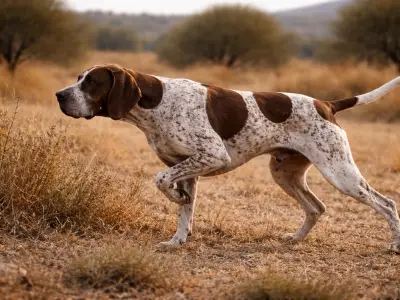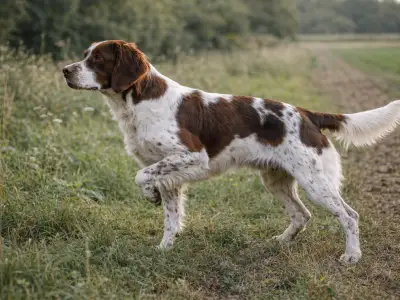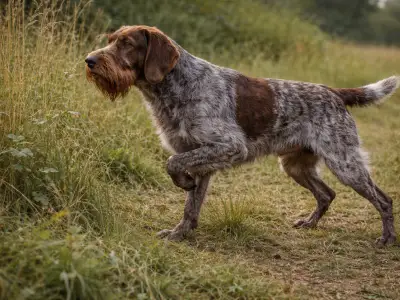
German Wirehaired Pointer
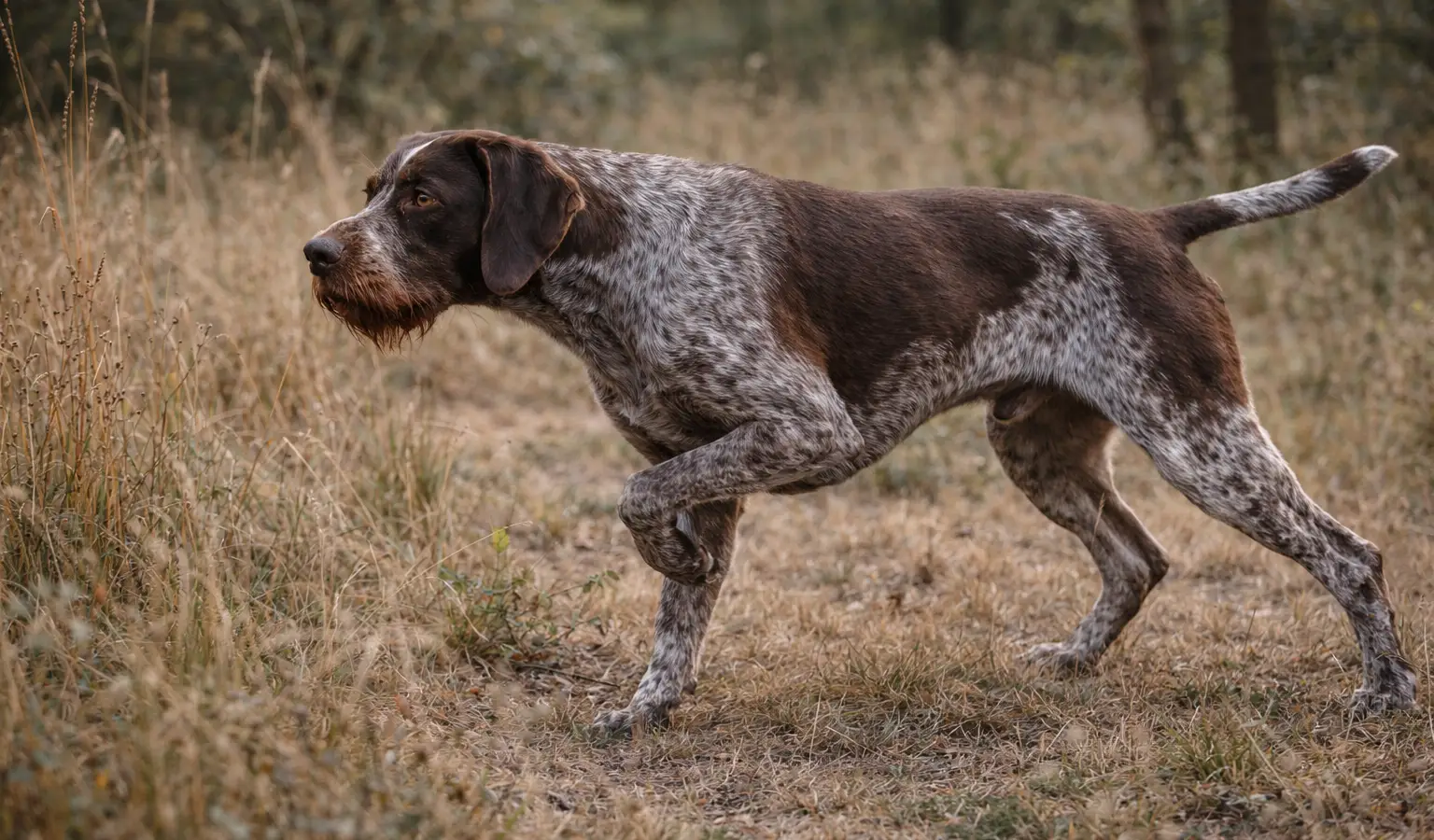
The German Wirehaired Pointer is a highly versatile hunting dog bred to perform pointing, tracking, retrieving and water work. Intelligent, resilient and driven, it requires an active owner, consistent training and daily physical and mental stimulation to thrive.
Life expectancy
12 – 14 years
Price
900 – 1600 €
Monthly budget
75 €
Size
Large
Profile
German Wirehaired Pointer
Origin
Germany
Year of origin
1900
Developed by
German hunting associations
Size
Large
Coat type
Wire coat
Owner profile
Very active / athletic
Hypoallergenic
No
Litter size
8
Life expectancy
12 – 14 years
Price
900 – 1600 €
Female
- Height : 57 – 64 cm
- Weight : 22 – 30 kg
Male
- Height : 60 – 67 cm
- Weight : 27 – 35 kg
Temperament & abilities
Affectionate
4/5
Calm
3/5
Independent
3/5
Intelligence
4/5
Obedience
4/5
Hunting instinct
5/5
Energy level
5/5
Good with children
4/5
Dog-friendly
4/5
Friendly with strangers
3/5
Hunting profile
Stamina
5/5
Hunting drive
5/5
Independence
4/5
Trainability
3/5
Beginner-friendly
2/5
Family compatibility
4/5
Feather game
5/5
Fur game
5/5
Underground work
4/5
Water work
5/5
These indicators help compare breeds and choose the right one for your hunting style.
Game & abilities
Estimated ability level by game type.
Budget
Purchase price
900 – 1600 €
The price may vary depending on the breeder, bloodline, and region.
Average monthly cost
75 €
Estimated average: food, healthcare, accessories, and grooming.
A versatile hunting dog with real grit, strong stamina, and a demanding off-switch.
German Wirehaired Pointer hunting ability and everyday reality
The German Wirehaired Pointer is widely considered a very capable hunting dog, especially for people who want one versatile partner rather than a specialist for a single task. In the field, a good Drahthaar typically offers a strong nose, a purposeful search pattern, firmness on game, solid retrieve instincts, and the courage to work difficult cover or cold water. For hunters asking whether the German Wirehaired Pointer is good for hunting, the short answer is that it often excels when bred and trained for practical, all-round work.
Its hunting style usually combines range, stamina, and determination. Many dogs work with plenty of drive and can cover ground efficiently, yet the best ones still remain handleable enough for cooperative hunting. This breed is often appreciated for pointing upland game, tracking wounded game, and retrieving on land or from water, which helps explain its reputation as a true all-purpose gundog. Dense cover, rough weather, marsh edges, and mixed terrain tend to suit it well, though individual bloodlines may lean more toward field search, tracking, or versatile utility work.
The strengths come with clear demands. German Wirehaired Pointers are energetic, mentally busy dogs that usually need regular work, structured training, and consistent handling. Recall, steadiness, game manners, and impulse control should not be left to chance. This is not usually the easiest pointing breed for a casual owner who wants a low-maintenance pet with occasional hunting weekends. The breed often does best with someone who enjoys training, can channel intensity without constant conflict, and values a dog with initiative rather than a softer, more naturally easygoing temperament.
- Best fit: active hunters wanting a versatile hunting dog for birds, retrieve work, and some tracking across varied terrain.
- Less ideal fit: homes expecting a relaxed companion with minimal exercise and little structured work.
- Handling note: trainability can be very good, but results usually depend on breeding, early education, and clear, fair consistency.
In daily life, the balance between field performance and family living depends heavily on outlet and management. A well-bred, well-trained German Wirehaired Pointer can be affectionate at home and highly functional outdoors, but it is rarely a breed that thrives on a short walk and boredom. For the right owner, the appeal is obvious: toughness, stamina, versatility, and real hunting purpose. For the wrong one, the same temperament can feel intense, restless, and too much dog to manage comfortably.
Versatile game dog
The German Wirehaired Pointer is valued as a true versatile hunting dog. In capable hands, it may point upland birds, track wounded game, retrieve from water, and handle mixed terrain in a single season. That broad usefulness appeals to hunters who want one serious working dog rather than separate specialists for field, marsh, and recovery work.
Strong nose on live and wounded game
A good Drahthaar is often appreciated for practical nose work, not just stylish pointing. Many show solid scenting ability on running birds, rabbits, and blood trails, which can make them especially useful after the shot. Individual performance varies with breeding and training, but the breed’s reputation for tracking and game recovery is a major strength.
Dense cover confidence
This breed was developed to work through thorny cover, rough edges, and uncomfortable weather with more determination than many lighter-framed pointing dogs. That courage is valuable for hunters who regularly face brambles, reeds, and hard-going ground. It can also mean a dog that works with intensity, so steadiness, recall, and clear handling matter from an early stage.
Reliable water retrieves
The harsh coat, protective underlayer, and strong working attitude often support excellent water work. Many German Wirehaired Pointers are willing marsh dogs that retrieve ducks competently, enter cold water with less hesitation than some pointing breeds, and stay useful in wet conditions. For hunters splitting time between upland birds and waterfowl, that dual-purpose value is easy to appreciate.
All-day stamina
This is typically a high-endurance hunting breed built for long outings rather than short bursts. A fit German Wirehaired Pointer can cover ground steadily, recover well, and remain productive through demanding days if conditioning is sensible. That stamina suits active hunters, but it also means daily life usually requires substantial exercise, structure, and regular mental work outside the season.
Trainable, but best with confident handling
Many German Wirehaired Pointers are intelligent and highly teachable, especially when training is consistent, fair, and purposeful. They often respond well to a handler who sets clear standards without constant repetition. This is not always the easiest choice for casual owners, though, because independence and drive can surface if the dog lacks direction, hunting outlets, or steady obedience work.
Who the German Wirehaired Pointer suits best
The German Wirehaired Pointer usually suits an experienced or strongly committed owner who wants a versatile hunting dog rather than a casual weekend companion. This breed often fits hunters who value a hard-working pointing dog that can cover ground, handle varied terrain, and stay engaged through long, active days. In family life, the best match is typically a household that enjoys structured training, regular outdoor time, and a dog with a clear job, whether that is hunting, advanced field work, or demanding scent-based activities.
It is often less suitable for very sedentary homes, first-time owners looking for an easygoing pet, or people who prefer a low-drive dog that is content with short walks. A German Wirehaired Pointer may also be a poor match for handlers who dislike firm consistency, wet weather, mud, shedding, or the daily management that comes with a strong hunting breed. Many do best when their energy, prey drive, and intelligence are channeled carefully rather than simply "exercised out."
- Best match: active hunters, rural or outdoorsy owners, and handlers who enjoy training.
- Possible mismatch: apartment life with limited outlets, inconsistent rules, or homes wanting a very soft, undemanding dog.
- Family fit: often rewarding in capable homes, but usually easiest where activity and structure are part of normal daily life.
How a practical German hunting dog became the versatile Drahthaar known today
Origin and Development of the German Wirehaired Pointer
The German Wirehaired Pointer, often referred to as the Drahthaar, was developed in Germany in the late 19th and early 20th centuries as a serious all-purpose hunting dog. Breeders were not aiming for appearance first. They wanted a robust, weather-resistant pointer that could search, point, track wounded game, retrieve on land and in water, and cope with rough cover and difficult conditions. That original purpose still explains much of the breed’s modern character: energetic, driven, intelligent, and usually most satisfied when it has real work to do.
The breed is generally understood to have been shaped from several continental hunting dogs, with rough-coated pointing and griffon-type dogs often cited among the influences, along with the German Shorthaired Pointer and Pudelpointer. Exact historical weight given to each source can vary depending on the record, but the broader goal is clear. German breeders selected for utility, hardness, nose, cooperation, and a protective wire coat with facial furnishings that offered some defense against thorns, cold water, and harsh terrain. In practical terms, this was a breeding program built around field performance and versatility rather than a narrow single-purpose role.
That history helps explain why many German Wirehaired Pointers today are intense, capable dogs rather than easy, low-maintenance companions. A well-bred, well-trained Drahthaar often combines range, persistence, and strong game sense with a willingness to work closely with its handler, but it may also be more demanding than a casual pet owner expects. Mental stimulation, structured training, and regular physical exercise are usually important. Many individuals mature into loyal family dogs, yet they are often best suited to active homes, experienced owners, or hunters who appreciate a dog with initiative rather than a soft, purely ornamental temperament.
For hunters, the breed’s development remains especially relevant. The German Wirehaired Pointer was created to be useful across seasons and game types, which is why it is still valued for jobs such as:
- searching and pointing upland birds
- retrieving waterfowl in cold or rough conditions
- tracking wounded game
- working in dense cover where coat protection matters
In daily life, this background means the breed often thrives with purpose, routine, and clear handling. People drawn to the German Wirehaired Pointer because of its rugged look should also understand the working heritage behind that coat. The same selection that produced endurance and versatility may also bring independence, high prey drive, and a need for consistent training. For the right owner, that heritage is exactly the appeal; for the wrong home, it can feel like far more dog than expected.
Built in Germany
The German Wirehaired Pointer, often linked to the Drahthaar name, was developed in Germany as a practical all-purpose gundog. Breeders aimed for a hard-working dog that could point game, track wounded animals, retrieve on land and in water, and cope with rough weather. That functional origin still shapes the breed’s look, coat, and serious working attitude.
Selected for utility
This breed was not shaped mainly for appearance. Selection traditionally emphasized hunting ability, stamina, nose, toughness, and usefulness across different terrain. In good working lines, that often translates into a dog with strong drive, persistence, and a clear desire to stay engaged with a task, which can be a major asset for active hunters but demanding in a purely pet home.
Serious, not soft
The German Wirehaired Pointer is usually intelligent, loyal, and highly trainable, but it is not always an easygoing beginner dog. Many individuals have a firm temperament, high energy, and a real need for structure. Consistent handling, early socialization, and fair training matter a great deal, especially in homes that want a steady family companion as well as a hunting dog.
A wide-ranging worker
In the field, the breed is known for versatility more than specialization alone. A German Wirehaired Pointer may work upland birds, search methodically, retrieve game, and show confidence around water and cover. Style and range can vary by line and training, but the breed’s reputation rests on being an adaptable hunting partner rather than a narrow single-purpose pointing dog.
Needs space and purpose
Daily life with a Drahthaar is easiest when the dog has room to move and a real outlet for its brain and body. Long walks are rarely enough on their own. Regular training, scent work, retrieving drills, and hunting-related activity often make a big difference. This breed generally suits active owners better than quiet households looking for a low-maintenance companion.
Rugged coat, regular upkeep
The harsh, protective coat was meant to help the dog work in cold, wet, and thorny conditions. It is practical, but not maintenance-free. Coat care is usually moderate rather than extreme, with routine brushing and some hand-stripping often helping keep texture and function. After field work, owners also need to check ears, feet, beard, and coat for burrs, mud, and debris.
Practical answers about hunting ability, training, exercise, home life, and owner fit
German Wirehaired Pointer Hunting FAQ
Is the German Wirehaired Pointer a good hunting dog for beginners?
The German Wirehaired Pointer can work well for a motivated beginner, but it is usually not the easiest first hunting breed. It is versatile, driven, intelligent, and often capable in upland work, tracking, and water retrieves, which makes it appealing to hunters who want one dog for several jobs. The challenge is that many individuals are strong-willed, energetic, and quick to notice inconsistent handling, so early structure matters. A beginner who trains regularly, joins a good hunting dog club, and works with proven lines may do very well. A casual owner who expects the dog to self-train will often find the breed demanding.
What kind of hunting is the German Wirehaired Pointer best suited for?
This breed is generally valued as an all-around hunting dog rather than a narrow specialist. Many German Wirehaired Pointers are used for upland birds, waterfowl retrieves, and blood tracking, and some lines are selected with strong fur and feather versatility in mind. Their weather-resistant coat and determined working style can make them especially appealing for rough cover, cold conditions, and mixed hunting seasons. That said, style, range, nose, and game preference can vary by breeding and training. If you mainly hunt one type of game, it is wise to look at the parents and ask how the line performs in that exact work.
Are German Wirehaired Pointers easy to train off leash and around game?
They are often very trainable, but easy is not the word most handlers would use. A well-bred German Wirehaired Pointer usually has the intelligence and cooperation needed for off-leash hunting, yet it also tends to have enough prey drive and determination to test weak boundaries. Reliable recall, steadiness, and obedience around birds or fur usually come from systematic training rather than a naturally soft temperament. Clear rules, repetition, and fair correction matter more than constant intensity. Many owners get the best results when they channel the dog's drive into regular field work instead of trying to suppress it at home.
Can a German Wirehaired Pointer be a good family dog as well as a hunting dog?
Yes, many of them can live successfully as both hunting companions and family dogs, provided their daily needs are taken seriously. In the home, they are often loyal, engaged, and close to their people, but they are rarely low-maintenance pets. A dog that hunts on weekends usually still needs structured exercise, mental work, and consistent expectations during the rest of the week. Some individuals are more assertive or protective than the average pointing breed, so socialization and household manners should start early. Families who enjoy training and outdoor activity often find the breed rewarding, while sedentary homes may struggle.
How much exercise does a German Wirehaired Pointer really need when it is not hunting?
Most adult German Wirehaired Pointers need more than a walk around the block to stay balanced. In practical terms, many do best with a combination of vigorous physical exercise, training sessions, scent work, retrieves, and chances to use their brain several days each week. Free running in a safe area, field drills, and structured games are often more satisfying than repetitive leash walks alone. Young dogs in particular can become noisy, restless, or destructive if their energy has no outlet. The exact amount varies, but this is usually a breed for active people, not owners looking for a relaxed companion with modest needs.
Can a German Wirehaired Pointer live in an apartment or small home?
It can happen, but it is usually easier in a home where the dog has regular access to outdoor activity and a predictable working routine. Space inside matters less than whether the owner can provide enough exercise, training, and calm structure every day. A German Wirehaired Pointer that is physically tired and mentally settled can be quite manageable indoors, but one that is underworked may pace, vocalize, or invent its own entertainment. Apartment living also requires strong leash manners and reliable impulse control because the breed can be intense and highly aware of movement. For many households, a small home is realistic only if the lifestyle is very active.
Who is the German Wirehaired Pointer best suited for, and who should probably choose another breed?
This breed tends to suit hunters, serious trainers, and highly active owners who want a tough, versatile dog with real working ability. It often fits people who enjoy regular training, clear structure, outdoor life, and a dog with character rather than a purely easygoing pet temperament. It may be a poor match for first-time owners who are unsure about leadership, for people with very limited time, or for households wanting a naturally low-drive dog that is simple with every visitor and every animal. As with any working breed, lines differ, but the safest approach is to choose a breeder whose dogs match your actual lifestyle, not your ideal one.