Brittany Spaniel
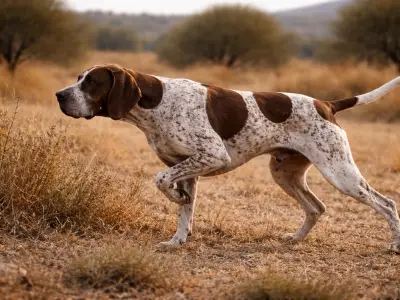
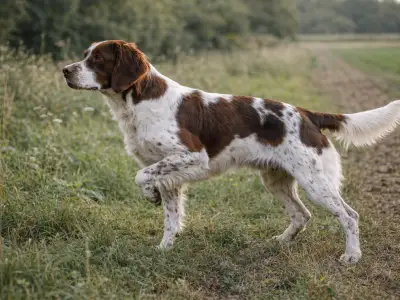
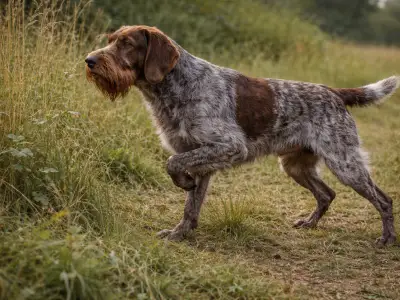
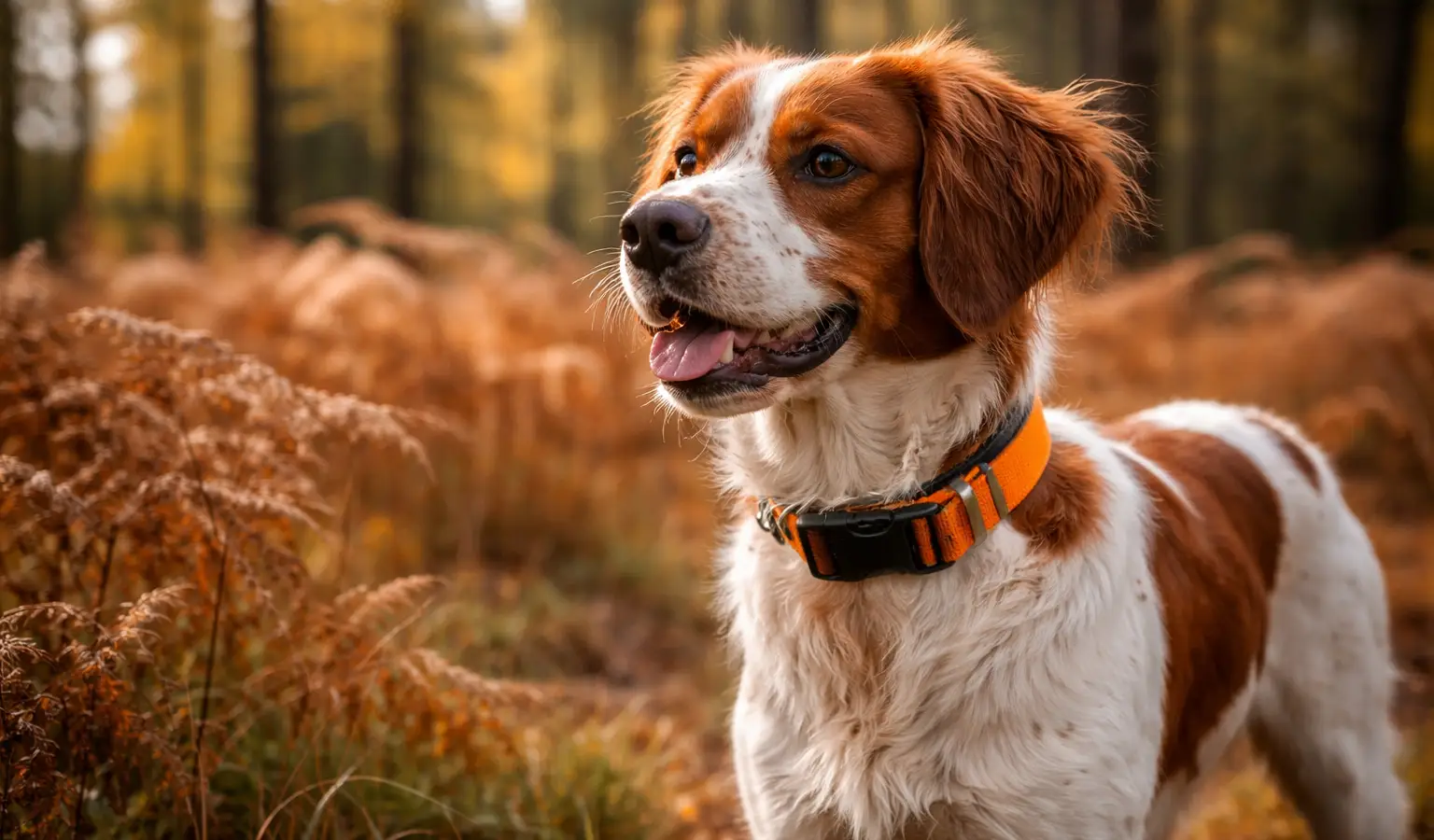
The Brittany Spaniel is a medium-sized French pointing dog known for its energy, intelligence and excellent nose. Fast and versatile in the field, it excels at bird hunting. Affectionate, sociable and people-oriented, it adapts well to family life when given daily exercise, outdoor activities and consistent training.
Life expectancy
12 – 15 years
Price
700 – 1300 €
Monthly budget
60 €
Size
Medium
Profile
Brittany Spaniel
Origin
France
Year of origin
1800
Developed by
Breton hunters
Size
Medium
Coat type
Medium-length coat
Owner profile
Active owner
Hypoallergenic
No
Litter size
6
Life expectancy
12 – 15 years
Price
700 – 1300 €
Female
- Height : 46 – 49 cm
- Weight : 13 – 16 kg
Male
- Height : 47 – 51 cm
- Weight : 14 – 18 kg
Temperament & abilities
Affectionate
5/5
Calm
3/5
Independent
2/5
Intelligence
5/5
Obedience
4/5
Hunting instinct
5/5
Energy level
4/5
Good with children
5/5
Dog-friendly
5/5
Friendly with strangers
5/5
Hunting profile
Stamina
4/5
Hunting drive
4/5
Independence
3/5
Trainability
5/5
Beginner-friendly
5/5
Family compatibility
5/5
Feather game
5/5
Fur game
3/5
Underground work
0/5
Water work
3/5
These indicators help compare breeds and choose the right one for your hunting style.
Game & abilities
Estimated ability level by game type.
Budget
Purchase price
700 – 1300 €
The price may vary depending on the breeder, bloodline, and region.
Average monthly cost
60 €
Estimated average: food, healthcare, accessories, and grooming.
A versatile pointing dog with range, nose, and family-friendly potential
Is the Brittany Spaniel a good hunting dog?
The Brittany Spaniel is widely considered a very good hunting dog, especially for hunters who want a lively, versatile pointing breed with a practical size and close human connection. In the field, many Brittanys combine a quick, animated search pattern, a useful nose, natural bird interest, and solid stamina for a full day out. They are often most coherent for upland bird hunting, mixed small-game work, and active handlers who want a dog that can hunt seriously without being oversized or difficult to live with at home.
Its working style usually suits hunters who appreciate initiative but still want manageable handling. A Brittany often hunts with speed and enthusiasm, covering ground efficiently without the wide, extreme range seen in some larger continental pointing breeds. Many show good responsiveness to whistle, voice, and body language, which helps with recall and turning in the field. That said, bloodline matters: some Brittany Spaniels are bred with stronger field drive and more intensity, while others are milder and easier for dual-purpose family life.
Trainability is one of the breed's major strengths, but this is not a low-maintenance hunting dog. A Brittany generally needs regular exposure to birds, structured obedience, and enough physical and mental work to channel its energy well. If under-exercised, its enthusiasm can turn into restlessness, scattered focus, or overexcitement. Retrieve ability is often present, but it should not be assumed to be polished without training. Consistent recall, steadiness, and cooperative handling usually make the biggest difference between a pleasant hunting companion and a hectic one.
- Best use cases: upland birds, walking hunters, mixed hunting days, active owners wanting one dog for field and home.
- Main strengths: nose, stamina, biddability, practical size, lively search, strong human connection.
- Main limits: high energy, needs training and outlets, not always ideal for people wanting a very calm pet or a highly specialized long-range field dog.
For everyday life, the Brittany Spaniel can be an appealing balance between field performance and family companionship, but only in the right home. It tends to fit best with people who enjoy training, outdoor activity, and a dog that stays engaged with its handler. For a hunter comparing breeds, the Brittany often makes sense when versatility, trainability, and manageable size matter more than sheer power or extreme range.
Fast, efficient nose
The Brittany Spaniel is widely valued for finding game quickly without wasting ground. Many work with an active, intelligent nose that adapts well to changing scent conditions, whether birds are running, holding tight, or lifting early. For hunters who cover mixed terrain, that efficient scenting ability is one of the breed’s most practical advantages.
Natural quartering pattern
A good Brittany often hunts in a tidy, forward pattern that is easy to follow on foot. That makes the breed especially appealing to hunters who want a pointing dog that stays productively in range rather than disappearing over the horizon. The exact range varies by line and training, but many Brittanys are notably manageable in the field.
Energetic all-day worker
Despite its moderate size, the Brittany usually brings serious drive and stamina. Many can handle long hunting days with repeated bursts of speed, especially during upland work. This is not a low-energy gundog: the same endurance that helps in the field also means the breed generally needs regular exercise, training, and purposeful activity at home.
Responsive to handling
One of the Brittany’s strongest hunting traits is how often it combines enthusiasm with cooperation. Many individuals take direction well, recall readily, and remain tuned in to the handler, which can make them easier to develop than harder-headed pointing breeds. That responsiveness is especially useful for hunters who want a stylish field dog without overly complicated handling.
Versatile on mixed days
The Brittany is often chosen by people who want one dog for varied shooting situations rather than a narrow specialist. Depending on breeding and education, many can point, flush pressured birds at close range, and recover downed game reliably. That flexibility suits hunters moving between hedgerows, open fields, woodland edges, and lighter rough cover in a single outing.
Useful game recovery
While best known as a pointing breed, the Brittany can also be a very helpful retriever of shot birds. Many show a willing mouth, good marking, and the drive to hunt out crippled game in awkward cover. As always, retrieving quality depends on the individual dog and training, but strong recovery work is a real asset in well-bred Brittanys.
Who the Brittany Spaniel suits best
The Brittany Spaniel is usually at its best with an owner who wants a close-working, energetic gundog and is ready to live with that energy every day. It often suits walked-up hunters, mixed-shoot days, and people who enjoy training as much as hunting. In family life, it tends to fit active households that like long outings, regular off-lead work where safe, and a dog that wants to be involved rather than left in the background. Many Brittanys respond well to fair, consistent handling and can be very rewarding for owners who enjoy building a partnership.
Less suitable profiles include very sedentary homes, owners wanting a low-maintenance pet, or hunters looking for a heavy, slower-paced pointing dog that ranges with more independence. A Brittany can become noisy, restless, or hard to live with if exercise, recall training, and mental work are too limited. It may suit first-time gundog owners if they are committed and well guided, but it is generally a better match for people who genuinely want an active dog in both season and everyday life.
How a compact French bird dog became known for drive, range, and easy daily companionship
Origins and development of the Brittany Spaniel
The Brittany Spaniel, or Épagneul Breton, developed in the Brittany region of northwestern France, where hunters wanted a practical dog for mixed terrain, varied game, and long days on foot. Most breed historians agree that local spaniel-type dogs were shaped over time by crosses with pointing dogs, likely including British setters brought across the Channel, though the exact mix is not perfectly documented. What matters for today’s owner is the result: a dog that combines the bird sense and point of a continental gundog with the compact build, quick reactions, and close human focus that suit active hunters and busy family life.
Its development was strongly influenced by real field use rather than purely by appearance. French hunters valued a dog that could find game efficiently, point with intensity, and work at a pace that covered ground without becoming impossible to handle. That history helps explain the modern Brittany’s style: energetic, eager, often fast in the field, but usually more cooperative and people-oriented than some harder, more independent pointing breeds. In many lines, the breed shows a natural desire to hunt and a willingness to check back with the handler, which can make it appealing for hunters who want initiative without losing connection.
The Brittany’s relatively moderate size is also part of its working history. It was bred to be portable, athletic, and adaptable rather than heavy or overly specialized. That usually translates into a dog that fits well in a home, travels easily, and can switch from hunting trips to everyday companionship more smoothly than some larger field dogs. At the same time, its background is unmistakably that of an active gun dog. Many Brittanys need regular exercise, structured training, and meaningful outlets for their nose and drive; without that, their enthusiasm can spill into restlessness or overexcitement.
For modern buyers, the breed’s history offers a useful clue about suitability. The Brittany Spaniel often suits hunters who walk a lot, want a versatile bird dog, and appreciate a responsive dog with natural animation. It can also suit active households that enjoy training and outdoor life. It may be less ideal for owners seeking a low-energy pet or a dog that thrives with minimal engagement. As with any working breed, present-day temperament depends on breeding, early socialization, and training, but the Brittany’s origins still clearly shape its reputation: lively, biddable, athletic, and closely tied to human partnership.
French hunting roots
The Brittany Spaniel, or Épagneul breton, developed in northwestern France, especially in Brittany, where hunters valued a compact, practical dog able to work varied ground. Early breeding appears to have favored dogs that could point, move efficiently, and stay manageable on foot hunts, which still helps explain the breed’s handy size and adaptable field style today.
Bred for versatility
This is not simply a pretty gundog. The breed was shaped as a useful pointing dog for hunters who wanted one dog to cover ground, locate game birds, and remain responsive at reasonable distance. Depending on bloodline and training, many Brittanys are appreciated for combining speed, nose, and willingness without the heavier handling demands of some larger pointing breeds.
Eager, soft, and busy
A Brittany Spaniel is often described as cheerful, sensitive, and very people-oriented. That combination can make training rewarding, but it also means harsh handling may backfire. Many individuals learn quickly and genuinely enjoy cooperation, yet they are rarely low-effort dogs. Without regular exercise, training, and interaction, their enthusiasm can spill over into restlessness or impulsive behavior.
Fast but usually connected
In the field, the Brittany is known for an active, animated way of hunting, often with a quick pattern and visible drive on game. A good one tends to check in naturally and work with the handler rather than for itself alone. That makes the breed attractive to hunters who want energy and bird sense, but still value cooperation and practical control.
Best for active homes
Daily life with a Brittany Spaniel usually suits owners who like movement, routine, and outdoor time. This breed can adapt to different homes if exercise and mental work are genuinely provided, but it is seldom ideal for a sedentary household. Long walks, recall practice, scent games, and structured off-lead work often matter more than simply having a large yard.
Simple care, real daily needs
Coat care is generally straightforward, with regular brushing helping manage feathering and debris after country outings. The bigger commitment is not grooming but lifestyle. Most Brittanys do best with consistent training, recovery time after exercise, and meaningful jobs to do. For the right owner or bird hunter, that balance of manageable care and high engagement is a major part of the breed’s appeal.
Practical answers for hunters, active families, and first-time owners considering the Brittany
Brittany Spaniel hunting and daily life FAQ
Is the Brittany Spaniel a good hunting dog for beginners?
The Brittany Spaniel can be an excellent hunting dog for a beginner, especially for someone interested in upland bird hunting and willing to train consistently. The breed is generally known for a strong nose, natural searching drive, and an eager-to-please attitude, which can make early field progress rewarding. That said, a young Brittany often comes with a lot of speed and enthusiasm, so first-time handlers usually do best if they value structure, recall work, and regular exposure to game and terrain. For a beginner who wants a versatile, biddable pointing dog rather than a very hard-driving specialist, the breed is often a realistic choice.
How much exercise does a Brittany Spaniel really need if it is not hunting every week?
A Brittany usually needs more than a quick walk around the block, even in a non-hunting home. Many individuals do best with a mix of daily aerobic exercise, off-lead running in a safe area, training games, scent work, and chances to use their brain as well as their legs. If those needs are not met, some dogs may become restless, noisy, or overly busy indoors. For many owners, the sweet spot is an active routine built around long walks, structured play, and regular training sessions rather than assuming the dog will simply settle on its own.
Can a Brittany Spaniel live happily as a family dog as well as a hunting dog?
In many homes, yes. The Brittany is often appreciated because it can be affectionate, lively, and closely bonded to its people while still retaining serious field ability. The key is balance: a hunting Brittany that also gets clear house rules, enough exercise, and calm downtime usually adapts better to family life than one expected to switch off with no outlet. Families should still remember that this is an active pointing breed, so daily life is usually easier when the household enjoys training, outdoor time, and a dog that wants to be involved in everything.
Are Brittany Spaniels easy to train off leash and for recall?
Brittanys are often considered trainable and responsive, but off-leash reliability should not be taken for granted just because the breed is people-oriented. Their hunting instincts, interest in birds, and natural range can pull them away from a handler if recall has not been built carefully from puppyhood. Most do best with frequent short sessions, clear cues, field exposure, and reinforcement that makes checking in worthwhile. In the right hands, many become enjoyable off-leash companions, but success depends a lot on consistency, genetics, and how early the dog learns that freedom is linked to cooperation.
Is a Brittany Spaniel a good choice for apartment living?
A Brittany can live in an apartment, but only if the owner is genuinely committed to meeting the breed's physical and mental needs every day. The main issue is usually not square footage inside the home but whether the dog gets enough purposeful activity outside it. A Brittany that has regular exercise, training, and calm routines may settle surprisingly well indoors, while an under-stimulated one can be difficult in close quarters. For most people, this breed is easier in a home with direct access to outdoor space, but dedicated apartment owners can succeed if they are very active and consistent.
What kind of owner is the Brittany Spaniel best suited to?
The Brittany tends to suit owners who want an active, engaged dog rather than a low-maintenance companion. It is often a strong fit for bird hunters, hikers, runners, and families who enjoy training and spending time outdoors, especially if they like a dog that works closely with people. The breed may be less suitable for very sedentary households, owners away for long hours, or people who prefer a naturally calm dog with minimal daily demands. In practical terms, the best match is someone who enjoys channeling energy, rewarding cooperation, and living with a dog that is both athletic and emotionally present.
How does the Brittany Spaniel compare with other pointing dogs for versatility and daily handling?
Compared with some larger or more intense pointing breeds, the Brittany is often seen as compact, handy, and relatively easy to live with, while still being a serious bird dog. Many hunters appreciate that it can cover ground, point naturally, and transition into family life without feeling as heavy or as demanding to manage physically. Individual lines vary, though, and some Brittanys are calmer and closer-working than others. For owners wanting a versatile hunting companion that can also be manageable in day-to-day life, the breed often sits in a very attractive middle ground.