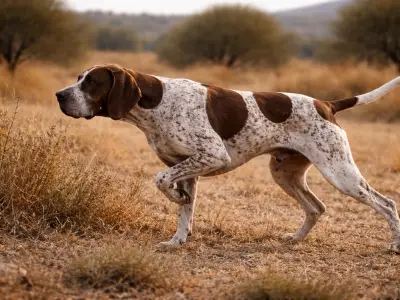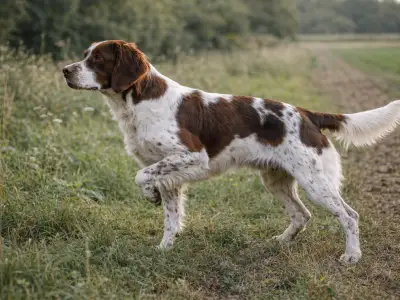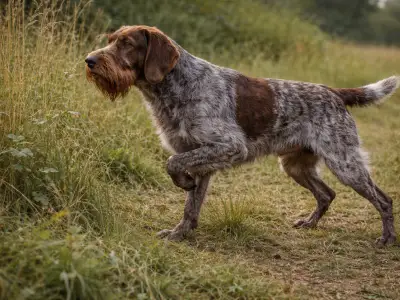
Auvergne Pointer
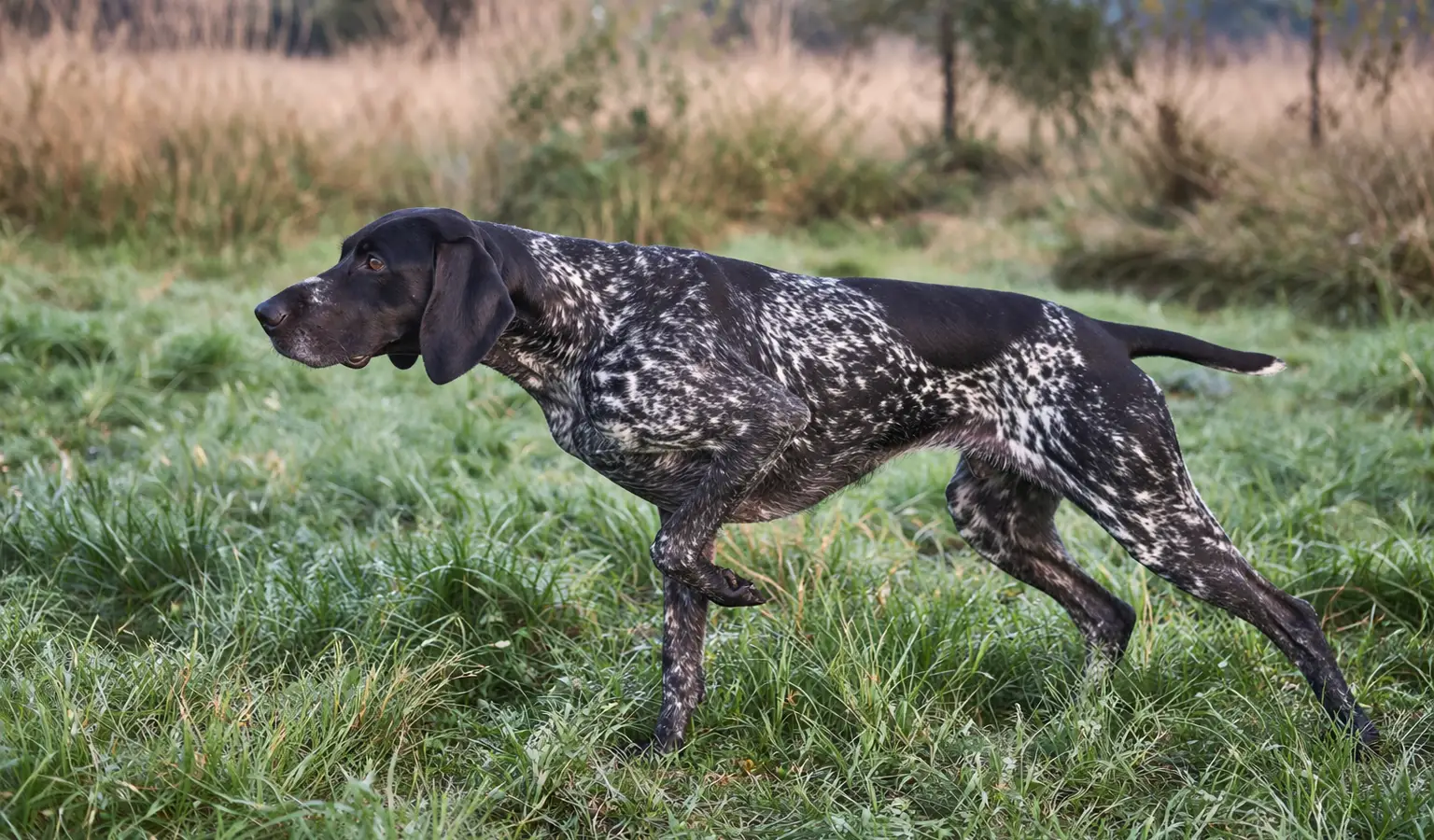
The Auvergne Pointer is a French pointing dog known for its black and white coat, excellent nose and strong endurance. Calm, affectionate and cooperative, it performs well in the field and adapts nicely to family life when given enough physical activity.
Life expectancy
12 – 15 years
Price
700 – 1300 €
Monthly budget
60 €
Size
Medium
Profile
Auvergne Pointer
Origin
France
Year of origin
1700
Developed by
Auvergne hunters
Size
Medium
Coat type
Short coat
Owner profile
Active owner
Hypoallergenic
No
Litter size
6
Life expectancy
12 – 15 years
Price
700 – 1300 €
Female
- Height : 52 – 58 cm
- Weight : 20 – 25 kg
Male
- Height : 55 – 61 cm
- Weight : 22 – 28 kg
Temperament & abilities
Affectionate
4/5
Calm
3/5
Independent
3/5
Intelligence
4/5
Obedience
4/5
Hunting instinct
5/5
Energy level
4/5
Good with children
4/5
Dog-friendly
4/5
Friendly with strangers
4/5
Hunting profile
Stamina
4/5
Hunting drive
4/5
Independence
3/5
Trainability
4/5
Beginner-friendly
4/5
Family compatibility
5/5
Feather game
5/5
Fur game
2/5
Underground work
0/5
Water work
3/5
These indicators help compare breeds and choose the right one for your hunting style.
Game & abilities
Estimated ability level by game type.
Budget
Purchase price
700 – 1300 €
The price may vary depending on the breeder, bloodline, and region.
Average monthly cost
60 €
Estimated average: food, healthcare, accessories, and grooming.
A balanced pointing dog with a serious nose, cooperative handling, and enough drive for active homes
Is the Auvergne Pointer a good hunting dog?
The Auvergne Pointer is generally considered a very capable hunting dog, especially for hunters who want a versatile pointing breed with a close partnership in the field. It is typically valued for its nose, steady pointing instinct, and cooperative temperament rather than extreme speed or all-out range. For the right owner, the Braque d'Auvergne can be an effective gun dog for upland work and mixed hunting days, while still being manageable enough to live with as a family companion.
In practical hunting terms, the breed often works in a thoughtful, methodical pattern and tends to stay more connected to the handler than some harder-driving continental pointers. That can be a real advantage for hunters who prefer a dog that checks in naturally, handles well, and is easier to keep within gun range. Many examples show good stamina and honest game-finding ability, but performance can vary with breeding, conditioning, and training. It is often best suited to hunters who appreciate control, nose, and cooperation over maximum range in big open country.
The Auvergne Pointer usually responds well to calm, consistent training. Harsh handling is rarely the best route with a sensitive, people-oriented dog like this. Recall, steadiness, and retrieve work often come along well when the dog is given structure early and enough field exposure, but this is not a low-effort breed. It needs regular exercise, meaningful training, and opportunities to use its brain and nose. Without that outlet, its energy level can become difficult in everyday life, even if the breed is often gentler in the home than many people expect from a working gun dog.
Its most coherent use cases are for hunters wanting a versatile pointing dog for upland birds, varied terrain, and a more collaborative working style. It may also suit active owners who split time between fieldwork and family life, provided they are realistic about daily exercise and training demands.
- Strengths: good nose, cooperative handling, natural point, pleasant home temperament, useful trainability
- Limitations: may be less suited to people wanting extreme range, very hard-driving field trial style, or a dog content with minimal work
- Best fit: hunters who want a balanced Auvergne Pointer hunting dog that can work seriously outdoors and settle reasonably well at home
Cold nose in difficult scenting
The Auvergne Pointer is widely appreciated for its ability to work old or light scent, especially when conditions are cool, damp, or otherwise challenging. For hunters pursuing upland birds over varied ground, that can translate into more productive searches and fewer missed opportunities when game is not holding strongly.
Steady, readable point
One of its most useful field qualities is a clear, stylish point that tends to be easy for the handler to read. That steadiness matters in practical hunting, because it gives the shooter time to approach, assess cover, and prepare for a controlled flush rather than rushing the situation.
Endurance for full hunting days
This is a durable pointing dog that often suits hunters who like to stay out for long sessions. It usually combines athletic movement with an economical gait, helping it cover ground without looking frantic. In daily life, that same stamina means it generally needs real exercise and purposeful activity, not just a short walk.
Close-working cooperation
The Braque d'Auvergne is often valued by handlers who prefer a cooperative dog that hunts with them rather than independently at great distance. That natural connection can make it easier to handle on foot, especially in mixed cover or smaller territories, though training and bloodline still influence range and responsiveness.
Useful versatility on birds
Best known as a pointing breed, the Auvergne Pointer can also be a practical all-round bird dog in the right hands. Many individuals are capable of searching, establishing point, and making a willing retrieve, which appeals to hunters who want one dog for varied shooting days rather than a highly specialized field setup.
Trainable, sensible field temperament
Its hunting value is not only about instinct but also about how workable the dog tends to be. Many Auvergne Pointers respond well to calm, consistent training and benefit from regular contact with their handler. That combination often suits hunters who want a biddable gun dog with drive, but not excessive hardness or chaos.
Who the Auvergne Pointer suits best
The Auvergne Pointer tends to suit the person who wants a genuine hunting companion first and a calm, close household dog second. It often fits walked-up hunters and active country owners who value a cooperative pointing dog with a soft, people-oriented nature. Many do best with regular field outlets, patient training, and plenty of contact with their family rather than a kennel-only routine. In day-to-day life, the breed usually suits homes that enjoy long outings, structured exercise, and a dog that wants to be involved.
Less suitable profiles include owners looking for a low-maintenance pet, very occasional hunters, or households where the dog will be left alone for long stretches with little mental work. A Braque d'Auvergne may also be a mismatch for handlers who prefer a very hard, highly independent gundog or for urban homes that cannot provide steady off-lead exercise and training. For the right owner, it can be a rewarding, affectionate pointing breed; for the wrong setup, boredom, frustration, and underused hunting instincts can become everyday problems.
A French pointing dog shaped by volcanic country, practical hunting, and close partnership with people
Origin and development of the Auvergne Pointer
The Auvergne Pointer, or Braque d'Auvergne, is generally understood to be an old French pointing breed that took shape in the Auvergne region of central France. Most accounts place its development among local shorthaired pointing dogs used by hunters who needed a practical, versatile companion for upland game. Some details of its earliest ancestry are debated, and breed history is not documented with perfect precision, but the broad picture is consistent: this is a regional hunting dog refined for field usefulness rather than showy exaggeration.
That background helps explain the breed seen today. The Auvergne Pointer was selected to search methodically, use its nose well, establish point with composure, and stay connected to the handler rather than hunting as a completely independent rover. In rough, varied country, that balance would have been valuable. Modern owners often notice the same combination: a dog that can work with stamina and seriousness outdoors, then settle into a more affectionate, people-oriented role at home when its needs are met.
The breed's black-and-white coat and moderate build also reflect a working history. The Auvergne Pointer is not usually described as the fastest or widest-ranging pointing dog, but many enthusiasts value it for a steady hunting style, good natural cooperation, and a temperament that may be easier to live with than some hotter, more hard-driving field breeds. That does not make it low maintenance. Daily exercise, field outlets, and thoughtful training still matter, especially in adolescence, because a bored young pointing dog can become noisy, restless, or difficult to channel.
For hunters and active families, the breed's history offers a useful clue about suitability. The Auvergne Pointer often appeals most to people who want a traditional French gun dog with a softer, closer-working feel, especially for upland hunting and regular shared activity. It may be less ideal for owners expecting an effortlessly calm pet with minimal training demands, or for those seeking an extreme all-age field competitor. Its historical development points instead to a dog that tends to thrive with patient handling, regular work, and a household that values both its hunting instincts and its social nature.
Old French roots
The Braque d'Auvergne is a traditional French pointing breed associated with the Auvergne region of central France. Its history is often described as old, though exact details may vary by source. What is clear is the breed’s long reputation as a practical gun dog, developed for field use rather than showy exaggeration.
Bred to find and point
Selection focused on a versatile hunting dog able to search ground methodically, locate game birds, and hold a steady point. Many examples are valued for a cooperative style that keeps them workable for the handler. In the field, the breed is often appreciated by hunters who prefer control, nose, and consistency over frantic speed.
Gentle but not soft
At home, the Auvergne Pointer is often described as affectionate, sensitive, and closely bonded to its people. That usually makes harsh handling a poor fit. With fair training and regular contact, many dogs are eager to please and fairly trainable, but they still need structure, recall work, and clear daily expectations to stay reliable.
Needs room and purpose
This is rarely an ideal breed for a very sedentary household. The Braque d'Auvergne generally does best with space to move, frequent outdoor time, and mentally engaging routines. A country home can suit it well, but what matters most is not the postcode: it is the owner’s ability to provide exercise, training, and meaningful activity.
Low-fuss coat, real exercise needs
Coat care is usually straightforward, with regular brushing and routine checks after walks or hunting days often being enough. The bigger commitment is energy management. Most Braque d'Auvergnes need more than a quick stroll, and many thrive with a mix of long walks, free running where safe, scent work, and field-style training.
Best for hands-on owners
This breed tends to suit people who want an active pointing dog that can also live closely with the family. It may be a strong match for hunters seeking a biddable companion or for experienced pet owners who enjoy training and outdoor life. It is usually less suitable for owners wanting an independent, low-input dog.
Practical answers about hunting ability, training, exercise, family life, and owner fit
Auvergne Pointer hunting and lifestyle FAQ
Is the Auvergne Pointer a good hunting dog for modern hunters?
The Auvergne Pointer is generally regarded as a capable, versatile pointing dog, especially for hunters who want a cooperative partner rather than an extremely hard-driving specialist. It is often appreciated for its nose, natural pointing instinct, and willingness to work in contact with the handler. In practical terms, it tends to suit walked-up hunting and mixed days in the field better than owners looking for maximum range and intensity at all costs. Individual ability still depends on breeding, exposure, and training, but the breed often appeals to hunters who value style, steadiness, and an easy working relationship.
How easy is a Braque d'Auvergne to train for hunting and obedience?
Many Braque d'Auvergne dogs are considered trainable because they usually respond well to calm, consistent handling and clear routines. Harsh methods can easily dull confidence or create avoidable friction, so this breed often does best with patient repetition, fair corrections, and regular field exposure. Early work on recall, steadiness, lead manners, and game introduction usually pays off because these dogs can be sensitive as well as enthusiastic. For first-time gundog owners, the breed may be manageable if they are committed to structured training and, ideally, support from an experienced trainer or hunting club.
Can an Auvergne Pointer live as a family dog if it also hunts?
In many homes, the Auvergne Pointer can combine hunting ability with pleasant family life, provided its exercise and mental needs are met. The breed is often described as affectionate and people-oriented, which can make it easier to live with than some more independent working dogs. That said, a hunting-bred pointing dog is rarely content with a short walk around the block and little else. Families usually do best when they enjoy active routines, outdoor time, training sessions, and enough daily structure to prevent boredom and restless behavior indoors.
How much exercise does a Braque d'Auvergne need on a normal non-hunting day?
This is an energetic sporting breed, so most adults need more than casual pet exercise to stay settled and fit. A good non-hunting day often includes a substantial walk, free running in a safe area when possible, and some form of brain work such as retrieves, scent games, or obedience practice. Young dogs may have bursts of energy and poor self-regulation, so exercise should be balanced with training and rest rather than turned into endless physical output. If daily activity is too limited, some dogs may become noisy, overexcited, destructive, or difficult to relax in the house.
Is the Auvergne Pointer suitable for apartment living or small homes?
An Auvergne Pointer can sometimes adapt to a smaller home, but only if its outdoor exercise, training, and companionship needs are taken seriously every day. The main issue is usually not square footage by itself but whether the dog gets enough purposeful activity and enough time with its people. A bored, underexercised pointing dog in a flat can become frustrating to live with, while a well-worked one may rest quite calmly indoors. For most owners, a house with easy access to safe walking areas is the simpler setup, especially during adolescence.
Who is the Braque d'Auvergne best suited to: experienced hunters, active families, or first-time owners?
The breed often fits best with active owners who genuinely want to train, spend time outdoors, and live with a fairly close-working sporting dog. Experienced hunters may appreciate its cooperative style, while active families may enjoy its affectionate nature if they can meet its energy and engagement needs. First-time owners are not automatically excluded, but success usually depends on realistic expectations and a willingness to learn about gundog management, recall, and impulse control. It tends to be a less suitable choice for very sedentary households or people wanting an easy dog with minimal daily demands.
What are the main challenges of owning an Auvergne Pointer day to day?
The biggest challenge for many owners is meeting the breed's need for regular physical exercise and mentally satisfying work. Without enough training and outlet, an intelligent pointing dog may develop habits that are tiring to manage, such as pulling, overexcitement around wildlife, or difficulty switching off after stimulation. Adolescence can also be demanding because enthusiasm often develops faster than steadiness. Owners who are prepared for consistent routines, supervised freedom, and ongoing practice in recall and self-control usually find daily life much easier than those expecting the dog to mature neatly on its own.