French Spaniel
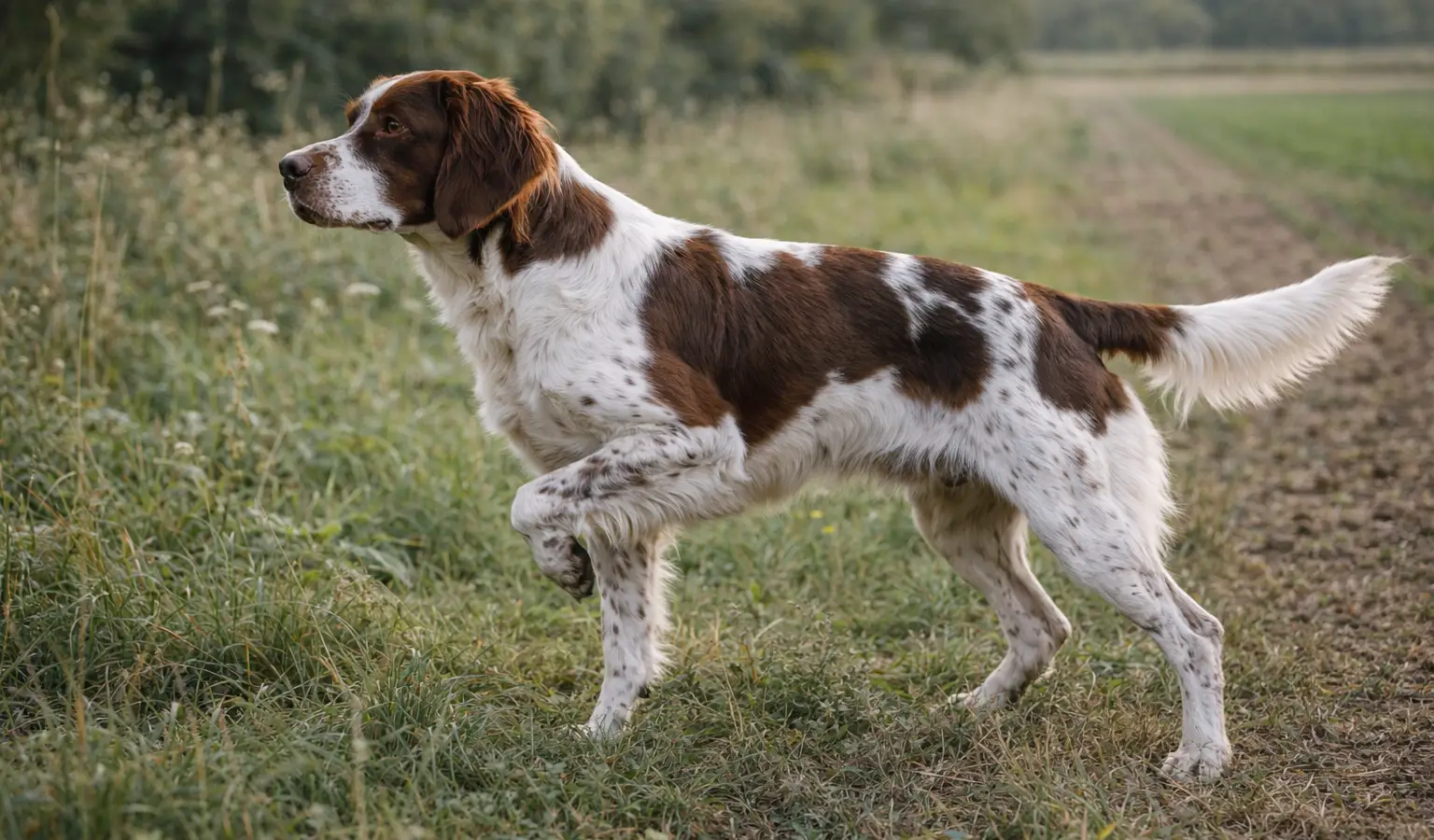
The French Spaniel is an elegant and powerful continental pointing dog known for its excellent nose and versatility in the field. Gentle, sociable and strongly attached to its family, it is calm indoors but active outdoors. It requires regular exercise, kind training and mental stimulation to remain balanced and fulfilled.
Life expectancy
12 – 14 years
Price
800 – 1400 €
Monthly budget
70 €
Size
Large
Profile
French Spaniel
Origin
France
Year of origin
1800
Developed by
French hunters
Size
Large
Coat type
Long coat
Owner profile
Active owner
Hypoallergenic
No
Litter size
7
Life expectancy
12 – 14 years
Price
800 – 1400 €
Female
- Height : 54 – 58 cm
- Weight : 22 – 26 kg
Male
- Height : 56 – 61 cm
- Weight : 25 – 30 kg
Temperament & abilities
Affectionate
5/5
Calm
4/5
Independent
2/5
Intelligence
4/5
Obedience
4/5
Hunting instinct
5/5
Energy level
4/5
Good with children
5/5
Dog-friendly
5/5
Friendly with strangers
4/5
Hunting profile
Stamina
4/5
Hunting drive
4/5
Independence
3/5
Trainability
4/5
Beginner-friendly
4/5
Family compatibility
5/5
Feather game
5/5
Fur game
3/5
Underground work
0/5
Water work
4/5
These indicators help compare breeds and choose the right one for your hunting style.
Game & abilities
Estimated ability level by game type.
Budget
Purchase price
800 – 1400 €
The price may vary depending on the breeder, bloodline, and region.
Average monthly cost
70 €
Estimated average: food, healthcare, accessories, and grooming.
A steady, versatile pointing dog with a cooperative style and a family-friendly side
Is the French Spaniel a Good Hunting Dog?
The French Spaniel is widely considered a very capable hunting dog for the right owner. In the field, it is valued for a good nose, a fairly methodical search pattern, natural cooperation, and a calmer handling style than some faster, harder-driving pointing breeds. For hunters asking whether the French Spaniel is a good hunting dog, the short answer is often yes: it tends to suit people who want a versatile pointing dog that can hunt game birds seriously without feeling overly intense at home.
Its working style is usually more measured than explosive. Many French Spaniels hunt with enough range for practical upland work while staying connected to the handler, which can make them pleasant to guide on foot. They are often appreciated for pointing, useful retrieving ability, and the kind of temperament that supports steadiness and recall when training is consistent. In mixed terrain, including farmland, hedgerows, light woodland, and moderately dense cover, the breed can be very coherent. It may be less attractive to hunters who want maximum speed, extreme range, or a highly specialized field-trial style dog.
The breed's strengths tend to come with a few demands. A French Spaniel usually needs regular exercise, structured training, and real outlets for its nose and brain. Its trainability is often a strong point, but that should not be confused with low maintenance. Young dogs can be enthusiastic, distracted, or soft depending on the individual, so handling usually works best when it is clear, patient, and consistent rather than overly harsh. Good socialization, recall work, and exposure to birds and terrain matter if you want the dog's natural abilities to translate into reliable hunting performance.
- Best fit: hunters who want a cooperative pointing dog with versatility and manageable home manners
- Strong points: nose, handling, trainability, useful stamina, and an adaptable working style
- Possible limits: not always the first choice for people seeking extreme range, relentless pace, or very hard-driving pressure in rough conditions
In everyday life, the French Spaniel often appeals to people trying to balance field performance with family life. When well exercised and mentally engaged, many are affectionate, settled companions in the house. Without enough work, however, that same capable hunting temperament can turn into restlessness or frustration. Overall, this breed makes the most sense for an active home that genuinely values a hunting companion, not just a pretty pointing dog in theory.
Methodical ground coverage
The French Spaniel is widely appreciated for working hunting ground in a calm, organized pattern rather than rushing aimlessly. That style can be very practical for hunters who want a dog that keeps in contact, searches thoroughly, and leaves fewer gaps in front of the gun. In mixed cover, this steady quartering often helps turn scattered bird scent into workable opportunities.
Useful nose on running birds
Many French Spaniels show a capable nose and the patience to follow light or shifting scent without becoming frantic. This can matter on wary game birds that move ahead through cover. Instead of only flashing on hot scent, a good individual may piece together the track, relocate carefully, and produce a more controlled point for the handler.
Steady, readable pointing style
One of the breed’s practical hunting assets is often the clarity of its point. A French Spaniel that has been well developed tends to announce game in a way the handler can read from a distance, which is valuable in hedgerows, woodland edges, and uneven cover. That visible concentration can make teamwork smoother and reduce rushed approaches.
Biddable with close handler contact
For many owners, the breed’s appeal lies in its cooperative nature. French Spaniels are often easier to keep connected than harder-driving pointing dogs, which suits hunters who prefer a responsive dog over a very wide-ranging one. With consistent training, that biddability can support cleaner turns, more manageable range, and a calmer day in the field.
All-day stamina without excess hurry
The French Spaniel is generally built for sustained hunting rather than explosive speed alone. In practical terms, that can mean enough endurance for long walks and repeated casts while still keeping a workable rhythm. For hunters who cover ground for hours, this balanced stamina is often more useful than extreme pace, especially when terrain and shooting opportunities demand patience.
Capable game recovery
Although best known as a pointing dog, the French Spaniel can also be a helpful retriever of shot game when training has been taken seriously. Many individuals are willing to pick up and deliver on land, adding to the breed’s versatility on a mixed day. Hunters wanting one dog for finding, pointing, and sensible recovery often see this as a real advantage.
Who the French Spaniel suits best
The French Spaniel tends to suit a hunter who wants a versatile pointing dog with a cooperative nature rather than a hard, overly independent worker. It often fits people who hunt upland game and mixed ground, walk regularly in the field, and enjoy training a dog that can live closely with the family. For an active owner, it can be a very appealing choice: generally biddable, affectionate at home, and serious enough outside to satisfy someone who values a classic hunting companion with a softer, more manageable temperament.
It is usually less suitable for households wanting a low-maintenance dog, very sedentary routines, or a kennel-only life with little daily interaction. The breed may also frustrate handlers who expect instant polish without consistent recall, steadiness, and exposure work. Common mismatches include first-time owners who like the idea of a hunting breed but cannot provide regular exercise, mental work, and calm structure. In the right home, the French Spaniel often balances field ability and family life well; in the wrong one, boredom, underuse, and sloppy manners can become the bigger issue than raw difficulty.
How an old French gundog became the calm, versatile pointing dog known today
Origins and development of the French Spaniel
The French Spaniel is generally regarded as one of the oldest continental pointing dogs, with roots in France that likely go back several centuries. Historical sources are not always perfectly consistent, but the breed is commonly linked to the old hunting spaniels described in early European writings and paintings. Over time, French hunters appear to have selected these dogs less for ornament and more for practical field use: finding game, holding point, and working at a pace that suited hunters on foot. That background helps explain why the modern French Spaniel is still valued as a versatile, methodical bird dog rather than an extreme specialist.
Its development seems to have been shaped by the realities of traditional French hunting. In mixed terrain, a dog needed enough nose to locate birds, enough composure to establish point, and enough cooperation to remain manageable through a long day in the field. Compared with some faster, more high-strung pointing breeds, the French Spaniel is often described as balanced in style, with a natural tendency toward a steady search and close partnership with the handler. That does not mean every individual works the same way, but the breed’s reputation for being biddable, thoughtful, and relatively easy to live with is closely tied to this history of practical selection.
The breed also went through periods of decline and recovery, as happened with many old European hunting dogs when fashions, wars, and changing hunting practices disrupted breeding. Later enthusiasts helped preserve and standardize the French Spaniel, aiming to keep its dual identity as a genuine hunting dog and a stable companion. That preservation effort matters for today’s owners: this is not simply a show dog with a sporting past, but a breed that still makes the most sense for people who appreciate functional structure, a workable off-switch in the home, and regular opportunities to use the dog’s nose and brain.
In daily life, this history usually translates into a dog that suits active owners, especially hunters wanting a cooperative pointing dog for upland work, or families who genuinely enjoy training, outdoor activity, and close interaction. The limitation is just as important as the strength: a French Spaniel may adapt well to home life, but it was developed to do real work. Without enough exercise, guidance, and mentally engaging routines, its best qualities are less likely to show. For the right household, though, its old-fashioned development is exactly what gives the breed its appealing mix of field usefulness, trainability, and generally gentle temperament.
An old French gundog
The French Spaniel is widely regarded as one of the older continental pointing breeds, with roots in French bird-dog traditions that likely go back several centuries. It was shaped for practical field work: locating game, holding point, and remaining manageable for the hunter. That heritage still helps explain its balanced build, cooperative attitude, and versatile reputation in the field.
Selected for useful range
Compared with some faster, wider-ranging pointing dogs, the French Spaniel is often appreciated for a hunting pattern that stays fairly connected to the handler. Many lines work at a medium range, quartering ground methodically rather than disappearing over the horizon. For hunters who want a dog that searches with intent but remains easy to follow, that can be a real strength.
Gentle but not soft
This breed is often described as kind, steady, and people-oriented, which helps explain its appeal beyond hunting circles. In daily life, many French Spaniels are affectionate and easier to live with than more intense working breeds. Even so, they are still sporting dogs: they usually respond best to calm, consistent training and enough activity to keep their mind and body engaged.
Best with an active home
A French Spaniel can adapt well to family life, but usually not to a sedentary routine. Long walks, free running in safe areas, field-style games, and regular training help this breed stay settled indoors. It often suits owners who enjoy the countryside, hiking, shooting sports, or dog activities, and who want a companion that can share both outdoor work and home life.
Coat care with a purpose
The coat is practical rather than extreme, but it still needs routine maintenance, especially after hunting or woodland exercise. Feathering can pick up burrs, mud, and seeds, and ears should be checked because a drop-eared gundog may trap moisture more easily. Regular brushing, field checks, and simple grooming usually do a lot to keep the dog comfortable and presentable.
A versatile all-round worker
The French Spaniel is valued as a versatile pointing dog rather than a narrow specialist. Depending on line, training, and country use, it may work on various upland birds and mixed terrain with a style that combines nose, cooperation, and stamina. It often appeals to hunters who prefer an adaptable, biddable gundog over a highly specialized field trial type.
Practical answers about hunting ability, training, exercise, home life, and owner fit
French Spaniel hunting and family life FAQ
Is the French Spaniel a good hunting dog for beginners?
The French Spaniel can be a very approachable pointing breed for a beginner, especially for someone who wants a cooperative dog rather than an ultra-hard, high-pressure field competitor. Many are known for a balanced hunting style, a useful nose, steady contact with the handler, and a generally willing attitude. That said, beginners still need to put time into recall, steadiness, bird introduction, and calm structure at home. A well-bred dog from proven hunting lines and patient training often make a big difference in how easy the breed feels to live with and develop in the field.
What kind of hunting is the French Spaniel best suited for?
The French Spaniel is typically seen as a versatile pointing dog that fits walked-up hunting over varied ground, including farmland, light cover, woodland edges, and mixed countryside. Many hunters appreciate a dog that can search with method, point game, and remain connected enough for practical shooting distances. Compared with some faster, wider-ranging pointing breeds, the French Spaniel often suits hunters who prefer a more manageable pattern and closer teamwork. Individual dogs vary, but the breed is often a sensible match for hunters who value cooperation, nose work, and an adaptable all-round companion.
How much exercise does a French Spaniel need when it is not hunting?
This is not a breed that is satisfied with a short lead walk around the block every day. Most French Spaniels do best with substantial daily activity that combines physical exercise, freedom to move safely, and mental work such as recall drills, retrieves, scent games, or structured training. Outside the hunting season, many owners find that one long outing plus additional shorter sessions helps keep the dog settled. If exercise is too limited, some dogs may become restless, noisy, or difficult to switch off indoors, even if they are affectionate and calm by nature.
Are French Spaniels easy to train for hunting and home life?
They are often considered trainable and handler-oriented, which can make them pleasant to educate for both field work and everyday manners. In practice, they usually respond best to clear routines, fair corrections, and plenty of repetition rather than harsh handling or confusing pressure. Early work on recall, lead walking, place training, and calm behavior around excitement can pay off just as much as formal hunting drills. A French Spaniel with decent breeding and consistent guidance may progress well, but softness, maturity rate, and drive can differ from one dog to another.
Can a French Spaniel live happily as both a family dog and a hunting dog?
For many homes, that dual role is one of the breed's strongest points. A well-exercised French Spaniel is often described as gentle, sociable, and pleasant to live with, which can make family life easier than with some more intense working dogs. The main condition is that the dog still needs a real outlet for its instincts, energy, and need for partnership, whether through hunting, training, scent work, or active outdoor life. Families who want a calm house dog with very low exercise needs may find the breed less easy than its sweet expression suggests.
Is the French Spaniel suitable for apartment living?
Apartment living is possible in some cases, but it is usually easier when the owner is highly committed to daily exercise, training, and outdoor time. The key question is not only square footage but whether the dog gets enough movement, off-lead opportunities where safe and legal, and mental engagement to prevent frustration. Many French Spaniels are fairly adaptable indoors once their needs are met, yet a cramped routine can quickly make life harder for both dog and owner. A house with easy access to fields, trails, or regular training ground is often a more natural fit.
Who is the French Spaniel best for, and who may struggle with this breed?
The breed often suits active owners who enjoy training, countryside walks, and a dog that can be both affectionate at home and useful in the field. It can be a strong choice for hunters wanting a cooperative pointing dog without the feel of an extreme specialist, and for families who genuinely include the dog in their daily life. People who are away for long hours, dislike muddy outdoor routines, or want a low-maintenance pet may struggle more. It may also be a less obvious fit for owners expecting polished hunting behavior without regular practice, guidance, and patient development.