Norrbottenspets
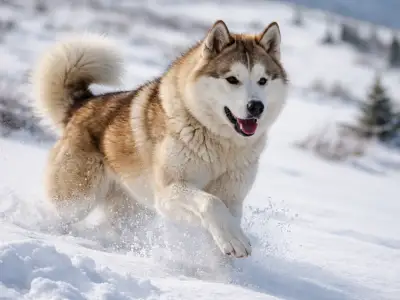
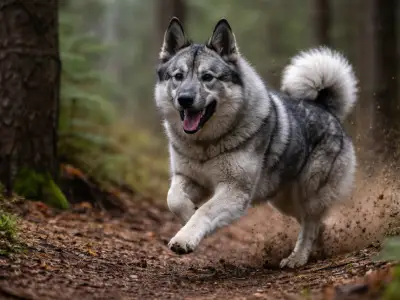
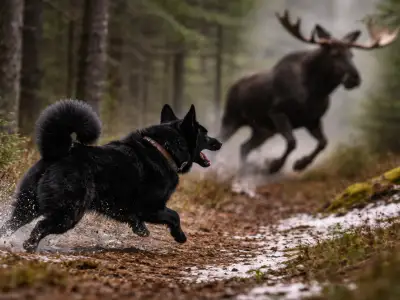
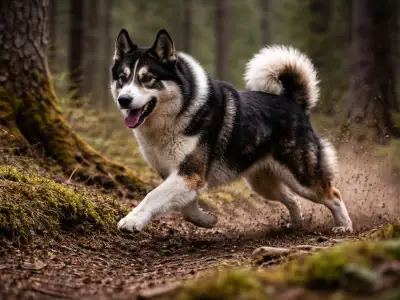
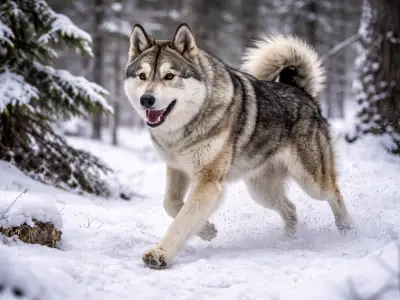
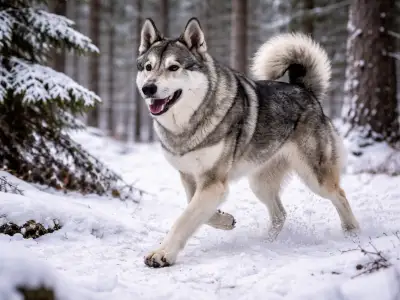
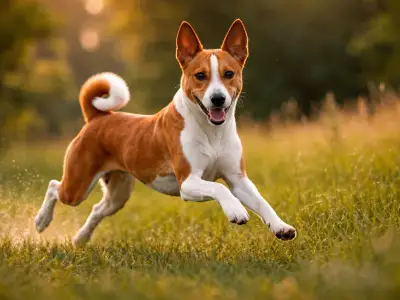
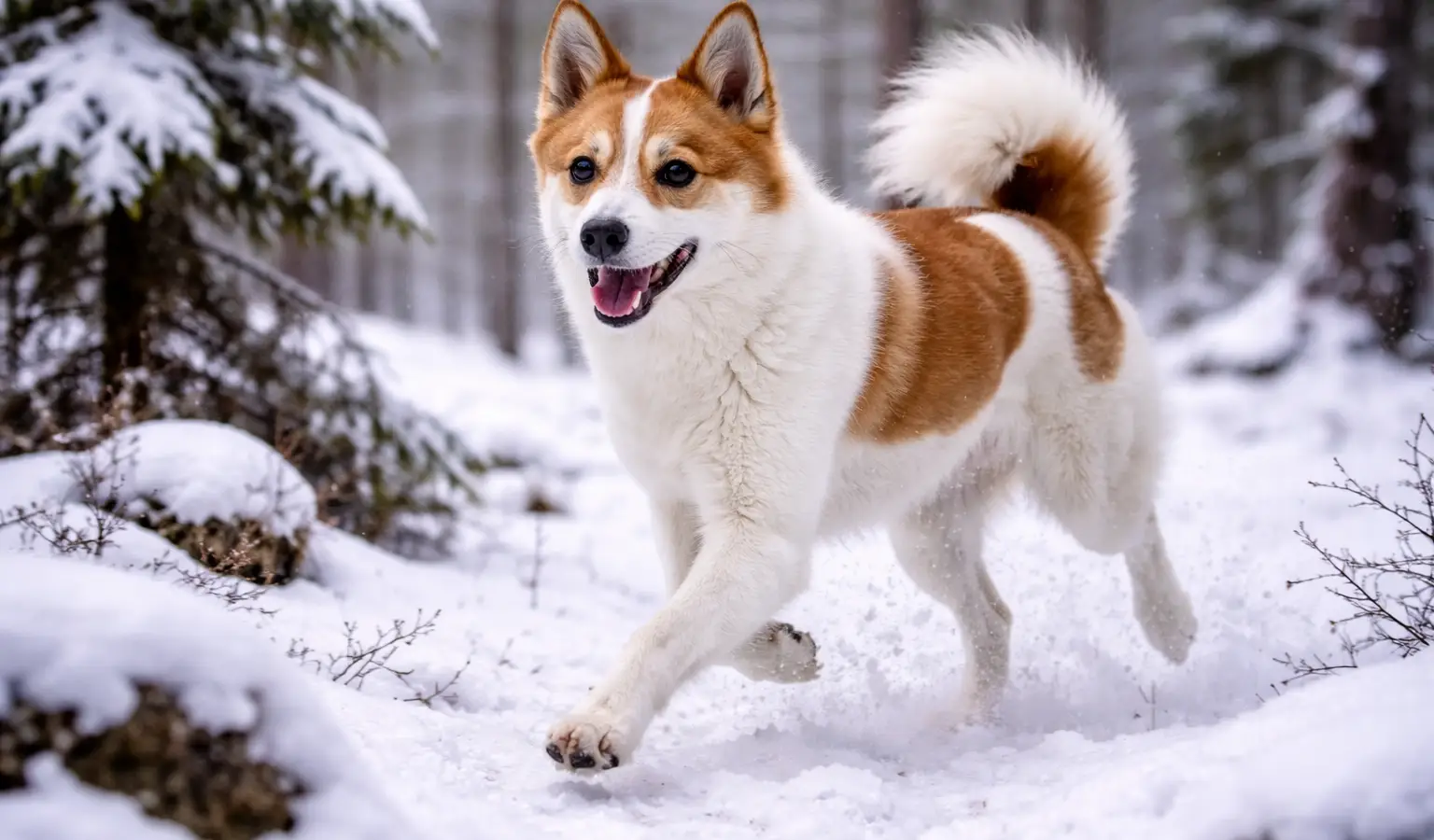
The Norrbottenspets is a lively and alert Nordic hunting dog.
Life expectancy
12 – 15 years
Price
900 – 1600 €
Monthly budget
65 €
Size
Small
Profile
Norrbottenspets
Origin
Sweden
Year of origin
1967
Developed by
Swedish breeders
Size
Small
Coat type
Double coat
Owner profile
Active owner
Hypoallergenic
No
Litter size
5
Life expectancy
12 – 15 years
Price
900 – 1600 €
Female
- Height : 40 – 45 cm
- Weight : 10 – 12 kg
Male
- Height : 43 – 47 cm
- Weight : 11 – 15 kg
Temperament & abilities
Affectionate
4/5
Calm
3/5
Independent
4/5
Intelligence
4/5
Obedience
3/5
Hunting instinct
5/5
Energy level
4/5
Good with children
4/5
Dog-friendly
3/5
Friendly with strangers
3/5
Hunting profile
Stamina
4/5
Hunting drive
3/5
Independence
4/5
Trainability
3/5
Beginner-friendly
3/5
Family compatibility
4/5
Feather game
2/5
Fur game
3/5
Underground work
1/5
Water work
0/5
These indicators help compare breeds and choose the right one for your hunting style.
Game & abilities
Estimated ability level by game type.
Budget
Purchase price
900 – 1600 €
The price may vary depending on the breeder, bloodline, and region.
Average monthly cost
65 €
Estimated average: food, healthcare, accessories, and grooming.
A small Nordic hunter with real drive, quick reactions, and a lifestyle that still demands serious daily engagement.
Is the Norrbottenspets a good hunting dog?
The Norrbottenspets is a genuinely capable hunting dog for the right kind of work. Traditionally valued as a lively Nordic spitz for forest hunting, it is best known for hunting small game and birds with an alert, energetic style rather than the heavy, methodical approach of a larger hound. For someone asking about Norrbottenspets hunting ability, the short answer is that this breed can be very effective in the field when its instincts, voice, and speed are channeled well, but it is not a low-maintenance all-rounder and it suits active handlers better than casual owners.
In practical terms, the breed tends to work with animation and initiative. A good Norrbottenspets often shows a lively search pattern, quick use of nose and eyes, and the confidence to locate, mark, and hold game with bark in typical spitz fashion. Many people appreciate its combination of courage, agility, and stamina in rough terrain, especially in woodland conditions where a compact, nimble dog can move efficiently. Handling is often better than in some more independent Nordic breeds, but recall and steadiness still need deliberate training; this is a dog with opinions, prey drive, and plenty of self-belief.
Its strengths are most coherent when the owner wants a smaller hunting dog with real intensity but also enough adaptability for family life. It can fit hunters and outdoorsy homes looking for a versatile companion rather than a specialist retriever or a dog bred mainly for long-distance tracking. Typical advantages and demands include:
- Strengths: lively hunting temperament, sharp alertness, good stamina for its size, and an engaging, responsive character with the right training.
- Demands: regular exercise, structured recall work, mental stimulation, and careful management of barking and prey interest in everyday settings.
- Limitations: not the most natural fit for owners wanting a quiet, highly biddable dog or a breed that is easy to leave underexercised.
As a household dog, the balance between field performance and daily life can be very appealing if expectations are realistic. The Norrbottenspets is usually bright, active, and close to its people, but its energy level is not ornamental. Without enough training, off-lead control, and purposeful activity, that sharp hunting temperament can spill into noise, restlessness, or constant scanning for stimulation. For a hunter or active family that enjoys training and outdoor time, it can be an unusually rewarding blend of compact size, working spirit, and everyday companionship.
Active search pattern
The Norrbottenspets is generally valued for covering ground with energy without becoming a reckless long-range hunter. In practical terms, that often means a lively, efficient search that suits woodland work where the dog must locate game, stay mentally engaged, and keep enough contact with the handler to remain useful rather than simply disappearing into the distance.
Strong bark at game
One of the breed's most useful working traits is its ability to indicate located game with persistent barking. For hunters pursuing forest birds or similar quarry, that vocal clarity can be a real advantage: it helps the handler read the situation, move in with more precision, and distinguish an actively working dog from one that is merely ranging around.
Quick, agile mover
Built as a small but athletic Nordic spitz, the Norrbottenspets often handles uneven ground, brush, and forest obstacles better than heavier dogs. That agility matters in day-to-day hunting because it supports fast changes of direction, efficient movement through dense cover, and a style of work that stays light on its feet rather than slow and laborious.
Good stamina for its size
Although compact, the breed is not usually a short-burst specialist. A well-conditioned Norrbottenspets can often work for long outings with impressive durability, especially in cool weather. For the owner, that means a dog that may keep going long after a casual companion would tire, so regular exercise and steady conditioning are important if hunting days are part of the plan.
Responsive with fair handling
This is often a practical choice for hunters who want a spirited dog without the heaviest handling burden. Many Norrbottenspets are intelligent, alert, and capable of learning routines quickly, but they usually respond best to calm, consistent training rather than repetitive drilling. That balance can make the breed rewarding for handlers who enjoy active cooperation, not constant correction.
Best for active, hands-on hunters
The breed's strengths show most clearly with owners who appreciate an energetic hunting spitz and are prepared to channel that intensity between outings. It may suit people wanting a small, hardy forest dog with genuine working drive, but it is less likely to satisfy someone looking for a naturally quiet, low-effort pet. Daily life usually goes best with training, movement, and a job to do.
Who the Norrbottenspets suits best
The Norrbottenspets tends to suit an active owner who enjoys a small, quick, vocal hunting dog and is realistic about daily management. It is often a good match for people who like versatile Nordic hunting breeds, spend time outdoors in all seasons, and want a dog that can switch from family life to purposeful work. In the right hands, it can fit a hunting household well: alert, energetic, generally close to its people, and usually easier to live with indoors than a much heavier specialist dog, provided its exercise and mental work are taken seriously.
It is usually less suitable for owners wanting a low-maintenance pet, a silent dog, or a breed that thrives on short walks and very little training. Common mismatches include first-time owners drawn only by its compact size, urban homes with limited outlets for barking and activity, and hunters expecting automatic steadiness without consistent education. This breed tends to suit people who enjoy training, structure, and regular field time more than those seeking a laid-back companion.
How a small Nordic hunting spitz was shaped by hard country, practical work, and selective breeding
Origins of the Norrbottenspets
The Norrbottenspets is generally understood to have developed in the far north of Sweden, especially in the Norrbotten region, with close historical ties to similar small spitz-type hunting dogs found across the forests of northern Scandinavia and nearby Finland. Rather than being created as a show breed first, it appears to have been preserved because it was useful: a light, agile, cold-tolerant dog capable of working in difficult terrain, locating game, and using its voice to hold a hunter’s attention on the quarry. That practical background still helps explain the breed’s alert temperament, quick reactions, and strong hunting instinct today.
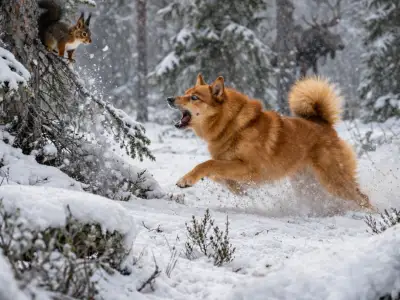
Historically, these dogs were valued by small-scale hunters and rural households that needed one dog to do real work. Accounts vary in detail, but the type was associated with hunting forest birds such as capercaillie and grouse, and in some lines it was also used on squirrel and other small game. Selection seems to have favored efficiency over ornament: a dog had to move easily through dense woodland, cope with severe weather, and work at enough distance to find game while staying mentally connected to the handler. This is a useful clue for modern owners, because the breed often combines independence in the field with a notable readiness to cooperate when training is consistent and fair.
Like several old landrace hunting dogs, the Norrbottenspets did not follow a perfectly documented, uninterrupted path. Numbers reportedly dropped sharply in the twentieth century, and the breed was at one point considered very rare, if not nearly lost in organized breeding circles. The dogs that remained in remote areas appear to have played an important role in rebuilding the breed. That history matters: it helps explain why enthusiasts still tend to value working ability, soundness, and functional structure at least as much as appearance.
In daily life, this heritage usually produces a dog that is lively, observant, vocal when stimulated, and happiest with purposeful activity rather than a purely decorative role. For hunters, the Norrbottenspets can suit someone who appreciates a compact Nordic barking dog with initiative and stamina. For non-hunting homes, the same traits can be rewarding, but they also mean the breed is often better suited to active owners who enjoy training, outdoor time, and clear routines. Its past as a practical northern hunting companion is not just a historical detail; it remains one of the best guides to understanding the breed’s present-day character.
Northern roots
The Norrbottenspets developed in the far north of Sweden, in the Norrbotten region, where small, hardy spitz-type dogs were valued for practical hunting work. The breed is closely tied to boreal forests, harsh weather, and a tradition of useful rather than ornamental dogs. That background still helps explain its alert mind, physical toughness, and strong working instincts.
A versatile bark hunter
This breed is best known as a Scandinavian hunting spitz used to locate game and hold the hunter's attention with animated barking. Depending on line and training, it has been associated with forest birds and small game, and sometimes broader hunting tasks. Its style relies more on initiative, speed, and voice than on the close, handler-focused pattern seen in many gun dogs.
Bright, lively temperament
A good Norrbottenspets often comes across as cheerful, quick, and highly aware of its surroundings. It usually learns fast, but that intelligence can come with independence, especially outdoors where scent, movement, and wildlife are rewarding. Many do well with calm, consistent training and enough mental work, while heavy-handed handling may reduce cooperation rather than improve it.
Best with an active routine
This is not typically a low-maintenance house dog that is content with a brief walk around the block. Most Norrbottenspets need regular exercise, off-leash style movement in safe areas, and meaningful outlets for their brain and prey drive. They can adapt to family life, but they tend to suit owners who genuinely enjoy daily activity, outdoor time, and engaged training.
Compact but not effortless
Its moderate size can make the breed look easy to manage, but daily life is usually simpler when owners are prepared for alertness, vocal tendencies, and a dog that notices everything. The coat is generally practical rather than demanding, especially compared with heavier-coated northern breeds, yet the real maintenance need is behavioral: exercise, structure, and enough stimulation to prevent frustration.
Who it tends to suit
The Norrbottenspets often suits people who want a small-to-medium Nordic hunting dog with real energy, sharp senses, and a more natural working style. It may be a strong match for active hunters or outdoorsy homes that appreciate a spirited, vocal, responsive dog. It is usually less suitable for owners seeking a sedentary companion or a universally easy first dog.
Practical answers about hunting ability, training, exercise, home life, and owner suitability
Norrbottenspets Hunting and Daily Life FAQ
Is the Norrbottenspets a good hunting dog for modern hunters?
The Norrbottenspets can be a very capable hunting dog for the right hunter, especially if you value a small, agile Nordic spitz with plenty of initiative. It has traditionally been associated with hunting in forested terrain, often using voice and alertness to help locate or hold game, though exact working style can vary by line and training. In practice, this breed often suits hunters who enjoy an active, responsive dog rather than a slow, highly handler-dependent worker. It may be less suitable for someone wanting a very specialized dog with a narrowly defined role and highly uniform performance from one individual to the next.
What kind of hunting style can you expect from a Norrbottenspets?
Many Norrbottenspets show the classic spitz pattern of independence, strong environmental awareness, and a tendency to work with energy in cover and woodland. Depending on breeding and experience, some dogs may range actively, use their voice readily, and show good persistence, while others may be more moderate and easier to keep close. Hunters often appreciate their quickness, toughness, and ability to stay engaged in difficult terrain. That said, this is not usually the breed for someone who wants the same style as a pointing dog, retriever, or close-working flushing spaniel.
Are Norrbottenspets easy to train, or are they stubborn?
The breed is often intelligent and quick to understand patterns, but that does not always mean easy in the beginner-friendly sense. Many individuals have an independent streak, so training tends to go best when it is consistent, calm, and purposeful rather than repetitive or heavy-handed. Recall, impulse control, and working around game scent usually need real effort, especially in adolescence. Owners who enjoy building cooperation and can be fair, clear, and active usually do better than people expecting automatic obedience.
Can a Norrbottenspets live as a family dog if it is not used for hunting?
It can, provided the household truly meets its mental and physical needs. A well-managed Norrbottenspets may be affectionate, lively, and enjoyable to live with, but it is rarely a low-effort companion for a sedentary home. Without enough exercise, structured activity, and engagement, some dogs may become noisy, restless, or too self-employed in the house and garden. Families who like hiking, training, outdoor play, and a bright, alert dog often find the breed easier to live with than families wanting a calm, naturally undemanding pet.
Is the Norrbottenspets good with children and other pets?
With children, the breed can do well when socialized properly and raised with sensible boundaries on both sides. Its size and agility can make it a fun companion for active families, but its energy level and vocal tendencies may be a lot for very quiet households. With other dogs, outcomes are often manageable if introductions and daily routines are well handled. Small pets can be more complicated because prey drive may be significant in some individuals, so caution, supervision, and realistic expectations are important.
Can a Norrbottenspets live in an apartment, or does it need a rural home?
A rural setting can be a natural fit, but the breed does not automatically require country living if its needs are met properly. Apartment life is possible for some individuals, though barking, alertness, and the need for meaningful daily exercise can make it harder than with more laid-back breeds. This dog usually benefits from regular outdoor time, freedom to move, and activities that use its brain as well as its body. Owners in urban housing should be honest about noise tolerance, training commitment, and whether they can provide enough structured outlets every day.
Who is the Norrbottenspets best suited for?
The breed often suits active owners who appreciate working-dog character in a compact, hardy package. It can be a strong match for hunters, outdoors-oriented homes, and experienced dog people who enjoy training rather than simply managing a pet. First-time owners are not automatically ruled out, but success usually depends on how realistic they are about energy, prey drive, vocal behavior, and consistency. In general, the Norrbottenspets fits people who want an alert, lively, engaged dog and are prepared to shape that energy productively.