East Siberian Laika
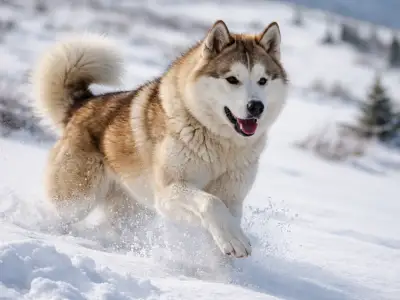
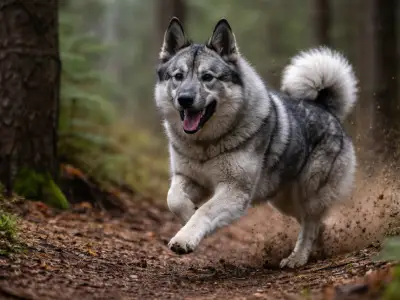
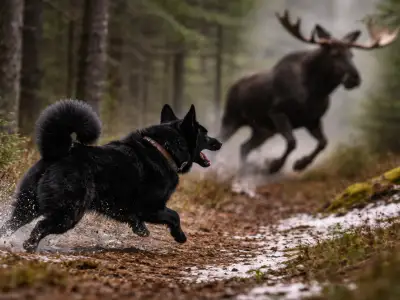
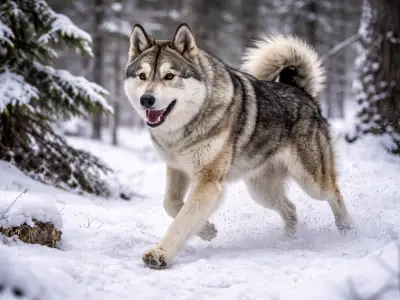
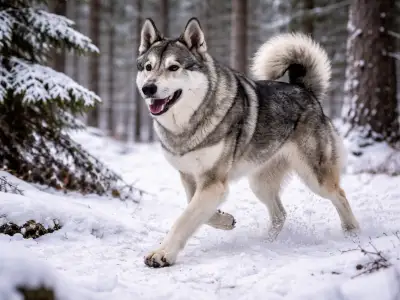
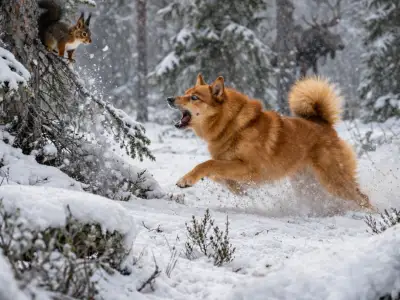
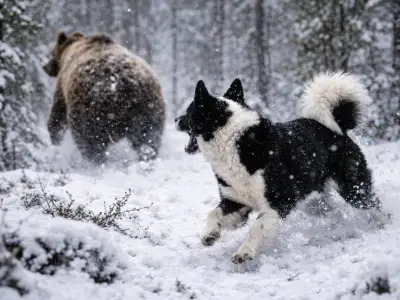
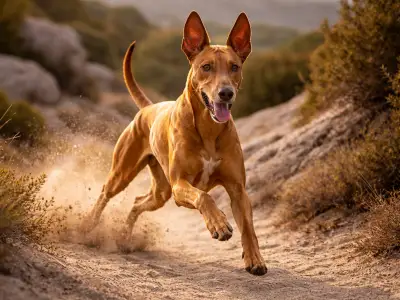
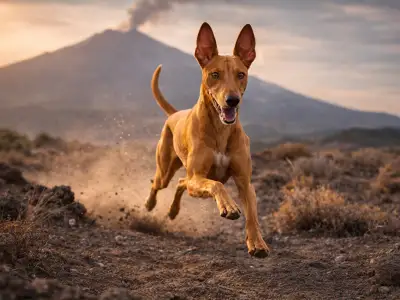
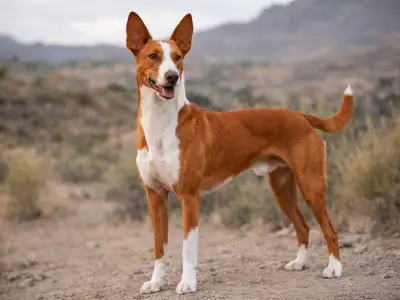
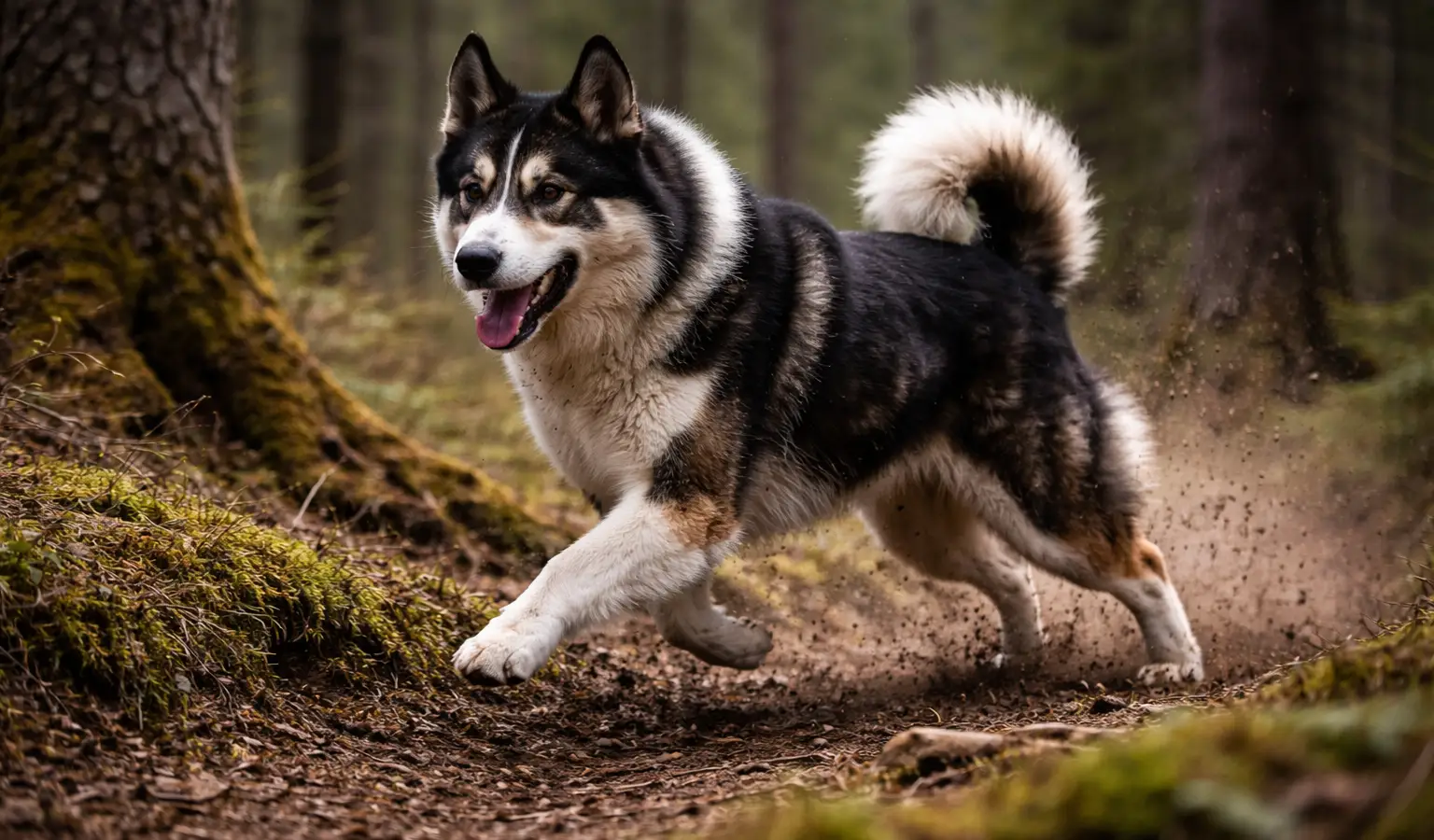
The East Siberian Laika is a powerful and resilient big-game hunting dog.
Life expectancy
11 – 14 years
Price
900 – 1700 €
Monthly budget
75 €
Size
Large
Profile
East Siberian Laika
Origin
Russia
Year of origin
1947
Developed by
Siberian hunters
Size
Large
Coat type
Double coat
Owner profile
Experienced owner
Hypoallergenic
No
Litter size
7
Life expectancy
11 – 14 years
Price
900 – 1700 €
Female
- Height : 53 – 60 cm
- Weight : 18 – 25 kg
Male
- Height : 55 – 64 cm
- Weight : 23 – 30 kg
Temperament & abilities
Affectionate
3/5
Calm
3/5
Independent
5/5
Intelligence
4/5
Obedience
2/5
Hunting instinct
5/5
Energy level
5/5
Good with children
3/5
Dog-friendly
2/5
Friendly with strangers
2/5
Hunting profile
Stamina
5/5
Hunting drive
5/5
Independence
5/5
Trainability
2/5
Beginner-friendly
1/5
Family compatibility
3/5
Feather game
1/5
Fur game
4/5
Underground work
2/5
Water work
0/5
These indicators help compare breeds and choose the right one for your hunting style.
Game & abilities
Estimated ability level by game type.
Budget
Purchase price
900 – 1700 €
The price may vary depending on the breeder, bloodline, and region.
Average monthly cost
75 €
Estimated average: food, healthcare, accessories, and grooming.
A versatile northern hunting breed with real stamina, independence, and serious working drive
Is the East Siberian Laika a good hunting dog?
The East Siberian Laika is widely considered a very capable hunting dog for hunters who want a tough, versatile, cold-weather worker rather than a highly controlled specialist. In the field, this breed is valued for stamina, courage, and the ability to range out, use its nose intelligently, and work difficult terrain with determination. It is especially coherent for hunters looking for a traditional spitz-type hunting dog that can search actively, indicate game with voice, and keep going over long days, but it is less straightforward than a breed bred mainly for close handling and easy recall.
Its working style is typically independent, alert, and energetic. Many East Siberian Laikas hunt with initiative, which can be a major strength in forested country, rough ground, and expansive northern terrain where self-reliance matters. That independence also shapes handling: this is not usually the easiest breed for novice trainers who expect constant check-ins or immediate obedience at a distance. Trainability is real, but it often depends on bloodline, early education, consistency, and whether the handler understands primitive hunting breeds. Recall, steadiness, and practical field control usually require more deliberate work than with more biddable gundog types.
As a hunting breed, the East Siberian Laika is most coherent in roles that reward endurance, initiative, and mental toughness rather than polished retrieve work. Depending on line and local tradition, individuals may be used on a variety of game, but the breed is generally associated with broad hunting versatility rather than narrow specialization.
- Strengths: stamina, cold tolerance, ruggedness, active search pattern, courage, and the ability to work independently in demanding terrain.
- Limitations: variable recall, strong prey drive, less natural close handling, and training demands that can frustrate owners wanting a softer, more compliant dog.
- Best fit: experienced, active hunters who appreciate a self-directed dog and can give it regular work, structure, and room to move.
In everyday life, that same hunting temperament means high energy and a dog that usually needs more than casual exercise. A well-managed East Siberian Laika can live as a family dog, but daily life is easiest in a rural or very active home with secure space, meaningful training, and an owner who enjoys managing drive rather than suppressing it. For the right person, it can be an impressive hunting companion; for someone seeking an easygoing pet or a highly handler-focused field dog, another breed may be a more natural match.
Big-country stamina
The East Siberian Laika is widely valued for lasting power in demanding terrain. In forests, rough ground, cold weather, and long hunting days, many individuals keep working with notable energy. That endurance makes the breed especially attractive to hunters who cover serious distance and need a dog that can stay useful after the first hard hour.
Versatile game finder
One of this breed’s most practical assets is versatility. Depending on line, region, and training, an East Siberian Laika may be used on furred game, upland birds, and larger quarry. For hunters who prefer one hardy multipurpose hunting dog rather than several specialists, that flexibility can be a real advantage, though results still depend heavily on breeding and education.
Bold at bay
This Laika is known for a brave, assertive style when locating and holding game at bay. The useful quality is not reckless aggression, but enough confidence to stay engaged, use voice, and pressure game without collapsing under stress. In practical hunting terms, that courage can help the handler locate the dog and assess the situation more efficiently.
Independent field brain
The East Siberian Laika often works with a degree of initiative that many experienced hunters appreciate. In broken cover or large woodland, a dog that can solve problems on its own is often more effective than one that waits for constant direction. The trade-off is clear: training should focus on cooperation and recall, because independence is useful only when it remains manageable.
Alert nose and game sense
Rather than relying on speed alone, this breed typically combines scenting ability with sharp environmental awareness. Many East Siberian Laikas show a natural talent for picking up fresh sign, checking cover intelligently, and adjusting to drifting scent. That practical game sense can make the dog feel efficient in real hunting conditions, especially where game is moving and visibility is limited.
Strong voice for locating
A clear, sustained bark is a working asset in a hunting Laika, not just a breed quirk. When the dog has found, treed, or held game, vocal reporting can help the hunter close distance and understand what is happening without direct visual contact. For woodland hunting, that audible communication is often one of the breed’s most useful field qualities.
Who the East Siberian Laika Suits Best
The East Siberian Laika tends to suit a serious hunting owner or very active household that wants a tough, independent northern hunting dog rather than an easygoing pet. It is often a better match for people who spend real time outdoors, value stamina and cold-weather resilience, and can give the dog structured work, training, and space. In hunting terms, it usually fits best with handlers who appreciate a versatile spitz-type dog with initiative, strong scenting and tracking ability, and the confidence to work in demanding terrain.
It is usually less suitable for first-time dog owners, highly urban homes, or families expecting a soft, highly biddable companion that is content with short walks. Many East Siberian Laikas do best with clear boundaries, regular exercise, and owners who understand that independence is part of the breed, not a training flaw. Common mismatches include sedentary households, homes with very limited outdoor access, and handlers who want instant off-leash reliability without long, consistent work. For the right owner, this can be a capable hunting partner and loyal family dog; for the wrong profile, daily life may feel demanding.
Origins and development of the East Siberian Laika
The East Siberian Laika comes from the vast forested regions of eastern Siberia and the Russian Far East, where local Laika-type dogs were shaped less by formal breeding at first than by survival, utility, and the needs of hunters living in harsh conditions. Rather than descending from a single neatly documented line, the breed appears to have developed from regional hunting spitz used by Indigenous and rural communities for tracking, locating, and holding game across enormous territories. That background helps explain the modern dog’s independence, stamina, weather resistance, and strong instinct to work at a distance without constant guidance.
Historically, these dogs were valued as versatile hunting companions. Depending on the area and the line, they might be used on fur-bearing game, forest birds, and sometimes larger quarry, with selection favoring courage, sharp senses, a carrying voice, and the ability to stay functional in deep cold and difficult terrain. Standardization came later under Russian kennel systems, when breeders and officials began separating regional Laika populations into more defined breeds, including the East Siberian Laika. As with many old working landraces, exact historical details can vary by source, but the broader picture is consistent: this is a practical northern hunting dog shaped by field performance first.
That origin still shows clearly in the breed’s temperament today. An East Siberian Laika is often intelligent, hardy, alert, and self-reliant, with a serious working style that can suit hunters who appreciate initiative rather than constant handler focus. In everyday life, this usually means a dog that needs meaningful activity, room to move, and thoughtful training. It may bond well with its family, but it is not usually the easiest choice for owners expecting effortless obedience, low exercise needs, or a highly biddable, always-please-you temperament.
For the right person, the breed’s history is a strong clue to its suitability:
- Best fit: active owners, experienced handlers, and hunters wanting a tough, natural-working northern dog.
- Main strengths: endurance, resilience, scenting and locating ability, confidence outdoors, and adaptation to rough conditions.
- Possible limitations: independence, high energy, strong prey drive, and training that often requires patience and consistency rather than force.
In practical terms, the East Siberian Laika makes the most sense for people who value a traditional hunting breed with real working roots and who can give it structure, exercise, and purpose. Its history is not just background; it is the reason the breed tends to be bold outside, composed in hard weather, and demanding to live with if its instincts are ignored.
Born in the Siberian forests
The East Siberian Laika developed across vast forested regions of Siberia, where hunters needed a hardy, versatile dog able to work in severe cold and rough terrain. Rather than being shaped as a uniform show breed from the start, it appears to have emerged from regional hunting spitz types selected for stamina, independence, and practical usefulness in the field.
A versatile hunting partner
This breed is traditionally valued as a multipurpose hunting dog. Depending on line and local tradition, East Siberian Laikas have been used on fur game, forest birds, and sometimes larger quarry. Their working style usually combines active searching, strong scent use, alert barking on game, and the confidence to range out while still staying connected to the handler.
Independent but deeply aware
Many East Siberian Laikas show a temperament that is both self-reliant and observant. They often make decisions quickly in the field, which can be valuable for hunting but sometimes challenging for novice owners expecting automatic obedience. With fair handling, early socialization, and clear routines, they may become steady companions, though they rarely feel like soft, constantly compliant dogs.
Needs space and a real outlet
This is usually not an easy apartment breed unless daily exercise, mental work, and outdoor time are exceptionally well managed. Most individuals do best with room to move, regular training, and purposeful activity such as tracking, hunting, searching games, or long hikes. Without enough stimulation, a clever northern hunting dog may become noisy, restless, or creatively destructive.
Rustic coat, not low effort
The East Siberian Laika has a weather-resistant double coat designed for harsh conditions, which helps explain its robust outdoor image. That does not mean care is minimal. Seasonal shedding can be heavy, and regular brushing helps manage loose hair and skin condition. Owners should also expect routine checks of ears, feet, claws, and overall condition after hard work outdoors.
Best for active, hands-on owners
This breed tends to suit people who appreciate a capable working dog more than a purely easygoing pet. Hunters, very active rural owners, and experienced dog handlers often adapt best to its combination of drive, toughness, and autonomy. For families, success usually depends on training, supervision, and whether the dog’s daily physical and mental needs are truly met.
Practical questions about hunting ability, training, exercise, family life, and everyday suitability
East Siberian Laika Hunting FAQ
Is the East Siberian Laika a good hunting dog for beginners?
The East Siberian Laika can be an impressive hunting partner, but it is not usually the easiest starting point for a first-time handler. This breed often combines stamina, independence, strong prey drive, and a tendency to work at some distance, which can challenge owners who are still learning timing, recall training, and game management. In experienced hands, those qualities are valuable in the field; in novice hands, they can feel overwhelming. A beginner with serious support from a skilled mentor, access to good training ground, and realistic expectations may do well, but it is rarely the simplest first hunting breed.
What game is an East Siberian Laika typically used for?
The breed has historically been used as a versatile hunting dog, and depending on line and region, it may be worked on a range of quarry. People often associate the East Siberian Laika with fur game, forest game, and larger game in some traditions, but actual suitability varies with breeding, local hunting culture, and the individual dog's nerve and training. It is better understood as a broad hunting spitz than as a narrow specialist. Before choosing one for a specific purpose, it is wise to study the working background of the parents rather than assume every dog from the breed will hunt the same way.
Are East Siberian Laikas easy to train off leash and on recall?
Recall and off-leash reliability usually require more work than with highly handler-focused breeds. Many East Siberian Laikas are intelligent and capable learners, but they may also be self-directed, environmentally aware, and quick to follow scent or movement if training is incomplete. Early reinforcement, careful proofing around wildlife, and consistent boundaries matter much more than occasional obedience sessions. Some individuals become trustworthy in appropriate settings, but most owners should stay realistic: a hunting spitz with genuine prey drive is not the same as a dog bred primarily to stay close and check in constantly.
Can an East Siberian Laika live happily as a family dog if it also hunts?
In the right home, yes, but family life works best when people fully respect the breed's working nature. A well-bred, well-socialized East Siberian Laika can be affectionate with its household and calm indoors after enough physical activity and mental engagement, yet it is rarely a low-demand pet. Many do best with structured routines, meaningful exercise, and clear rules rather than a purely ornamental lifestyle. Homes with children can work well if interactions are supervised and the dog has outlets for energy, but small pets may be a more difficult fit because prey interest can be strong.
Does the East Siberian Laika need a big yard, or can it live in a house?
A large fenced yard is helpful, but space alone does not satisfy this breed. An East Siberian Laika can live in a house comfortably if daily life includes serious exercise, regular outdoor time, and enough structure to prevent boredom. What tends to matter most is not square footage but whether the owner can provide movement, exploration, training, and supervision. Apartment life is usually harder unless the dog comes from calmer lines and the owner is exceptionally committed, because frustration often appears when an active hunting dog has too little to do.
How much exercise does an East Siberian Laika really need every day?
Most East Siberian Laikas need more than a couple of short walks. They generally do best with a combination of sustained physical activity, free movement where safe and legal, scent-based work, and training that gives the dog a job to think about. For many individuals, daily needs are closer to the level expected of a serious working breed than an average companion dog. If exercise is inconsistent, some dogs become noisy, restless, destructive, or harder to handle outdoors, so future owners should picture an active routine throughout the week, not just on weekends.
Who is the East Siberian Laika best suited to?
This breed tends to suit active, patient owners who appreciate independent dogs and do not expect effortless obedience. It is often a better match for hunters, outdoors-oriented households, or experienced working-dog owners than for people wanting an easygoing suburban pet. The best homes usually enjoy training, can manage prey drive responsibly, and are comfortable with a dog that may be loyal without being overly clingy. For the right person, the East Siberian Laika can be deeply rewarding; for someone seeking low maintenance, high biddability, or minimal exercise demands, another breed may be more practical.