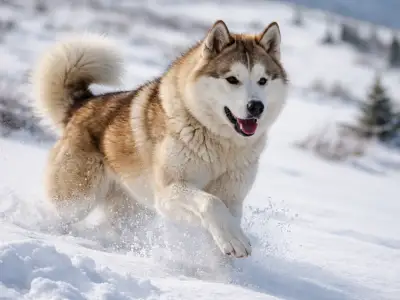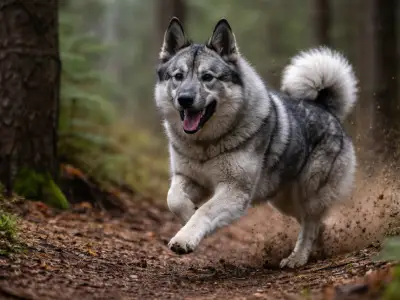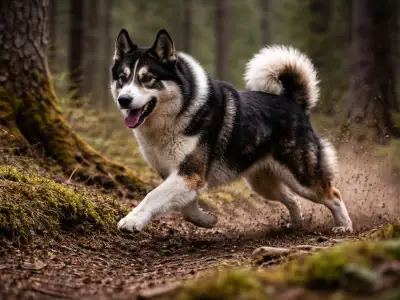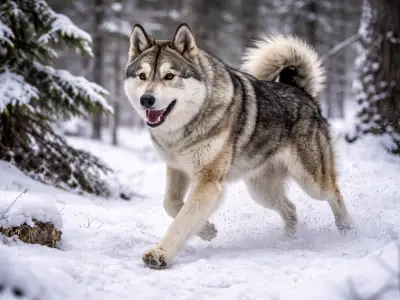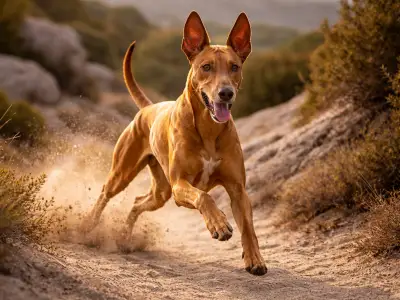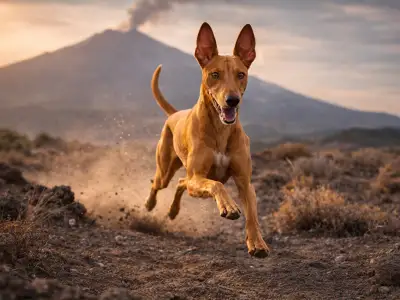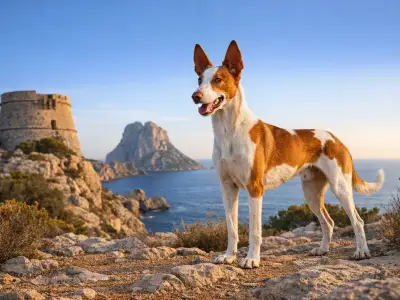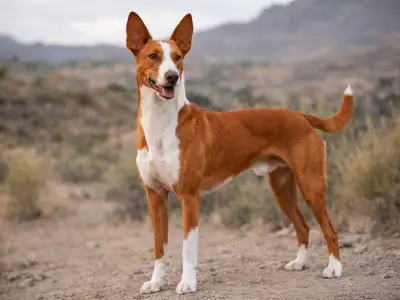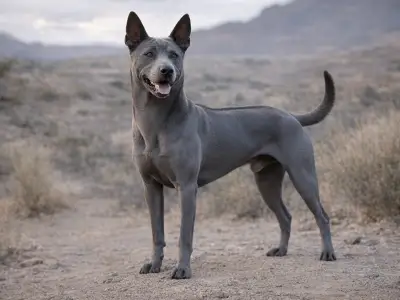
Norwegian Elkhound Black
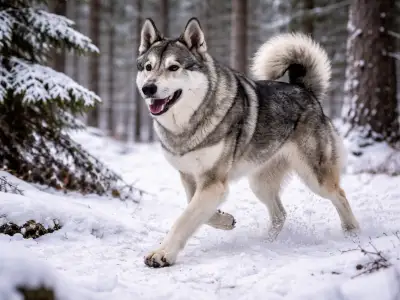
The Norwegian Elkhound Black is a rare Nordic hunting dog, lighter and more agile than the grey variety.
Life expectancy
12 – 15 years
Price
1000 – 1800 €
Monthly budget
70 €
Size
Medium
Profile
Norwegian Elkhound Black
Origin
Norway
Year of origin
1800
Developed by
Norwegian hunters
Size
Medium
Coat type
Double coat
Owner profile
Active owner
Hypoallergenic
No
Litter size
6
Life expectancy
12 – 15 years
Price
1000 – 1800 €
Female
- Height : 43 – 46 cm
- Weight : 16 – 20 kg
Male
- Height : 46 – 49 cm
- Weight : 18 – 25 kg
Temperament & abilities
Affectionate
4/5
Calm
3/5
Independent
4/5
Intelligence
4/5
Obedience
3/5
Hunting instinct
5/5
Energy level
4/5
Good with children
4/5
Dog-friendly
3/5
Friendly with strangers
3/5
Hunting profile
Stamina
5/5
Hunting drive
4/5
Independence
4/5
Trainability
3/5
Beginner-friendly
3/5
Family compatibility
4/5
Feather game
1/5
Fur game
4/5
Underground work
2/5
Water work
0/5
These indicators help compare breeds and choose the right one for your hunting style.
Game & abilities
Estimated ability level by game type.
Budget
Purchase price
1000 – 1800 €
The price may vary depending on the breeder, bloodline, and region.
Average monthly cost
70 €
Estimated average: food, healthcare, accessories, and grooming.
A compact Nordic hunter with stamina, voice, and a strong independent streak
Is the Norwegian Elkhound Black a good hunting dog?
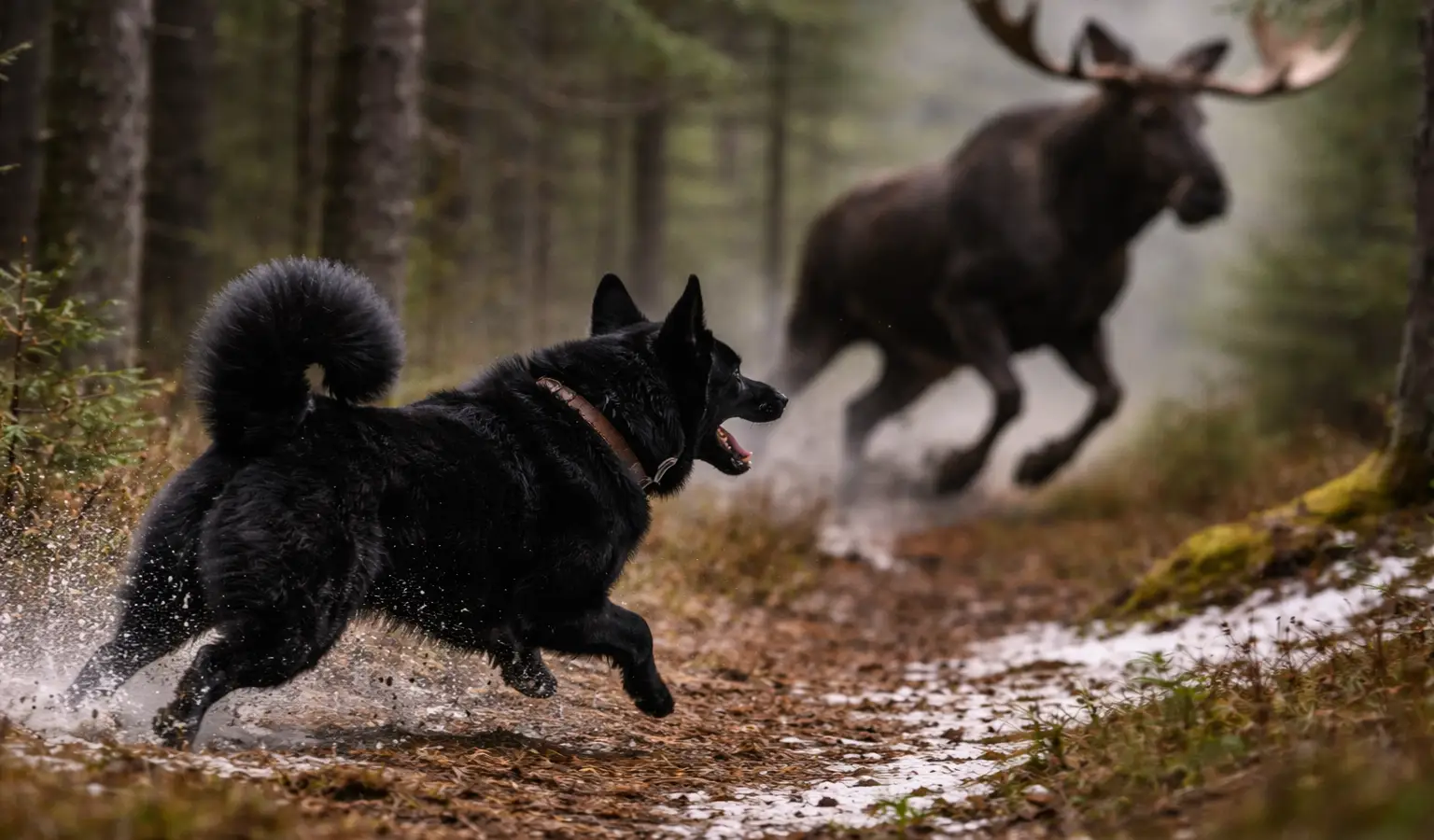
The Norwegian Elkhound Black is a capable hunting dog for hunters who want an agile, hardy spitz-type worker, especially for moose and similar game in rough country. Its hunting value usually comes from a combination of nose, stamina, alertness, and the confidence to work game with pressure and persistence rather than from close, highly handler-dependent cooperation. In practical terms, this is often a breed better suited to traditional Nordic big-game hunting than to mixed shooting days or highly versatile gun-dog tasks.
In the field, the breed is generally expected to hunt with initiative. A good Norwegian Elkhound Black may range out to locate scent, work independently, and use its voice to indicate contact or hold game at bay, depending on line and training. That working style can be very effective in forested terrain where endurance, determination, and the ability to operate away from the handler matter. The trade-off is handling: this is not usually the easiest choice for someone who wants instant recall, close patterning, or the soft, biddable feel of a more handler-focused breed.
Temperament plays a major role in suitability. The Norwegian Elkhound Black often appeals to people who appreciate a bold, energetic dog with self-belief and weather resistance. Trainability can be good, but it tends to reward consistent, fair, repetitive work rather than heavy-handed methods. Recall, steadiness, and everyday control usually need real investment, particularly in young dogs. For hunting homes, it makes most sense with owners who enjoy structured training and can channel a strong hunting instinct instead of trying to suppress it.
- Strengths: stamina, toughness, game awareness, functional nose, independence, and suitability for difficult woodland terrain
- Limitations: can be strong-willed, may range wider than some owners prefer, and is not the most natural fit for retrieve-centered or highly versatile gundog work
- Best use cases: hunters focused on traditional tracking and big-game work, active rural homes, and owners who want a serious outdoor dog rather than a low-demand companion
As a family and daily-life companion, the balance is manageable for the right household but demanding for the wrong one. This breed typically needs regular exercise, purposeful activity, and boundaries; a short walk and a quiet apartment routine will rarely bring out its best side. Compared with some larger hunting breeds, it can be easier to live with in terms of size, but not necessarily in terms of mental intensity. For the person comparing hunting breeds, the Norwegian Elkhound Black is a coherent choice when you want a genuine working temperament, forest stamina, and traditional hunting character, and a less ideal one if your priority is easy off-switch, novice-friendly handling, or broad all-round gundog versatility.
Cold-trailing nose
The Norwegian Elkhound Black is valued for its ability to work scent in difficult country, especially where moose or other large game have moved through forest cover. A good individual can sort older tracks with patience and stay methodical instead of rushing, which is useful for hunters who want a dog that can locate game without wasting energy.
Stays mobile all day
This is a compact, athletic hunting spitz built for long outings in rough ground. It often shows the stamina needed for steady work over many hours, including hills, woodland, and cold weather. That endurance suits active hunters, but it also means daily life usually requires far more exercise and mental work than a typical companion dog.
Bold on big game
One of the breed’s most useful qualities is controlled courage around large quarry. Rather than functioning like a catch dog, it is typically expected to locate, pressure, and hold attention with movement and barking. That balance of nerve and self-preservation is important in moose hunting, where reckless behavior can create obvious risks for the dog.
Clear voice at bay
Like other elkhound types, the Black Norwegian Elkhound is appreciated for using its voice to signal game and help the hunter follow the situation. A clear, persistent bark can make a major practical difference in dense forest where visibility is poor. For hunting use, that vocal style is an asset, though it may require thoughtful management in suburban home life.
Agile in tight cover
Its lighter, more agile build can be an advantage in broken terrain, young woodland, and dense cover where a heavier dog may tire or move less freely. This nimbleness supports quick adjustments when game turns, circles, or tries to slip away. Hunters who value a fast, responsive dog often find this quality especially practical in real field conditions.
Independent but workable
The breed often combines hunting initiative with enough handler awareness to be shaped into a useful working partner. It is not usually a dog for repetitive, soft companion-style training alone; it tends to respond better to clear structure, consistency, and meaningful field exposure. In capable hands, that independence can become a strength rather than a training obstacle.
Who this breed tends to suit best
The Norwegian Elkhound Black usually suits an experienced, outdoorsy owner who wants a compact spitz-type hunting dog with real stamina, independence, and a strong instinct to work by scent and voice. For hunting, it tends to fit best with people who value a versatile Scandinavian-style elk dog that can range, locate game, and work at a distance while still needing steady handling and regular contact with its person. In family life, it often does best in an active household that enjoys long walks, training, and a dog with alert, watchful character rather than a laid-back companion.
It is often a weaker match for owners wanting an easy first dog, a low-exercise pet, or an off-leash dog with little training. Some lines and individuals can be vocal, strong-willed, and quick to follow scent, which may be frustrating in dense neighborhoods or sedentary homes. A Norwegian Elkhound Black can be a very rewarding choice for a committed hunter or active owner, but daily exercise, calm consistency, and realistic expectations matter a great deal.
How a Scandinavian hunting past shaped the breed seen today
Origins of the Norwegian Elkhound Black
The Norwegian Elkhound Black developed in Norway as a compact spitz-type hunting dog used primarily for moose and other large game in forested country. It is closely related to the better-known grey Norwegian Elkhound, but was preserved as a distinct black-coated variety with its own breeding history and working emphasis. As with many old Nordic hunting dogs, the exact timeline is not perfectly documented, yet the breed is generally understood to have been shaped by practical hunting needs rather than by appearance alone.
In its traditional role, this was not simply a tracking dog and not a classic pack hound. Hunters valued a dog that could range through difficult terrain, locate game by scent, then work with alertness, nerve, and enough self-control to hold contact without becoming reckless. That background helps explain the modern Norwegian Elkhound Black: typically energetic, observant, independent-minded, and often very aware of movement, scent, and changes in its environment. It also helps explain why many individuals can be devoted at home while still retaining a strong working temperament outdoors.
Selection in Norway appears to have favored a somewhat agile, manageable elk dog that could cope with cold weather, rough cover, and long days in the field. The breed’s spitz structure, weather-resistant coat, erect ears, and tightly carried tail reflect that northern hunting heritage. Just as important were less visible traits: stamina, responsiveness to the handler, and the ability to work at a useful distance rather than constantly underfoot. For today’s owner, that often translates into a dog that benefits from purposeful exercise, scent work, and consistent training rather than a purely decorative lifestyle.
That history also points to the breed’s limits. The Norwegian Elkhound Black may suit hunters and active owners who appreciate initiative and can channel it, but it is not usually the easiest choice for someone wanting a highly biddable, low-drive companion. Its old working role can show up as persistence, vocal alertness, and a tendency to make its own decisions if training is unclear. In the right home, however, those same inherited qualities are part of the breed’s appeal: a hardy Scandinavian hunting dog with strong instincts, close family loyalty, and a practical, workmanlike character.
Rooted in Scandinavian hunting
The Norwegian Elkhound Black comes from Norway’s long tradition of spitz-type hunting dogs used in harsh terrain and cold weather. It was developed as a practical working dog rather than a purely ornamental breed, and its identity is still closely tied to big-game hunting, especially moose and other forest quarry in Nordic conditions.
A steady hunting style
This breed is generally valued for a methodical, durable working style. Rather than racing blindly through cover, many individuals work with focus, use scent intelligently, and stay engaged with game over time. For hunters, that can mean a dog better suited to patient tracking and controlled searching than to chaotic, high-speed ranging.
Calm but not low-energy
In daily life, the Norwegian Elkhound Black often appears composed and self-possessed, but that should not be mistaken for a low-maintenance temperament. It usually needs regular exercise, outdoor time, and mentally engaging routines to stay balanced. Without enough purposeful activity, boredom, vocal behavior, or stubborn habits may become more noticeable.
Independent mind, honest training
Like many Nordic hunting breeds, it can be intelligent yet somewhat independent. Training often goes best with consistency, repetition, and clear rewards rather than heavy-handed handling. Recall and off-leash reliability may vary with the individual dog and its prey drive, so early education and realistic expectations matter for both pet owners and hunters.
Best for active rural homes
This is usually a better match for people who enjoy outdoor life and can give the dog room, structure, and meaningful exercise. A rural or semi-rural setting often suits the breed more naturally than a very sedentary urban lifestyle. It may live well as a family dog, but it tends to thrive with owners who appreciate working-dog instincts.
Practical coat, regular upkeep
The dense double coat is built for weather resistance, which helps explain the breed’s usefulness in northern climates. Care is usually straightforward rather than elaborate, but regular brushing is important, especially during seasonal shedding. Prospective owners should expect some coat maintenance, muddy outings, and a dog that generally prefers cool, active days over indoor idleness.
Practical answers for people considering this Nordic hunting breed as a working dog, companion, or both.
FAQ: hunting, training, and daily life with the Norwegian Elkhound Black
Is the Norwegian Elkhound Black a good hunting dog for modern hunters?
The Norwegian Elkhound Black was developed as a Nordic hunting dog, and many individuals still show the stamina, voice, scenting ability, and determination that hunters value. It is generally best suited to handlers who appreciate an independent dog that can work at some distance rather than a breed that constantly checks in for direction. In practical terms, that means success often depends on bloodline, early exposure, and steady training as much as breed type alone. For the right hunter, it can be a serious working partner, but it is usually a better fit for someone who wants a true hunting dog than for someone seeking only a casual outdoor companion.
How easy is a Norwegian Elkhound Black to train for recall and obedience?
Recall and day-to-day obedience can be good, but this is not usually the kind of dog that obeys with the instant compliance seen in some highly handler-focused breeds. Many Norwegian Elkhound Blacks are intelligent and willing, yet also independent, especially when scent, game, or excitement takes over. Training tends to go best with calm repetition, clear rules, and a lot of real-world practice rather than heavy correction or drilling. A novice owner can succeed, but only if they are consistent and realistic about the breed's hunting instincts and the time needed to build reliable habits.
Can a Norwegian Elkhound Black live as a family dog if it also comes from hunting lines?
Often yes, provided its mental and physical needs are taken seriously. Many dogs from working lines can be affectionate, stable at home, and strongly attached to their people, but they usually do best in households that enjoy active daily life and structured routines. A hunting background does not automatically make the dog difficult in family settings, though it may increase prey drive, independence, and the need for meaningful exercise. Families tend to do best when they want a robust outdoor dog and are prepared to train manners, impulse control, and calm indoor behavior from an early age.
Is the Norwegian Elkhound Black suitable for apartment living?
Apartment living is possible in some cases, but it is rarely the easiest setup for this breed. The main issue is not size alone; it is the combination of energy, alertness, working instincts, and the need for regular outdoor activity. Some individuals also use their voice readily, which can become difficult in close living environments if training and management are lacking. This breed is usually more comfortable in a home with easy access to safe exercise areas, and it generally suits owners who can provide long walks, purposeful outings, and enough stimulation every day.
How much exercise does a Norwegian Elkhound Black really need when it is not actively hunting?
This is usually not a breed that is satisfied with a brief walk around the block. Most individuals need substantial daily activity along with mental engagement, such as tracking games, varied routes, training sessions, or other work-like tasks. A fit adult often does best with a mix of endurance exercise and structured interaction, because physical output alone may not fully settle a sharp, capable hunting dog. When under-stimulated, some dogs may become noisy, restless, or self-directed, so owners should plan for an active routine rather than occasional intense exercise.
Who is the Norwegian Elkhound Black best suited for: experienced hunters, active families, or first-time owners?
The best match is usually an experienced or strongly committed owner who enjoys training, outdoor life, and a dog with genuine working instincts. Active families can do well with the breed if they want a sturdy companion and understand that exercise, boundaries, and consistency are not optional. First-time owners may find it more challenging if they expect easy off-lead reliability, low prey drive, or a dog that adapts to a sedentary lifestyle. In general, this breed suits people who appreciate independence, resilience, and hunting heritage rather than those looking for a highly biddable, low-maintenance pet.