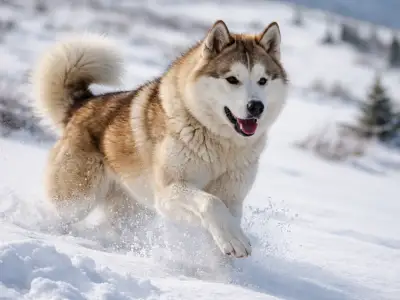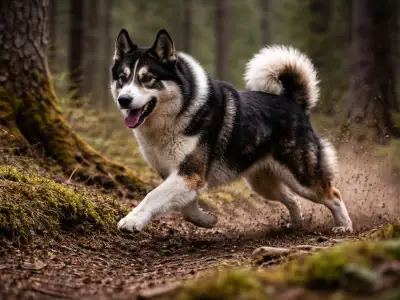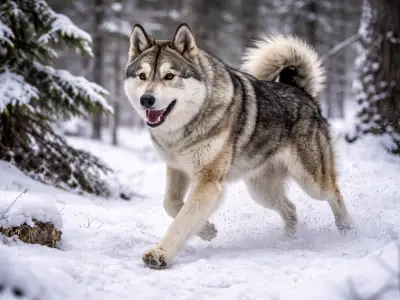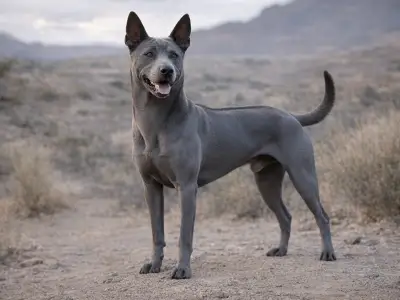
Norwegian Elkhound Grey
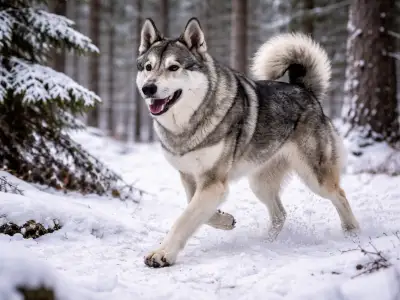
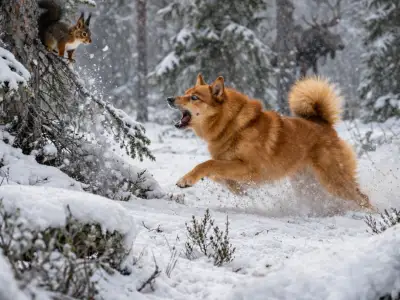
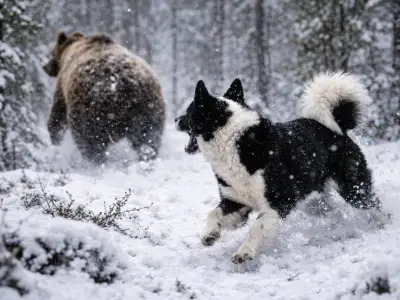
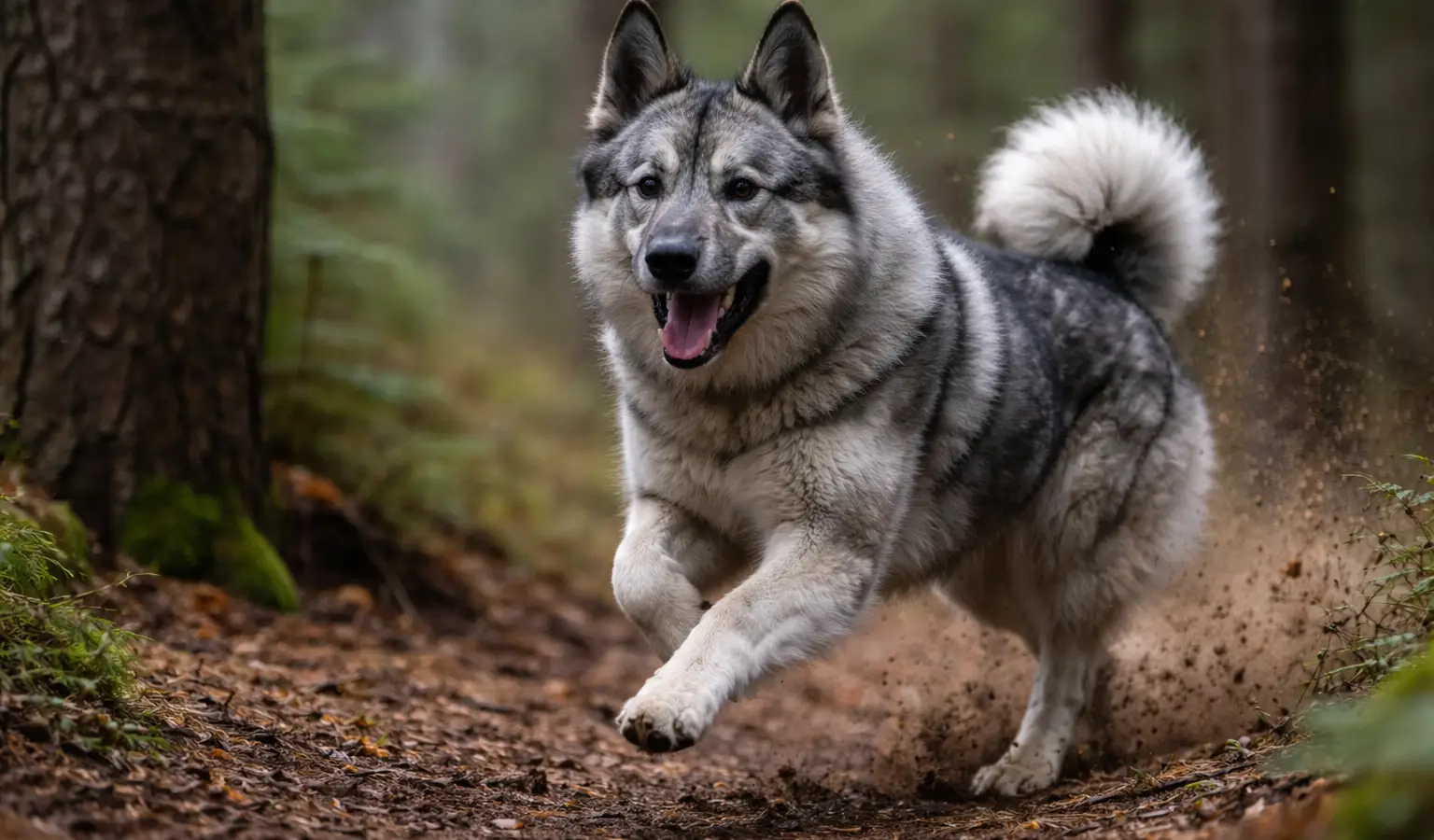
The Norwegian Elkhound Grey is a brave and energetic hunting dog, traditionally used for elk hunting.
Life expectancy
12 – 15 years
Price
1000 – 1800 €
Monthly budget
70 €
Size
Medium
Profile
Norwegian Elkhound Grey
Origin
Norway
Year of origin
1000
Developed by
Norwegian hunters
Size
Medium
Coat type
Double coat
Owner profile
Active owner
Hypoallergenic
No
Litter size
6
Life expectancy
12 – 15 years
Price
1000 – 1800 €
Female
- Height : 46 – 49 cm
- Weight : 18 – 22 kg
Male
- Height : 49 – 52 cm
- Weight : 22 – 25 kg
Temperament & abilities
Affectionate
4/5
Calm
3/5
Independent
4/5
Intelligence
4/5
Obedience
3/5
Hunting instinct
5/5
Energy level
4/5
Good with children
4/5
Dog-friendly
3/5
Friendly with strangers
3/5
Hunting profile
Stamina
5/5
Hunting drive
4/5
Independence
4/5
Trainability
3/5
Beginner-friendly
3/5
Family compatibility
4/5
Feather game
1/5
Fur game
4/5
Underground work
2/5
Water work
0/5
These indicators help compare breeds and choose the right one for your hunting style.
Game & abilities
Estimated ability level by game type.
Budget
Purchase price
1000 – 1800 €
The price may vary depending on the breeder, bloodline, and region.
Average monthly cost
70 €
Estimated average: food, healthcare, accessories, and grooming.
A capable hunting dog for moose work, with real everyday demands
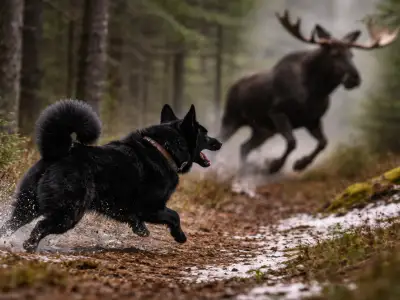
The Norwegian Elkhound Grey is a genuine hunting dog, especially valued for big-game work in Scandinavian-style hunting. It is best known for locating moose with its nose, moving through difficult ground with stamina, and then holding the animal at bay with persistent barking while the hunter approaches. In the right hands, it can be an impressive worker: hardy, brave without being reckless, and very well suited to rough terrain, cold weather, and long days outdoors. It is less coherent as a general-purpose gundog, and people looking for a soft, highly biddable all-round hunter may find other breeds easier to manage.
Its working style is typically independent. The breed is expected to search actively, use scent intelligently, and make decisions away from the handler rather than checking in constantly at close range. That independence is part of its value in hunting, but it also explains why handling can feel demanding. Recall and off-lead control usually require patient, consistent training, and even then the dog's hunting drive may remain strong. Trainability is real, but it is not the same as automatic compliance; this is a breed that often responds best to calm repetition, clear rules, and meaningful work.
For hunting use, the Norwegian Elkhound Grey makes the most sense for hunters who want a tough, weather-resistant dog with courage, endurance, and a practical nose for tracking and locating game. It is not primarily a retrieve specialist, and its natural strengths are not the same as those of a pointing dog or flushing spaniel.
- Best fit: moose and similar big-game hunting, tracking, and independent search in forested or rugged country
- Key strengths: stamina, cold tolerance, determination, vocal hold-at-bay work, and confidence in difficult cover
- Main demands: strong prey drive, moderate to high daily energy, steady training, and owners who accept a more self-directed working style
In everyday life, this balance matters. A Norwegian Elkhound Grey can be a loyal, lively companion, but it is usually not a low-maintenance pet. Many individuals need substantial exercise, mental occupation, and structure to settle well at home. For active households that genuinely enjoy outdoor life and understand primitive-leaning hunting temperament, the breed can be deeply rewarding. For mostly sedentary homes, or handlers wanting very close control and easy obedience, it may feel more intense than expected.
Big-game tracking nose
The Norwegian Elkhound Grey is valued first for its ability to locate and follow large game, especially moose. A good dog can sort out older scent, work changing wind, and keep contact with a moving animal over rough ground. For hunters who need a serious scent hound for forest hunting, this nose is one of the breed’s clearest strengths.
Stand-off barking work
One of the breed’s classic hunting qualities is its tendency to hold game at bay with persistent barking rather than rushing in recklessly. This can help the hunter locate the dog and approach the scene more efficiently. It suits traditional moose hunting well, though the quality of this work still depends on bloodline, maturity, and training.
Courage without constant handling
This is a notably bold spitz, bred to work around powerful game in demanding conditions. In the field, that often translates into confidence, initiative, and a willingness to keep working when the handler is not close by. It is especially attractive to hunters who want a dog that can make decisions alone, but it also requires calm, consistent control at home.
Forest stamina
The Norwegian Elkhound Grey is built for long outings in cold weather, steep country, and dense woodland. Its endurance is a real asset on hunts that involve hours of searching, tracking, and circling game. For active owners, this staying power is a major plus, but it also means the breed usually needs far more daily exercise and mental work than a casual pet home expects.
Sure-footed in rough terrain
This breed is generally agile and efficient over broken ground, scrub, wet forest, and uneven slopes. That practical mobility matters in real hunting conditions, where a dog must keep up the search without wasting energy. It is not just about speed; it is about balance, body control, and the ability to keep working effectively where heavier or less nimble dogs may struggle.
Independent but purposeful
The Norwegian Elkhound Grey is rarely a mechanically obedient hunting dog, and that is part of its working value. It was developed to range out, use its own judgment, and solve problems on scent. For experienced handlers, this independence can be an advantage in big-game hunting. For beginners, it may feel stubborn unless training is fair, structured, and started early.
Who the Norwegian Elkhound Grey suits best
The Norwegian Elkhound Grey tends to suit hunters who value stamina, independence, and a dog able to work in rough country with confidence. It often fits best with experienced or committed owners who enjoy regular outdoor life, structured training, and a breed with strong instincts rather than constant handler focus. In hunting homes, it is usually most appreciated by people who want a hardy Nordic hunting dog that can handle cold weather, cover ground, and still live closely with the family when its exercise and mental needs are taken seriously.
It is often less suitable for very sedentary households, first-time owners expecting easy off-lead reliability, or people wanting a highly biddable dog that trains like a classic gundog. Many Norwegian Elkhounds are alert, vocal, and quite self-directed, which can be charming in the right setting and frustrating in the wrong one. They generally do best with secure space, daily activity, patient handling, and owners who accept some independence as part of the breed’s character.
How a traditional Scandinavian moose dog shaped the breed seen today
Origin and development of the Norwegian Elkhound Grey
The Norwegian Elkhound Grey is an old Scandinavian hunting spitz developed in Norway for big-game work, especially on moose, which helps explain both its name and its modern character. Although enthusiasts often describe it as an ancient breed, the exact line of development is not perfectly documented in the way it is for some later, purpose-bred dogs. What is clear is that generations of Nordic hunters selected hardy, weatherproof, agile dogs able to track over rough ground, work independently, and hold game at bay by barking rather than simply charging in.
That history matters because the breed was shaped for practical field use, not just appearance. A good Norwegian Elkhound Grey needed stamina for long days, enough courage to face large quarry, and enough judgment to avoid reckless contact. This helps explain the breed’s typical blend of boldness, alertness, and self-reliance. In hunting terms, it has long been valued as a dog that can locate scent, follow game, and use voice effectively, often requiring the handler to trust the dog’s initiative. In family life, the same heritage can translate into a dog that is loyal and engaged but not always eager to obey mechanically.
As the breed became standardized in modern kennel culture, breeders worked to preserve the classic type: compact, robust, dense-coated, and suited to cold climates and demanding terrain. Even so, there can be meaningful differences between lines bred mainly for conformation and those kept close to working traditions. Prospective owners and hunters should keep that in mind, because the breed’s intensity, nose, barking tendency, and overall hunting drive may vary with breeding, early exposure, and training.
For today’s owner, the Norwegian Elkhound Grey’s past is still visible in daily life:
- Energy and stamina: it is usually better suited to active homes than sedentary ones.
- Independent mind: training often works best with consistency, variety, and fair handling rather than repetitive drilling.
- Vocal working style: its traditional use as a baying dog helps explain why some individuals are naturally expressive.
- Cold-weather resilience: the dense coat and tough constitution reflect its Nordic origins.
In practical terms, this is often a strong match for owners who appreciate a clever, busy hunting breed with real outdoor substance. It may be less straightforward for people expecting effortless off-lead reliability or a highly biddable, low-maintenance companion. Its history points to a dog bred to think, endure, and work close to wild game, and that background still shapes the breed’s temperament and handling needs today.
Ancient Nordic roots
The Norwegian Elkhound Grey is widely regarded as an old Scandinavian spitz-type hunting dog, closely tied to Norway’s rugged terrain and long hunting traditions. It was developed to work in forests and harsh weather, where stamina, courage, and a reliable nose mattered more than speed alone. That background still shapes the breed’s tough, practical character today.
Built to hold big game
This breed is best known for moose hunting, where the dog typically searches independently, finds game, and then uses barking to hold or indicate the animal rather than making a straightforward retrieve. That working style helps explain its confidence, vocal nature, and readiness to make decisions on its own, especially in outdoor settings.
Independent but loyal
The Norwegian Elkhound Grey often forms strong bonds with its family, yet it is rarely a soft or overly eager-to-please breed. Many individuals are alert, self-assured, and somewhat independent in training. This can be appealing for experienced owners who appreciate a capable dog, but it may feel challenging for people expecting instant obedience or constant handler focus.
Needs real activity
Daily life with this breed usually goes best when exercise has a purpose. Long walks, scent work, hiking, tracking, and structured outdoor time tend to suit it better than a quick yard break. Without enough physical movement and mental engagement, some dogs may become noisy, restless, or creatively stubborn around the home.
Best in cool, active homes
Its dense double coat and northern heritage mean the Norwegian Elkhound Grey generally handles cold weather well, but it is not an ideal match for a sedentary household or a hot climate with little outdoor access. Many do best with owners who enjoy regular countryside outings and can manage a vocal, watchful dog with clear routines.
Coat care is steady, not fancy
The coat is protective and practical rather than decorative, but it still needs regular brushing, especially during seasonal shedding periods. Grooming is usually straightforward if maintained consistently. Prospective owners should be comfortable with loose hair, muddy walks, and a dog that was bred for working conditions rather than spotless indoor living.
Practical answers on hunting ability, training, exercise, family life, housing, and owner fit.
Norwegian Elkhound Grey hunting and lifestyle FAQ
Is the Norwegian Elkhound Grey a good hunting dog for modern hunters?
The Norwegian Elkhound Grey is widely regarded as a serious hunting breed, especially for hunters who value stamina, independence, and a dog that can work in rough country. Traditionally associated with large game such as moose, it tends to rely on nose, endurance, and a bold but controlled working style rather than extreme speed alone. In practice, suitability depends a lot on bloodline, early exposure, and the kind of hunting you actually do. It often suits active hunters who appreciate a dog that can think for itself, but that same independence can feel challenging for someone expecting constant close handling.
Are Norwegian Elkhounds easy to train, or are they too independent?
They are trainable, but they are not usually the most eager breed for repetitive obedience work. Many Norwegian Elkhounds are intelligent, observant, and capable of learning quickly, yet they often respond best to fair structure, consistency, and training that has a clear purpose. Heavy-handed handling can reduce cooperation, while short, regular sessions with strong recall work and impulse control usually pay off better. For a first-time owner, the breed can be manageable, but it is generally easier with someone prepared for a dog that may question commands rather than obey automatically.
Can a Norwegian Elkhound Grey be a family dog as well as a hunting dog?
Often, yes, provided its exercise and mental needs are taken seriously. Many individuals can be affectionate with their family, steady in daily routines, and more versatile at home than people expect from a traditional hunting breed. That said, this is usually not a low-maintenance companion: it may be vocal, alert, and physically active, and it can become difficult to live with if under-stimulated. Families tend to do best when they enjoy outdoor life, set household rules early, and understand that a working-type dog still needs structure even when it is gentle at home.
How much exercise does a Norwegian Elkhound Grey really need every day?
This breed usually needs more than a couple of short walks around the block. A healthy adult often thrives on a mix of brisk walking, hiking, tracking-style activities, off-season conditioning, and regular opportunities to use its nose and brain. Simply letting the dog into a yard is rarely enough, because many Elkhounds need purposeful activity to stay settled indoors. Exercise needs vary by age and individual temperament, but most owners should expect a genuinely active dog that fits best with people who enjoy consistent outdoor time in all kinds of weather.
Can a Norwegian Elkhound Grey live in an apartment, or does it need a country home?
It can sometimes adapt to apartment life, but only if the owner is exceptionally committed to daily exercise, training, and calm household routines. The main issue is not just space inside the home; it is the breed's energy, alertness, and potential tendency to bark when bored or stimulated by outside activity. A house with secure outdoor access is often easier, especially for owners who want to give the dog frequent movement and scent-based enrichment. Country living can suit the breed well, but an inactive rural home is usually less suitable than an active urban owner who truly meets the dog's needs.
Is the Norwegian Elkhound Grey a good choice for first-time owners or beginner hunters?
It can be, but it is not the easiest entry point into either dog ownership or hunting dogs. The breed's strengths, such as toughness, initiative, and strong natural instincts, are also the traits that can make handling more demanding if the owner lacks consistency. Beginner hunters who are mentored, train regularly, and choose a good breeder or proven working lines may do well. For someone wanting an uncomplicated, highly biddable pet, there are often simpler options, but for an active owner who likes hardy northern breeds and accepts some independence, the fit can be very rewarding.
What kind of owner is the Norwegian Elkhound Grey best suited to?
This breed usually suits people who enjoy an outdoors-focused lifestyle and want a dog with real working character, not just a handsome northern look. Good matches often include hunters, hikers, and experienced active owners who appreciate resilience, weather tolerance, and a dog that is engaged with its environment. The best owners are typically patient, clear in their expectations, and realistic about recall, prey drive, and the need for ongoing management. It is often less suited to very sedentary homes, people who want off-leash reliability with little training, or households that prefer a quiet, soft, highly compliant dog.