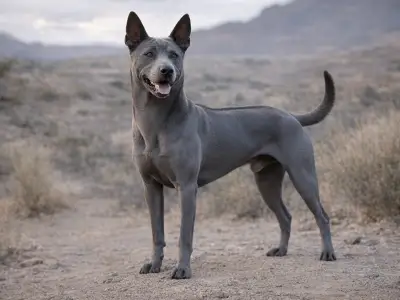
West Siberian Laika
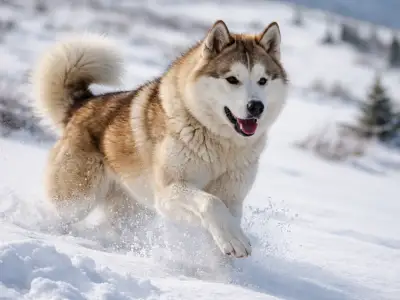
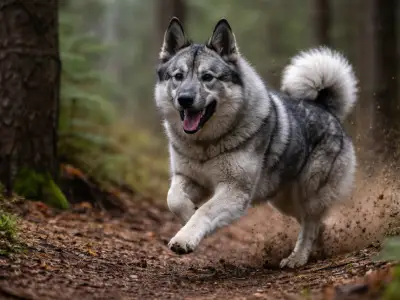
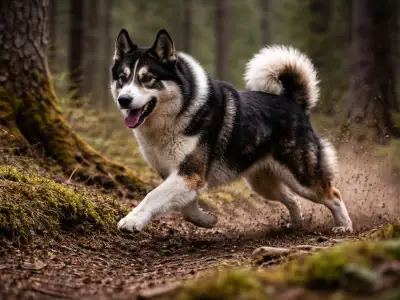
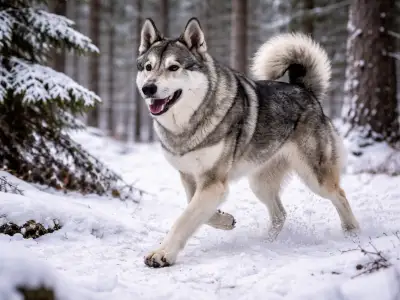
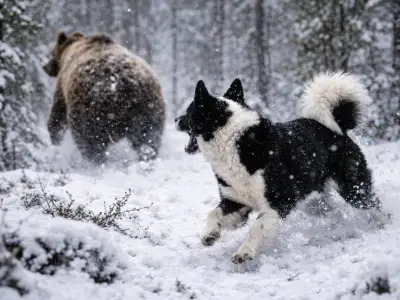
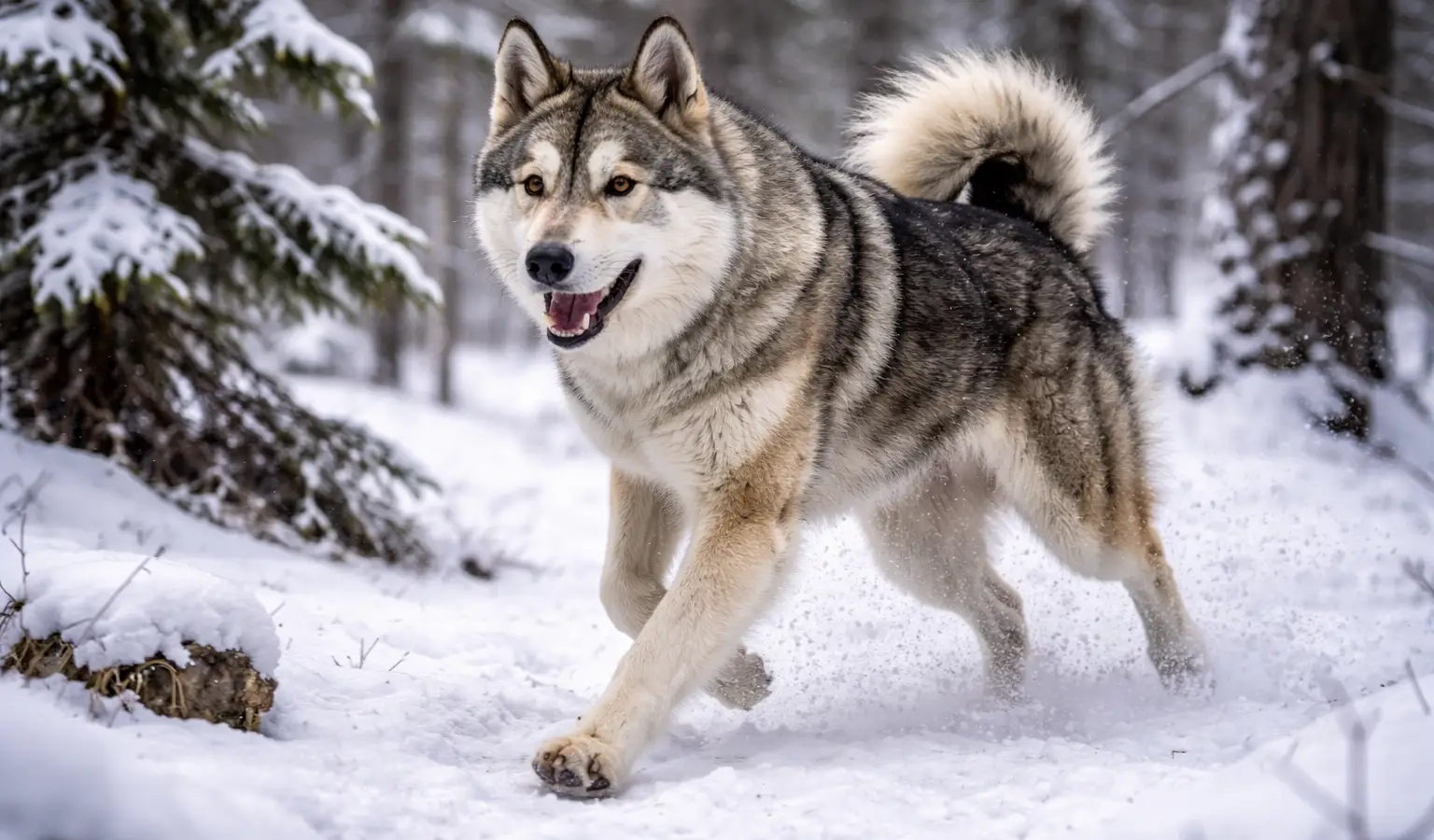
The West Siberian Laika is a versatile, resilient and independent Nordic hunting dog.
Life expectancy
11 – 14 years
Price
900 – 1600 €
Monthly budget
70 €
Size
Medium
Profile
West Siberian Laika
Origin
Russia
Year of origin
1947
Developed by
West Siberian hunters
Size
Medium
Coat type
Double coat
Owner profile
Experienced owner
Hypoallergenic
No
Litter size
6
Life expectancy
11 – 14 years
Price
900 – 1600 €
Female
- Height : 50 – 56 cm
- Weight : 18 – 22 kg
Male
- Height : 52 – 58 cm
- Weight : 20 – 25 kg
Temperament & abilities
Affectionate
3/5
Calm
3/5
Independent
5/5
Intelligence
4/5
Obedience
2/5
Hunting instinct
5/5
Energy level
5/5
Good with children
3/5
Dog-friendly
2/5
Friendly with strangers
2/5
Hunting profile
Stamina
5/5
Hunting drive
5/5
Independence
5/5
Trainability
2/5
Beginner-friendly
1/5
Family compatibility
3/5
Feather game
1/5
Fur game
4/5
Underground work
2/5
Water work
0/5
These indicators help compare breeds and choose the right one for your hunting style.
Game & abilities
Estimated ability level by game type.
Budget
Purchase price
900 – 1600 €
The price may vary depending on the breeder, bloodline, and region.
Average monthly cost
70 €
Estimated average: food, healthcare, accessories, and grooming.
A tough, independent northern hunter with real stamina and a demanding everyday profile
Is the West Siberian Laika a good hunting dog?
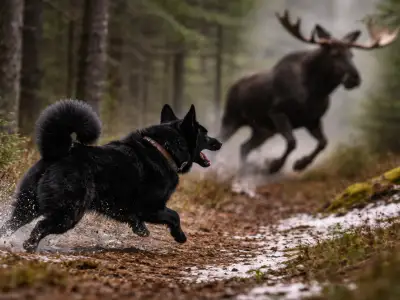
The West Siberian Laika is widely regarded as a serious hunting dog, especially for hunters who want a hardy, versatile spitz-type worker rather than a highly handler-focused pointing or retriever breed. In the field, it is valued for stamina, courage, a strong nose, and the ability to search actively in difficult terrain. It can be very effective on game such as squirrel, capercaillie, and sometimes larger quarry depending on local tradition, line, and training. For the right person, West Siberian Laika hunting ability is impressive; for the wrong home, the same independence can be difficult to live with.
Its working style is usually more autonomous than that of many continental gundogs. A West Siberian Laika often hunts with initiative, covering ground with purpose and using scent, hearing, and visual awareness in a practical way rather than waiting for constant direction. That can be a real strength in forests, rough country, and cold climates where endurance matters. It is not typically chosen for polished close handling, precision quartering, or a naturally soft, cooperative retrieve. Recall, responsiveness, and steadiness often require more patient training than with breeds developed for tighter handler control.
Temperament is a key part of the decision. Many West Siberian Laikas are alert, intense, and energetic, with a strong prey drive and a clear need for meaningful outlets. Trainability is real, but it often works best with calm consistency, repetition, and respect for the breed's independent mind. Heavy-handed handling can be counterproductive. This is usually a dog for an owner who enjoys building habits over time and who understands that reliable field behavior may depend greatly on bloodline, early socialization, and regular work.
- Best fit: active hunters wanting an enduring, game-driven dog for woodland or mixed terrain
- Main strengths: stamina, search drive, toughness, natural hunting instinct, confidence in rough conditions
- Main limitations: independence, variable retrieve instinct, demanding recall work, high daily energy
As a family companion, the balance is mixed. A well-bred, well-managed West Siberian Laika can be loyal and stable at home, but daily life is easiest when the dog has space, structure, and genuine physical and mental work. It is rarely the most convenient choice for a purely suburban pet home or for owners wanting an easy off-switch without effort. Compared with more biddable hunting breeds, it offers a distinctive working temperament: less polished, often more primitive in style, but potentially excellent for hunters who value resilience, initiative, and real field grit.
Game-finding nose
The West Siberian Laika is widely valued for its ability to locate game over large areas and difficult ground. It often works with an active nose while also using sight and hearing, which makes it effective in woodland hunting where scent conditions change through the day. For hunters, that usually means a dog that can search with purpose rather than drifting aimlessly.
Endurance in rough country
This is a tough, athletic hunting dog built for long outings in forest, marsh, and cold weather. Many individuals show notable stamina and recover well between efforts when properly conditioned. That endurance is one of the breed’s most practical assets, but it also means daily life is easier with owners who can provide serious exercise, not just short walks.
Bold at bay
A classic strength of the breed is its willingness to hold game at bay by barking and applying pressure without necessarily rushing in carelessly. In suitable lines and with sensible handling, this can make the dog especially useful on game that requires firmness and nerve. It is a quality that needs judgment, though, because too much hardness or too little control can create problems.
Versatile quarry range
The West Siberian Laika has a reputation as a versatile hunting spitz rather than a narrow specialist. Depending on country, bloodline, and training, it may be used on feathered game, fur-bearing game, and sometimes larger quarry. That flexibility appeals to hunters who want one dog for varied seasons, but performance can differ a great deal from one individual to another.
Independent field brain
This breed often makes decisions on its own when working away from the handler, which is a real asset in big terrain where the dog must range, locate, and react quickly. The flip side is that trainability is not the same as easy obedience. It usually suits handlers who appreciate initiative and can shape cooperation without trying to over-control every movement.
Clear voice on game
Its barking style is not just noise; in hunting, voice can be a practical tool. A good West Siberian Laika may use a clear, persistent bark to indicate located or held game, helping the hunter follow the action through dense cover. For working homes this is valuable, but future owners should remember that a naturally vocal hunting dog is not ideal for every household setting.
Who the West Siberian Laika suits best
The West Siberian Laika tends to suit experienced, active owners who want a real working dog rather than a decorative northern breed. It is often a strong match for hunters who value initiative, stamina, cold-weather toughness, and a dog able to work at some distance while staying mentally engaged with its handler. Daily life usually goes best with someone who enjoys long outings, structured training, and a dog with clear instincts, independence, and a serious need for purpose.
It is often less suitable for first-time owners, very sedentary households, or people expecting easy off-switch behavior in a small urban routine. A West Siberian Laika may also frustrate handlers who want constant obedience, minimal prey drive, or reliable freedom in unfenced areas without extensive training. In family life, it can work well in an active home that respects its energy and management needs, but common mismatches include homes with too little exercise, inconsistent boundaries, or owners drawn only to the breed’s wolfish look rather than its hunting mindset.
How a northern hunting dog’s history still shapes its instincts, independence, and daily needs
Origin and development of the West Siberian Laika
The West Siberian Laika originated in the forested regions of the Ural Mountains and western Siberia, where Indigenous and local hunting peoples relied on versatile spitz-type dogs to help them live and hunt in demanding conditions. Rather than being created as a highly specialized modern breed from the start, it appears to have developed from practical regional landraces selected for survival, stamina, sharp senses, and the ability to locate and hold game by voice. That background helps explain why the breed today is often valued less for polished obedience than for initiative, endurance, and a strong natural hunting style.
In Russia, the modern West Siberian Laika was refined more systematically during the twentieth century, when breeders and hunting organizations began grouping and standardizing several local laika types. Historical sources do not always agree on every line or regional influence, but the breed is generally associated with Mansi and Khanty hunting dogs from western Siberia. The goal was not to produce a purely ornamental spitz, but to preserve a working dog able to track, range intelligently through woodland, indicate game with a characteristic bark, and adapt to different quarry and terrain. That practical selection still shows in the breed’s alert expression, athletic build, weather-resistant coat, and high readiness to work.
Because it was shaped by real hunting use, the West Siberian Laika often combines close observation of its handler with a notably independent mind. Many individuals are affectionate with their family, but they are rarely soft, passive dogs. They tend to mature into active, self-directed companions that need meaningful exercise, outdoor time, and consistent training. For hunters, that can be a major strength: a good West Siberian Laika may quarter energetically, use nose and ears well, and stay mentally engaged in difficult country. For pet homes, the same traits can become challenging if the dog is under-stimulated, allowed to rehearse roaming, or expected to behave like a low-drive suburban companion.
This history makes the breed easiest to understand as a serious northern hunting dog that can also live closely with people, rather than a family dog that merely happens to enjoy hunting. It may suit owners who appreciate primitive breed traits, calm but firm handling, and a dog with both stamina and opinions. It is often less suited to households wanting effortless recall, low prey drive, or a dog content with a brief daily walk. The breed’s past does not dictate every individual temperament, but it gives a very useful guide to what many West Siberian Laikas are still like today: hardy, keen, vocal on game, and most convincing when they have a real job to do.
Born in the Siberian taiga
The West Siberian Laika developed in the forest regions of Russia, where hunters relied on tough, weather-resistant dogs able to work across vast wooded terrain. Rather than being shaped only for looks, the breed was valued for practical ability: endurance, sharp senses, independence, and the capacity to locate game in difficult northern conditions.
Selected for versatile hunting
This is a classic multipurpose hunting spitz, traditionally used on a range of quarry that could include fur-bearing game, forest birds, and sometimes larger animals depending on region, line, and handler. A good West Siberian Laika is expected to search actively, use scent and hearing well, and signal game clearly rather than simply chase without purpose.
Independent, not easygoing
The breed often combines strong attachment to its people with a notably self-directed mind. That can be appealing for hunters who appreciate initiative in the field, but it also means training usually works best with consistency, calm repetition, and fair boundaries. For many owners, this is not the most naturally compliant dog, especially if daily life lacks structure or purpose.
Needs space and real activity
Daily life with a West Siberian Laika is usually easiest in a rural or semi-rural setting. Most individuals need much more than short leash walks: they benefit from long outings, scent work, tracking-style games, and regular opportunities to use their brain and body together. Apartment life can be difficult unless exercise, training, and management are unusually solid.
A natural fit for active handlers
This breed generally suits experienced, outdoors-oriented people better than first-time dog owners looking for an uncomplicated family pet. It can live closely with its household, but it tends to thrive when its instincts are understood rather than suppressed. Hunters, serious hikers, and owners who enjoy training with purpose are often the most realistic match.
Practical care, heavy seasonal shedding
The coat is built for harsh climates and is fairly straightforward to maintain, but seasonal shedding can be substantial. Routine brushing helps manage loose hair and keeps the dense double coat in good condition. In everyday care, the bigger challenge is often not grooming but meeting the dog’s mental and physical needs so that frustration does not build at home.
Practical answers about hunting ability, training, family life, housing, exercise, and owner fit
West Siberian Laika hunting and lifestyle FAQ
Is the West Siberian Laika a good hunting dog for modern hunters?
The West Siberian Laika is widely respected as a versatile hunting spitz, especially by hunters who value an independent dog that can search actively and work with initiative. Depending on the line and training, it may be used for game such as squirrel, capercaillie, wild boar, or other quarry suited to local laws and traditions. Its strengths often include stamina, sharp senses, and the ability to work in difficult cover or cold weather. It is usually best matched with a handler who appreciates a dog that solves problems on its own rather than waiting for constant direction. For hunters wanting a highly programmable, close-working dog, another type may be easier to manage.
How easy is a West Siberian Laika to train for hunting and everyday obedience?
Training is often very possible, but rarely effortless. Many West Siberian Laikas are intelligent, quick to understand patterns, and capable of learning useful routines, yet they can also be strong-willed and less eager to obey mechanically than some more handler-focused hunting breeds. Clear rules, repetition, and calm consistency usually work better than pressure-heavy methods. Recall, lead walking, and impulse control deserve early attention because prey drive can be strong. In hunting work, progress often depends not just on training skill, but also on maturity, line, exposure to game, and the relationship between dog and handler.
Can a West Siberian Laika live as a family dog, or is it only for hunting homes?
A well-bred and well-managed West Siberian Laika can live with a family, but it is rarely a low-maintenance companion. Many individuals are loyal, alert, and closely bonded to their people, though they may be more reserved than overtly cuddly breeds. Daily life tends to go best in homes that respect the dog's need for structure, outdoor time, and meaningful activity. Small pets can be challenging because hunting instinct may remain strong, even with socialization. Families with older, dog-savvy children and an active routine are often a more realistic match than households looking for an easygoing indoor dog.
Is the West Siberian Laika suitable for first-time owners?
For most first-time owners, this breed can be demanding. The combination of energy, independence, vocal tendencies, and prey drive may surprise people who expect a dog that naturally checks in and accepts confinement without complaint. Success is more likely with beginners who already live an outdoor lifestyle, are committed to training, and are realistic about management rather than perfection. A novice hunter with guidance from experienced Laika people may do better than a casual pet owner with little time. In general, the breed suits confident, consistent handlers more than people seeking an easy first dog.
Can a West Siberian Laika live in an apartment or city environment?
Apartment life is possible in some cases, but it is not usually the easiest setup for this breed. A West Siberian Laika typically needs substantial daily exercise, chances to explore, and enough mental engagement to prevent frustration. Many are also alert and vocal, which can create tension in close housing if the dog is under-stimulated or reactive to outside noise. Secure management is important because curiosity and prey interest can encourage roaming. The breed generally fits better in a rural or semi-rural home with safe outdoor access, though good handling matters more than postcode alone.
How much exercise and stimulation does a West Siberian Laika really need?
This is usually not a breed that is satisfied with a brief walk around the block. Most West Siberian Laikas need vigorous physical exercise plus work for the brain, such as tracking games, structured training, long hikes, or hunting-related activity where legal and appropriate. Many owners find that free movement in a secure area, varied terrain, and purposeful outings help more than repetitive leash walks alone. Young adults can be especially intense if their needs are not met. If you want a calm house dog with modest exercise needs, this breed is often the wrong choice.
What kind of owner or hunter is the West Siberian Laika best suited to?
The breed tends to suit active people who genuinely enjoy living with a primitive-minded working dog rather than trying to turn one into a generic pet. It can be a strong match for hunters who want endurance, game awareness, and a dog capable of making decisions in the field. Outside hunting, it also suits committed outdoor owners who like hiking, training, and daily management with clear boundaries. It may be less suitable for highly social urban lifestyles, homes full of small animals, or owners who prefer automatic obedience. The best fit is usually someone who values character, resilience, and working ability as much as convenience.