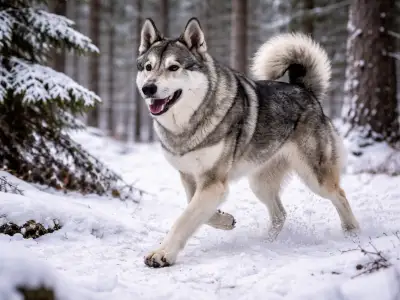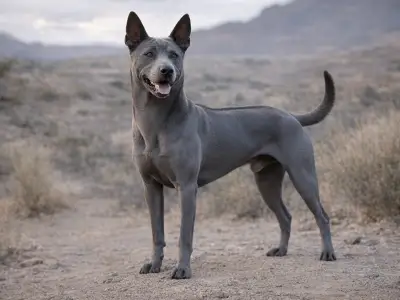
Greenland Dog
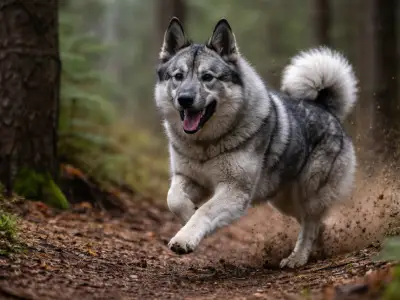
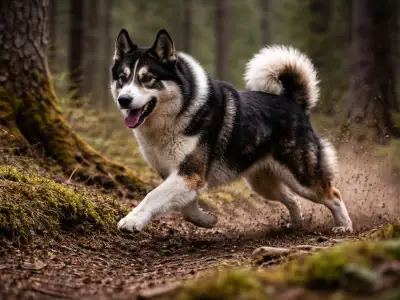
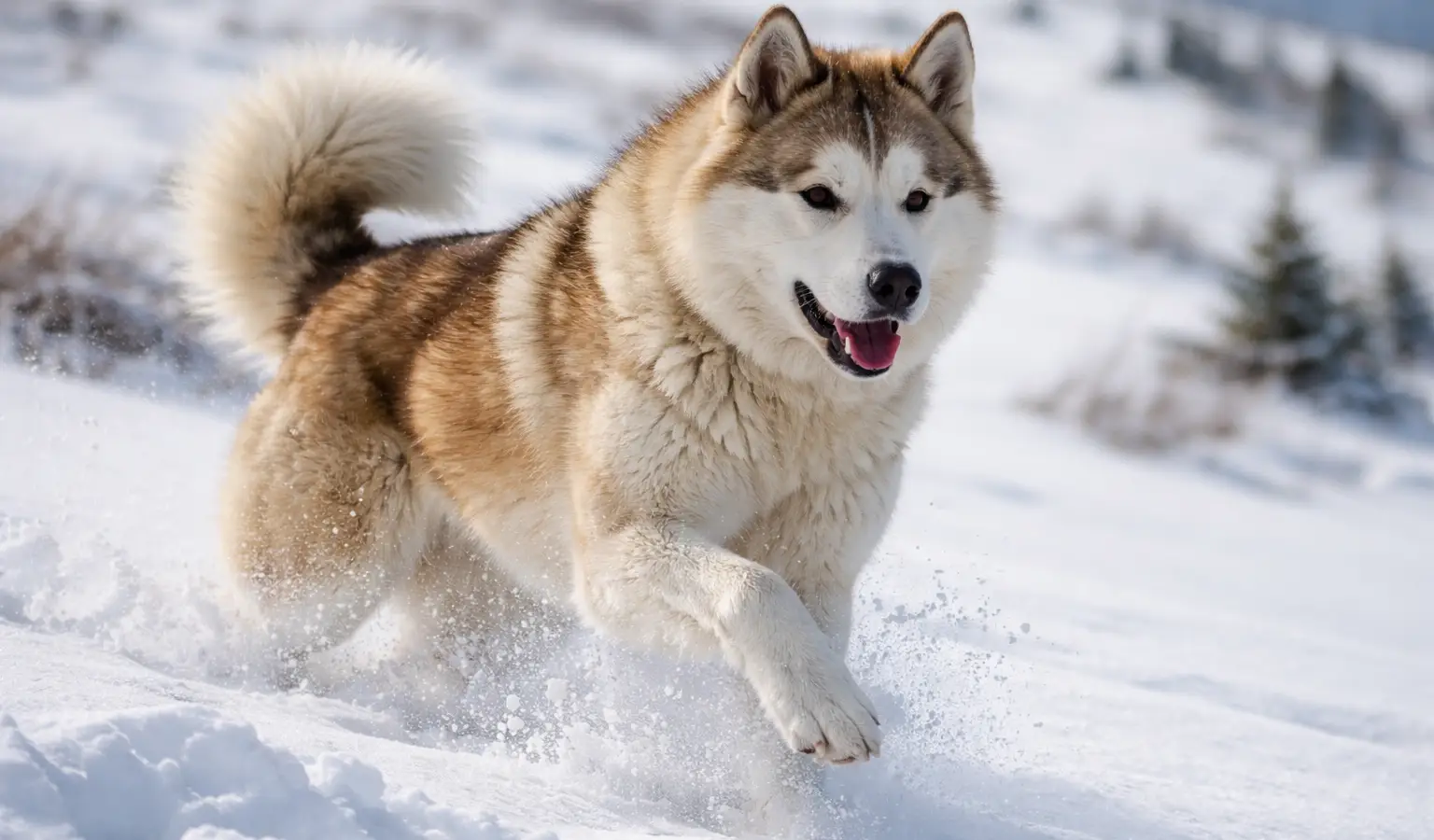
The Greenland Dog is a powerful and resilient sled dog, bred for extreme Arctic conditions and teamwork.
Life expectancy
10 – 13 years
Price
900 – 1600 €
Monthly budget
80 €
Size
Large
Profile
Greenland Dog
Origin
Greenland
Year of origin
1000
Developed by
Inuit people
Size
Large
Coat type
Double coat
Owner profile
Experienced owner
Hypoallergenic
No
Litter size
7
Life expectancy
10 – 13 years
Price
900 – 1600 €
Female
- Height : 50 – 60 cm
- Weight : 25 – 32 kg
Male
- Height : 55 – 68 cm
- Weight : 30 – 40 kg
Temperament & abilities
Affectionate
3/5
Calm
3/5
Independent
5/5
Intelligence
4/5
Obedience
2/5
Hunting instinct
4/5
Energy level
5/5
Good with children
3/5
Dog-friendly
4/5
Friendly with strangers
2/5
Hunting profile
Stamina
5/5
Hunting drive
3/5
Independence
5/5
Trainability
2/5
Beginner-friendly
1/5
Family compatibility
2/5
Feather game
0/5
Fur game
0/5
Underground work
0/5
Water work
0/5
These indicators help compare breeds and choose the right one for your hunting style.
Game & abilities
Estimated ability level by game type.
No species scores are available yet.
Budget
Purchase price
900 – 1600 €
The price may vary depending on the breeder, bloodline, and region.
Average monthly cost
80 €
Estimated average: food, healthcare, accessories, and grooming.
Power, endurance, independence, and the realities of living with a serious northern worker
Is the Greenland Dog a Good Hunting Dog?
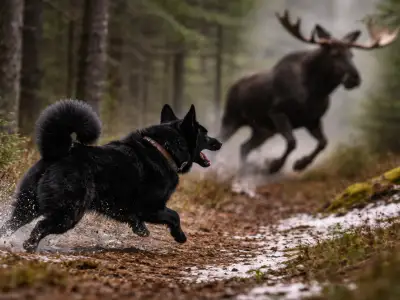
The Greenland Dog can be a capable hunting dog in the right context, but it is not a versatile, easy-to-handle hunting breed for most modern owners. Traditionally valued in Arctic conditions for hauling, survival work, and at times assisting in hunting around harsh terrain, this is a powerful, extremely hardy dog with remarkable stamina rather than a polished specialist for close handling, formal retrieves, or highly obedient field work. For someone asking about Greenland Dog hunting ability, the short answer is that the breed brings toughness, drive, and endurance, but also a very independent temperament that changes what kind of hunting use is realistic.
Its main strengths are physical resilience, cold-weather performance, and the ability to keep working for long periods without fading. The Greenland Dog is built for difficult ground, severe weather, and sustained effort. Temperamentally, many individuals show boldness and determination, and they may use nose and sight in a practical, natural way outdoors. That said, the breed's working style is often more self-directed than handler-focused. Compared with more biddable hunting dogs, recall, precision handling, and reliable off-lead control can be much harder to shape, especially where game scent, movement, or open country trigger the dog's instinct to range or pull away.
In practical terms, the most coherent use cases are rugged outdoor work in very cold climates, expedition-style travel, and homes that genuinely want a primitive northern working dog rather than a conventional gundog or all-round hunting companion. If your idea of a hunting dog includes steady retrieves, close quartering, soft mouth work, or frequent direction changes from the handler, this breed is usually not the obvious match. If, however, you value stamina, toughness, and a dog that can live and work in demanding northern conditions, the Greenland Dog has real strengths.
- Best assets: stamina, cold tolerance, toughness, courage, ability to keep going in harsh terrain
- Main limits: independence, variable trainability, difficult recall, less natural fit for retrieve-based work
- Handling profile: better with experienced owners who understand primitive dogs and manage freedom carefully
- Daily life reality: very high energy, strong need for activity, and usually a poor fit for sedentary homes
Training should be patient, structured, and realistic. This is not usually a breed that works best under heavy repetition or a purely obedience-first approach. Motivation, consistency, and secure management matter more than trying to force precision that may never become natural. For comparison shoppers, the Greenland Dog suits a small niche: experienced people drawn to authentic northern working dogs, with space, climate, and lifestyle to match. As a family companion, it can be loyal and impressive, but everyday life is easiest when its exercise load, independence, and working heritage are taken seriously.
Exceptional endurance
The Greenland Dog’s standout asset is stamina. Bred for hard work in severe northern conditions, it can keep going for long periods when weather, terrain, and cold would slow many other breeds. For hunters covering big ground or traveling by sled or on foot in harsh climates, that staying power is often its most practical advantage.
Cold-weather resilience
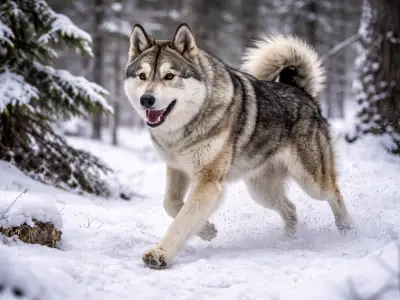
This is a dog built for freezing environments, with the coat, toughness, and mental durability to remain effective in snow, wind, and rough winter conditions. That does not automatically make every individual a hunting dog, but as a working type, the breed is notably suited to northern expeditions where cold resistance is a real performance factor.
Bold, committed worker
The Greenland Dog is often valued for courage and a direct, forceful approach to demanding work. Historically associated with tough tasks and large-game hunting contexts in Arctic life, it tends to show determination rather than softness. That said, this strength is best handled by experienced owners, because boldness without clear control can become difficult in the field.
Strong pack drive
Unlike many hunting breeds selected for close solo cooperation with a handler, the Greenland Dog often shines in a team setting. It is generally more at home working with other dogs, pulling together, traveling together, and maintaining effort as part of a group. For hunters or outdoorsmen used to independent gundogs, that pack-oriented mindset is an important difference to understand.
Best for transport and pursuit support
In hunting terms, the breed’s value is usually less about refined scent discrimination, retrieving, or delicate obedience, and more about power, movement, and support in extreme country. It may suit people who need a robust working dog for travel and demanding outdoor life, but it is not typically the first choice for modern versatile gun dog work.
Independent rather than highly biddable
A practical strength for some handlers is the breed’s ability to keep functioning without constant guidance, especially in physically difficult environments. The trade-off is trainability: Greenland Dogs are usually not known for the eager-to-please responsiveness seen in pointer, retriever, or spaniel breeds. They tend to suit confident, patient owners who respect a more primitive working mind.
Who the Greenland Dog suits best
The Greenland Dog tends to suit a very active owner who genuinely enjoys living with an independent, powerful northern breed rather than simply admiring the look of one. In a hunting context, it is usually a better match for people who value stamina, toughness in cold weather, and a dog with strong natural drive, but who are also realistic about primitive-breed traits such as self-direction, vocalization, and variable off-lead reliability. It often fits best with experienced handlers, rural households, and people who can give the dog purposeful exercise every day, not just occasional outings.
It is often a poor match for first-time owners, sedentary homes, warm-climate city living, or anyone expecting easy obedience and a low-maintenance family pet. This breed can be affectionate with its people, but daily life is easier when the household is structured, physically active, and comfortable managing strength, prey interest, and a dog that may test boundaries. If you want a highly biddable gundog or a relaxed apartment companion, the Greenland Dog is usually the wrong choice.
Origins and development of the Greenland Dog
The Greenland Dog is an old Arctic working breed shaped less by modern kennel fashion than by survival in one of the harshest environments on earth. It developed in Greenland alongside Inuit communities, where powerful, enduring dogs were essential for pulling sleds over long distances, transporting supplies, and assisting with hunting in ice and snow. Exact timelines are not always fully documented, but the breed is widely considered one of the oldest northern dog types still in use, and its history helps explain why it remains so independent, hardy, and intensely work-oriented today.
For generations, selection seems to have favored practical qualities above all else: stamina, cold tolerance, robust feet, physical toughness, and the ability to keep moving as part of a team in difficult conditions. That kind of utilitarian breeding usually produces a dog with impressive resilience, but not necessarily one bred to constantly seek human approval. In daily life, many Greenland Dogs show a strong pack instinct, a high threshold for discomfort, and a straightforward, sometimes stubborn working style. They tend to make sense in homes that value function, outdoor life, and clear structure more than easy obedience or a highly biddable temperament.
Its historical role was not that of a specialized pointing or flushing hunting dog, but of a versatile northern helper. Depending on region and era, these dogs could be involved in transport linked to hunting expeditions and may also have been expected to locate, pursue, or hold game in specific contexts. That background matters for modern owners: the Greenland Dog often brings strong prey interest, high energy, and a serious need for purposeful activity. It is generally better suited to experienced handlers, mushing enthusiasts, and very active rural owners than to people looking for a casual family pet.
The breed’s past also explains some of its limits. A dog developed to pull, travel, and function within a group in extreme conditions may be affectionate in its own way, yet still remain independent, vocal, and challenging off lead. Training can be rewarding, but it usually works best when it is consistent, fair, and grounded in real outlets for the dog’s drive. In other words, the Greenland Dog’s history is not just interesting background: it is the clearest guide to the breed’s present-day temperament, working style, and the kind of life in which it is most likely to thrive.
Deep Arctic roots
The Greenland Dog is an old polar spitz type linked to Inuit communities of Greenland, where dogs were valued above all for transport and endurance. Rather than being shaped for modern pet life, this breed developed in a harsh environment that favored toughness, weather resistance, and the ability to work in a team over long distances.
Selected to pull, not to please
Its history is tied to sled work, load pulling, and survival in extreme cold, which helps explain the breed’s strong body, stamina, and independent mind. Selection appears to have focused more on practical usefulness than on close handler responsiveness, so training often requires patience, consistency, and realistic expectations rather than a highly obedience-driven approach.
Pack-minded and strong-willed
Many Greenland Dogs are social within a canine group yet remain quite primitive in temperament compared with more biddable breeds. They can be affectionate in their own way, but they are not usually the easiest choice for owners seeking a constantly attentive companion. Their instincts, vocal nature, and self-reliance tend to suit experienced handlers better than beginners.
Built for cold outdoor life
This is generally a poor fit for warm climates, sedentary households, or tight urban routines. The Greenland Dog typically does best with space, cold weather, and a lifestyle that allows regular physical work. A large secure area helps, but space alone is not enough: without structured activity, many individuals can become frustrated, noisy, or destructive.
High daily workload
For daily life, think in terms of sustained effort rather than a short walk around the block. This breed usually needs serious exercise, mental occupation, and purposeful routines such as pulling sports, hiking, or demanding outdoor activity. People interested in a hunting dog should note that it is better known for northern working power and endurance than for versatile gun-dog style cooperation.
A demanding but impressive companion
The Greenland Dog can be deeply rewarding for owners who admire hardy northern breeds and can manage independence, strength, and seasonal coat care. It is usually not the easiest family dog for casual ownership, especially in mild climates. In the right hands, however, it offers authenticity, resilience, and a working-dog presence that few modern breeds still retain.
Practical answers about hunting ability, training, exercise, family life, housing, and owner fit
Greenland Dog hunting FAQ
Is the Greenland Dog a good hunting dog today?
The Greenland Dog comes from a hard-working Arctic background and usually retains strong physical toughness, stamina, and a marked prey drive. That does not automatically make every individual a polished hunting dog, because modern lines, early socialization, and training can influence how those instincts show up in the field. In practical terms, this breed may appeal more to experienced handlers who value endurance, resilience, and natural drive than to someone looking for an easy, highly biddable hunting partner. For many owners, it is better described as a primitive working dog with hunting potential than as a plug-and-play hunting specialist.
Can a Greenland Dog be trained off leash for hunting or outdoor work?
Off-leash reliability can be challenging with a Greenland Dog, especially once scent, movement, or wildlife triggers its instincts. Many individuals are independent thinkers and may not respond with the same precision expected from more handler-focused hunting breeds. Long-line work, recall conditioning, and repeated proofing in distracting environments are usually essential, and even then some dogs remain safest managed with caution. Owners who hunt or hike in game-rich areas often do best when they combine training ambition with realistic risk management.
How much exercise does a Greenland Dog really need every day?
This is generally a high-energy, high-endurance breed that needs far more than a short walk around the block. Most Greenland Dogs do best with substantial daily movement, such as long walks, pulling activities, structured running, backpacking, or other physically demanding outlets, along with mental work that prevents frustration. Without enough exercise and direction, they may become noisy, destructive, or difficult to manage in the home. People attracted by the breed's rugged appearance should be ready for a dog that often needs a serious working lifestyle, not occasional weekend activity.
Is the Greenland Dog easy to train for first-time owners?
For most first-time owners, this is not the easiest breed to start with. Greenland Dogs can be intelligent and capable learners, but they often show independence, persistence, and a lower desire to constantly check in with the handler than many more cooperative breeds. Training usually works best when it is calm, consistent, fair, and started early, with clear routines rather than repeated correction or force. A novice owner with excellent support and realistic expectations may manage well, but this breed usually suits people who already understand strong working dogs and can live with some stubbornness.
Are Greenland Dogs good family dogs with children and other pets?
With the right individual and a sensible household, a Greenland Dog can live as a loyal and steady family companion, but it is rarely a casual choice. Its size, strength, energy, and primitive instincts mean supervision around young children is important, not because the breed is necessarily unstable, but because rough movement and excitement can quickly become hard to manage. Around other pets, caution is wise, especially with small animals, as prey drive can be significant. Early socialization helps, yet management remains part of daily life for many owners.
Can a Greenland Dog live in an apartment, or does it need a house and yard?
A Greenland Dog is usually much easier to live with in a spacious home with secure outdoor access, but a yard alone is not enough. The key issue is not square footage by itself; it is whether the dog gets the daily physical work, structure, and environmental management this breed tends to need. In an apartment, the combination of power, activity level, vocal tendencies, and frustration from under-exercise can become difficult for both dog and neighbors. Most households will find the breed more realistic in a rural or suburban setting with room, routine, and serious exercise opportunities.
What kind of owner or hunter is the Greenland Dog best suited to?
This breed generally fits an experienced, active owner who respects primitive dog behavior and does not expect instant obedience. It is better suited to people who enjoy conditioning, outdoor life, strong canine personalities, and careful handling than to someone seeking a low-maintenance pet or a highly polished competition dog. For hunters, it may be most appealing where endurance, toughness, and natural drive matter, provided the handler is comfortable working with independence and managing recall limitations. In daily life, the best match is usually someone who wants a serious working companion and has the time to build structure around it.