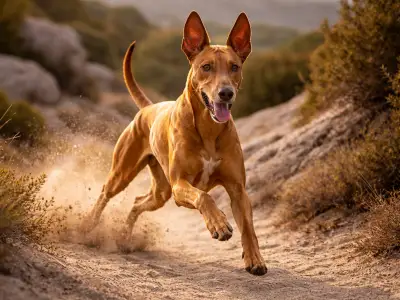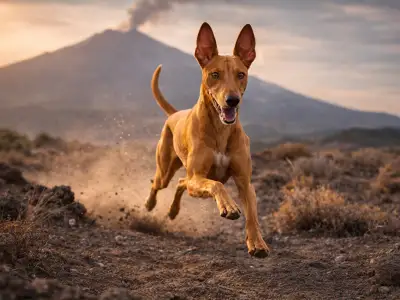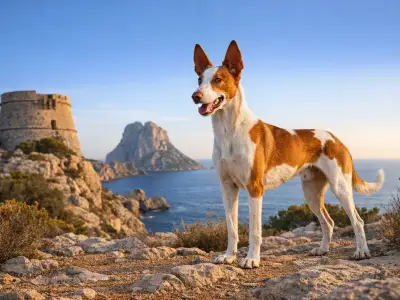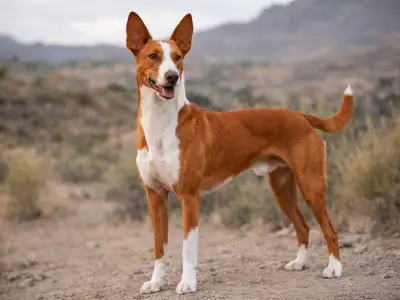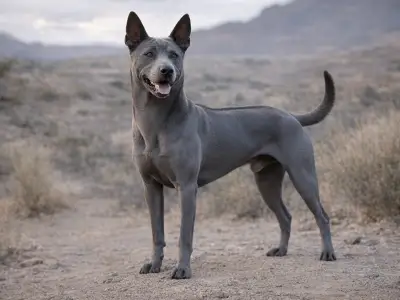
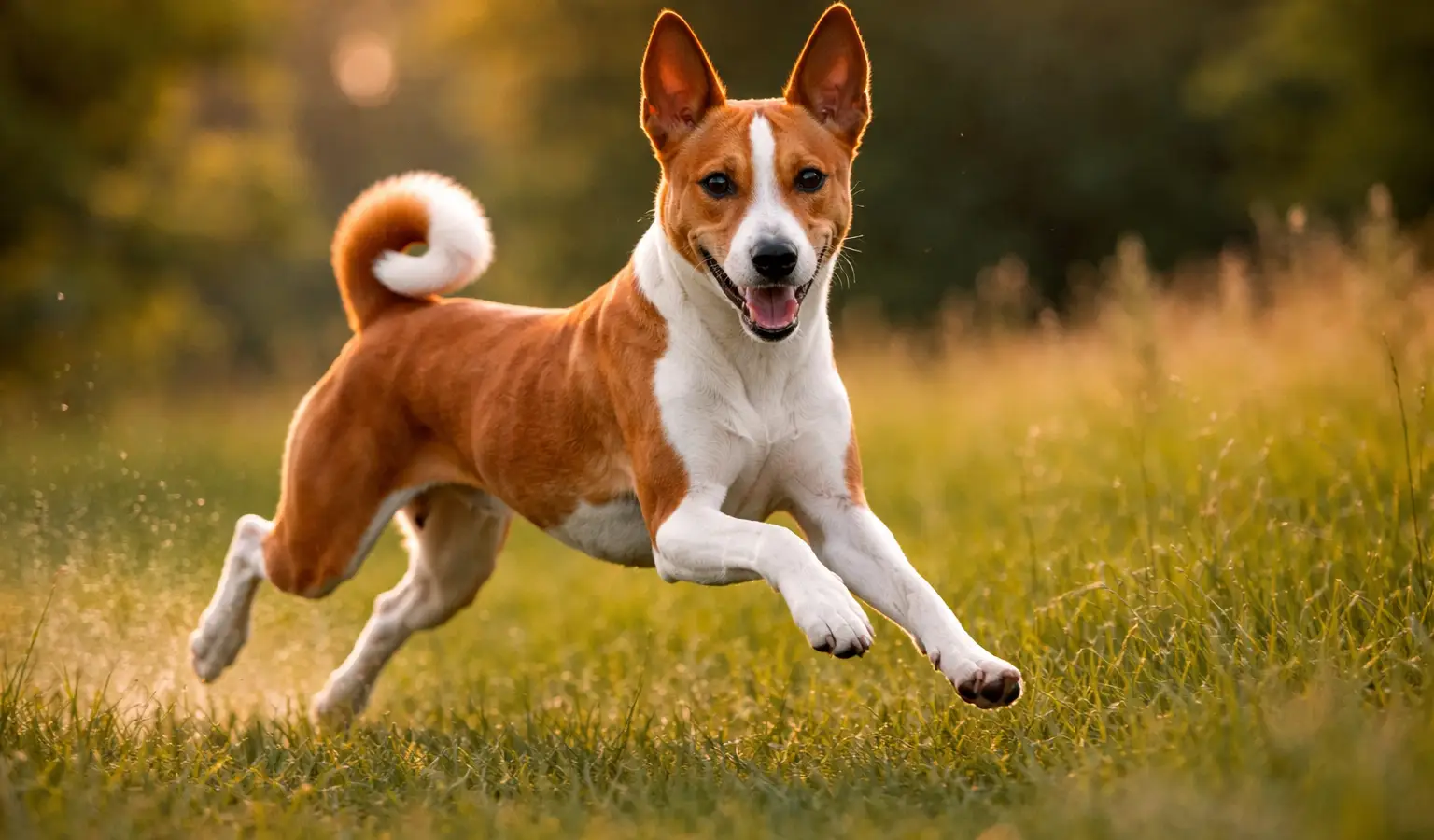
Basenji
The Basenji is a primitive African dog known for its silence and independence.
Life expectancy
12 – 16 years
Price
900 – 1600 €
Monthly budget
60 €
Size
Small
Profile
Basenji
Origin
Central Africa
Year of origin
1000
Developed by
African hunters
Size
Small
Coat type
Short coat
Owner profile
Experienced owner
Hypoallergenic
No
Litter size
4
Life expectancy
12 – 16 years
Price
900 – 1600 €
Female
- Height : 40 – 41 cm
- Weight : 9 – 10 kg
Male
- Height : 41 – 43 cm
- Weight : 10 – 11 kg
Temperament & abilities
Affectionate
3/5
Calm
3/5
Independent
5/5
Intelligence
4/5
Obedience
2/5
Hunting instinct
4/5
Energy level
4/5
Good with children
3/5
Dog-friendly
3/5
Friendly with strangers
2/5
Hunting profile
Stamina
4/5
Hunting drive
2/5
Independence
5/5
Trainability
1/5
Beginner-friendly
1/5
Family compatibility
3/5
Feather game
0/5
Fur game
0/5
Underground work
0/5
Water work
0/5
These indicators help compare breeds and choose the right one for your hunting style.
Game & abilities
Estimated ability level by game type.
Budget
Purchase price
900 – 1600 €
The price may vary depending on the breeder, bloodline, and region.
Average monthly cost
60 €
Estimated average: food, healthcare, accessories, and grooming.
What the Basenji can do in the field, where it shines, and what kind of owner it suits
Basenji hunting ability: agile, independent, and demanding to handle
The Basenji is a real hunting dog, but not in the way many modern gundog buyers expect. Traditionally associated with primitive hunting work, it tends to rely on speed, sharp senses, agility, and self-directed problem-solving rather than close, highly biddable teamwork. That means Basenji hunting ability can be impressive in the right context, especially for active search and pursuit over varied ground, but it is usually less suited to handlers who want a soft, easy-to-steer dog with a very reliable recall and a strong natural retrieve.
In practical terms, the Basenji often works with a lively, independent style. Many individuals show quick reactions, good stamina for their size, and the confidence to move through brush, rough cover, and uneven terrain without much hesitation. Their search pattern is not always tight or predictable, and handling can be one of the main challenges. A Basenji may notice game quickly and commit fast, which can be useful in some hunting situations but demanding if you need precise control at distance. Nose use varies by individual, yet the breed is generally better understood as a versatile, primitive hunter than as a specialist scent hound or polished retriever.
Training demands are significant. The breed is intelligent, but Basenji trainability often depends on motivation, consistency, and whether the dog sees a point in the exercise. Repetition for its own sake can lose them fast. Recall, steadiness, and off-switch behavior usually need patient work from an early age, and even then many owners manage the dog carefully rather than assuming perfect reliability around game. This is a breed for someone who respects independence and can build structure without constant conflict.
- Strengths: agility, quickness, athletic stamina, alertness, courage in rough ground, and a natural hunting mindset.
- Limitations: variable handling, selective recall, modest desire to retrieve in many lines, and less predictable close cooperation than more conventional hunting breeds.
- Best use cases: owners interested in primitive hunting breeds, active field work with realistic expectations, and experienced homes that can balance exercise, training, and management.
For everyday life, that balance matters just as much as field performance. A Basenji can be a fascinating companion for an outdoors-oriented owner, but it is rarely the easiest choice for a hunter who wants effortless obedience or an all-purpose shooting dog. It makes the most sense for people who genuinely appreciate the breed’s temperament: clean, alert, energetic, often affectionate in its own way, and distinctly independent. Compared with more handler-focused hunting breeds, the Basenji offers character and instinct in abundance, but it usually asks for more patience, more management, and a more flexible idea of teamwork.
Sharp game awareness
The Basenji is often valued for how quickly it notices movement, scent traces, and changes in its surroundings. Rather than working like a classic specialist scenthound, it tends to combine nose, sight, and fast reactions. In practical hunting terms, that can make it especially interesting in thick cover or mixed terrain where game may appear suddenly and a quick, alert dog has an advantage.
Agile in rough cover
Light, athletic, and quick on its feet, the Basenji can be very efficient in tangled brush, uneven ground, and warm conditions where a heavier dog may tire sooner. Its compact frame and nimble movement help it slip through cover and change direction fast. That agility is one of the breed’s clearest field assets, especially for hunters who want a small but active primitive hunting dog.
Good stamina for its size
Although it is not a large dog, a fit Basenji can show impressive endurance for its build. Many individuals keep working energetically over long outings if conditioning, weather, and footing suit them. This steady stamina is useful for owners who want a dog that can stay active beyond a short burst, but it also means daily life usually requires regular exercise and meaningful mental engagement.
Independent field mind
One of the Basenji’s most distinctive hunting traits is its independent decision-making. Historically, that self-directed style may have been useful when a dog needed to react quickly without waiting for constant instruction. For modern handlers, the same quality can be a strength and a challenge: the breed may work with initiative, but it usually responds best to patient training, consistency, and realistic expectations rather than heavy-handed control.
Fast reactions over formal retrieve
The Basenji is better known for pursuit, alertness, and quick problem-solving than for polished retrieving work. Some individuals can learn a useful retrieve, but it is not typically the breed’s standout hunting feature. This matters for buyer expectations: it may suit people looking for a lively, reactive hunting companion, while those wanting strong natural retrieve drive often prefer a more purpose-bred gundog type.
Best with experienced handlers
The breed’s hunting strengths tend to show best with owners who understand primitive dogs and can channel energy without trying to overpower personality. A Basenji may suit a hunter or active owner who values initiative, agility, and a more natural working style. It is usually less ideal for someone expecting constant biddability, close-contact obedience, or a highly standardized all-round hunting performance.
Who the Basenji suits best
The Basenji tends to suit an experienced, active owner who enjoys a clever dog with strong instincts, a light but athletic build, and a notably independent mind. In a hunting context, it is generally a better match for people interested in a small, agile, alert primitive hunting dog than for those expecting the biddability or close-working style of many gundogs. Daily life usually goes best with structured exercise, secure space, patient training, and realistic expectations about recall, prey drive, and problem-solving behavior.
This breed often fits households that appreciate a clean, lively, observant companion and can provide mental engagement as well as movement. It is usually less suitable for first-time dog owners wanting easy obedience, for homes that leave a dog bored for long hours, or for anyone expecting reliable off-lead freedom around wildlife without extensive work. A Basenji can be rewarding in the right hands, but it is often a mismatch for people who want a highly handler-focused dog, a soft-natured pleaser, or a low-effort family pet.
How an ancient Central African hunting dog shaped the modern Basenji
Basenji history and origins
The Basenji is widely described as an ancient African hunting dog, with roots most often linked to Central Africa, especially the Congo Basin. While some popular accounts push the story back to ancient Egypt, the clearest historical picture is that local hunting dogs of this type were developed over a long period for practical work: moving quietly through dense cover, using keen sight and scent, and working closely enough with people to help locate and drive small game. That background still helps explain the modern Basenji’s alert expression, quick reactions, independence, and distinctive, often quieter style compared with many scenthounds.
Rather than being shaped as a dog for long, highly vocal pursuit, the Basenji appears to have been selected for efficiency, agility, and self-reliance in difficult terrain. Hunters valued a compact, athletic dog that could navigate brush, spot movement quickly, and make its own decisions when game changed direction. In daily life today, that history often shows up as a dog that is intelligent and fast but not automatically eager to obey every cue simply to please. Many Basenjis learn well, yet training usually goes best with short, varied sessions, clear routines, and handlers who respect the breed’s independent mind.
The breed was introduced to Europe and later developed in the West during the 20th century, where breeders worked to preserve its unusual outline, curled tail, fine coat, and primitive-dog character. As with many old landrace-type dogs, exact early lineage is not perfectly documented, so it is sensible to avoid overly neat origin myths. What is consistent, however, is the picture of a lightly built hunting companion bred for function before fashion. That helps explain why the Basenji can be so clean, cat-like, agile, and environmentally aware, but also why it may be less straightforward for owners expecting the biddability of a retriever or spaniel.
For modern hunting-minded owners or active families, the breed’s history points to both strengths and limits. A Basenji can suit people who appreciate a watchful, energetic, clever dog with a natural tendency to scan, chase, and investigate. It is usually less suited to households wanting a highly compliant, off-switch companion with effortless recall. Its past as a practical village and hunting dog still echoes in the present: this is a breed that often thrives with secure space, daily movement, thoughtful handling, and owners who enjoy partnership rather than simple command-and-response training.
Ancient African roots
The Basenji is widely associated with Central African hunting dogs and is often described as one of the oldest recognizable dog types. It was developed for practical work rather than appearance alone, which helps explain its athletic build, alert expression, and efficient movement. Its history still shapes the breed today: independent, observant, quick, and highly responsive to the environment.
A sight-and-scent hunter
Unlike breeds that work in one narrow style, the Basenji has traditionally been valued as a versatile hunting dog that could use both vision and scent. In the field, this often translates into fast reactions, curiosity, and a tendency to range actively. For hunters and active owners, that means a dog with real initiative, but not always one that waits passively for constant direction.
Independent by nature
The Basenji is intelligent, but its intelligence often comes with a distinctly independent mind. Many individuals learn quickly yet may question repetition, heavy-handed handling, or training that lacks purpose. This breed usually responds best to calm consistency, fair structure, and short engaging sessions. People looking for automatic obedience may find the Basenji more challenging than more overtly biddable hunting breeds.
Clean, quiet, but not low-maintenance
Basenjis are often appreciated for their clean habits, short coat, and unusual vocal style, which is quieter than many other dogs even if they are not silent. That does not make them effortless house dogs. They still need supervision, mental stimulation, and a secure routine, especially when young, because boredom and opportunity can quickly lead to mischief or escape attempts.
Exercise with a purpose
This is an agile, energetic breed that usually does best with daily movement and meaningful activity rather than a brief walk around the block. Many Basenjis enjoy running, tracking games, lure-based play, and exploratory outings. A home that offers secure space, regular exercise, and outlets for problem-solving is often a much better fit than a sedentary lifestyle.
Best for engaged owners
The Basenji often suits people who appreciate primitive breeds, value canine character, and are willing to manage a dog that is clever, athletic, and sometimes selective in cooperation. It may fit an active family if expectations are realistic and training is ongoing. For first-time owners wanting an easygoing, highly compliant dog, the breed can feel more demanding than its neat appearance suggests.
Practical answers on hunting instinct, training, exercise, family life, and owner fit
Basenji Hunting & Daily Life FAQ
Is a Basenji a good hunting dog today?
The Basenji comes from old hunting stock and still tends to show strong prey drive, quick reactions, and a natural interest in movement and scent. In modern settings, that does not automatically make every Basenji an easy or versatile hunting partner, because the breed can be independent and may work in its own style rather than waiting for constant direction. Some individuals may do best in activities that channel chase, search, and tracking instincts rather than formal gun-dog work. For hunters, the breed is usually a better fit for someone who understands primitive dogs and values agility, alertness, and self-confidence over high handler dependence.
Can a Basenji be trained for recall and off-leash reliability around wildlife?
Recall with a Basenji often takes more work than with breeds bred for close cooperation, especially once rabbits, squirrels, or other fast-moving animals appear. Many owners can build a useful recall with consistent reward-based training, long-line practice, and careful proofing, but off-leash reliability in high-prey environments may remain limited in some dogs. This is a breed where management matters as much as training, so fenced areas and secure routines are often part of responsible ownership. A realistic owner plans for instinct, not just obedience, and treats dependable recall as an ongoing project rather than a one-time milestone.
Are Basenjis easy to train for first-time owners?
Basenjis are intelligent, but they are not usually described as easy in the way many first-time owners hope. They often respond best to short, clear sessions, strong motivation, and calm consistency, while repetitive drilling can make them lose interest quickly. Harsh handling tends to backfire, and overly casual training can leave gaps in manners, recall, and impulse control. A dedicated beginner can succeed, but the breed generally suits owners who are patient, observant, and comfortable living with a dog that thinks independently.
How much exercise does a Basenji need each day?
A Basenji usually needs more than a few brief walks, especially during young adult years when energy and curiosity can be high. Many do well with a mix of brisk walks, chances to run safely in enclosed spaces, training games, scent work, and problem-solving activities that prevent boredom. Mental work matters because an under-stimulated Basenji may invent its own entertainment through escaping, chewing, climbing, or raiding counters. The exact amount varies by age and individual temperament, but most owners should expect an active dog that benefits from structured daily outlets.
Can a Basenji live happily in an apartment or small home?
A Basenji can adapt to apartment life if exercise, supervision, and routine are handled well, but small housing does not reduce the breed's need for activity and mental engagement. They are often noted for being relatively quiet compared with many dogs, yet they are not effortless indoor companions if they become bored or frustrated. Owners in apartments need a strong plan for safe exercise, enrichment, alone-time training, and preventing escapes, since this breed can be agile and resourceful. In practice, a well-managed Basenji may do better in a small home with committed owners than in a large house with too little interaction.
Is the Basenji good with children and other pets?
With children, many Basenjis do best in homes where interactions are respectful, predictable, and supervised rather than chaotic. They can be affectionate and playful with their family, but they are not always as tolerant of rough handling or constant interruption as some more easygoing breeds. With other pets, early socialization helps, yet prey drive can make life with small animals more complicated, particularly with rodents, rabbits, or free-roaming cats. Compatibility depends a lot on the individual dog, the other animal, early experiences, and how carefully the household manages introductions and boundaries.
Who is the Basenji best suited for as a companion or hunting-oriented dog?
The Basenji is often best suited for owners who appreciate a clever, athletic, somewhat cat-like dog and do not expect automatic obedience. As a companion, it tends to fit active people who enjoy training, routine, and close supervision, and who are honest about prey drive and escape risk. For hunting-minded owners, the breed may appeal more to those interested in natural instincts, field curiosity, and old primitive type behavior than to people seeking a highly biddable all-purpose hunting dog. It is usually a stronger match for patient, engaged handlers than for owners wanting a simple, highly compliant first dog.