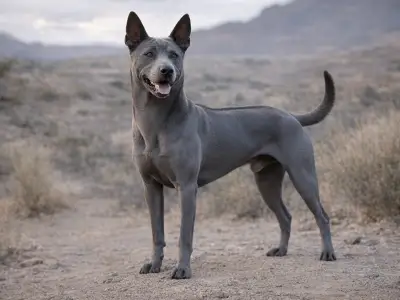
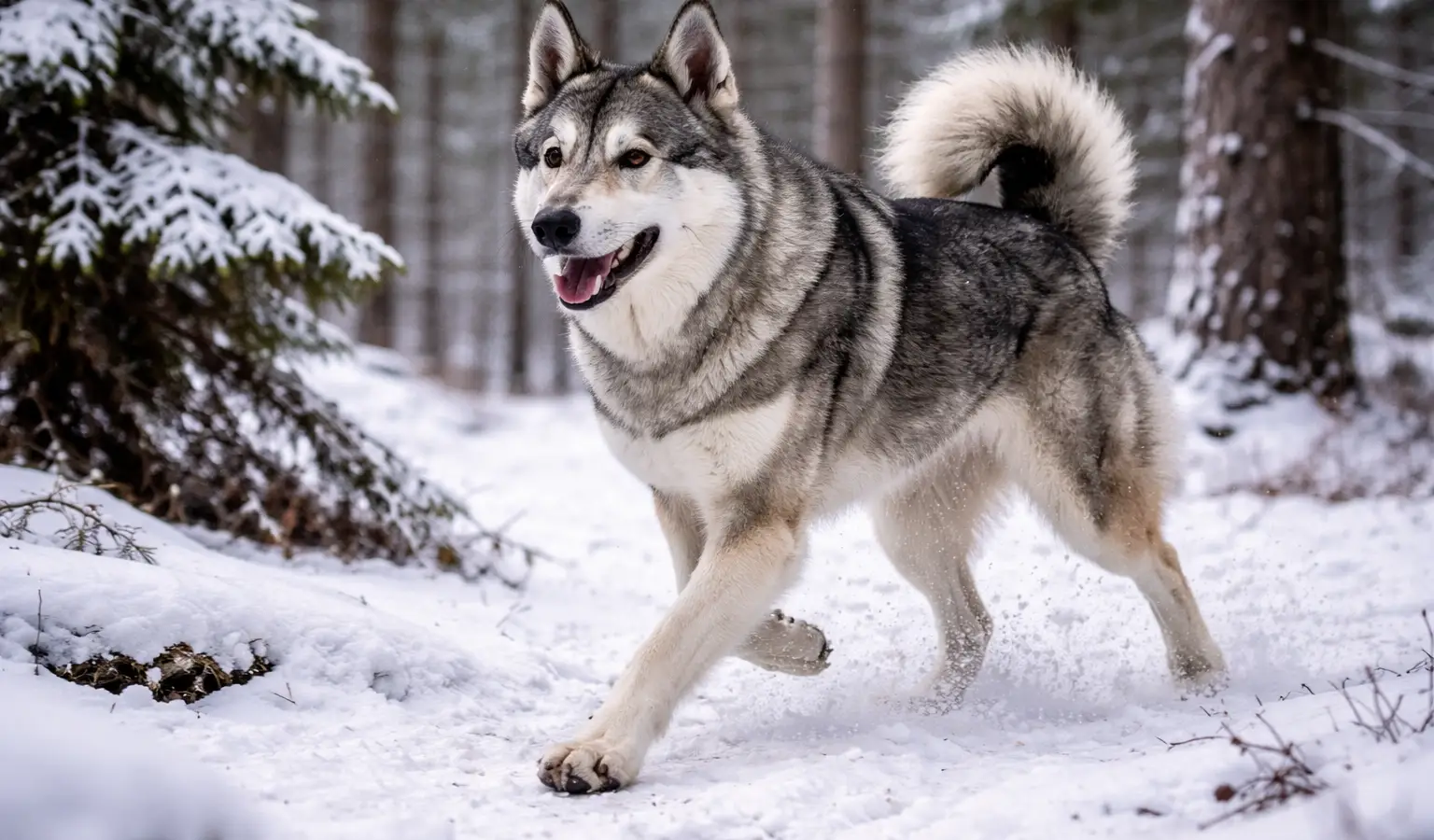
Swedish Elkhound
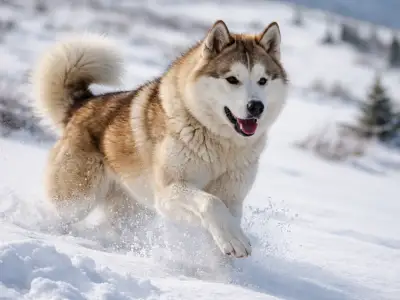
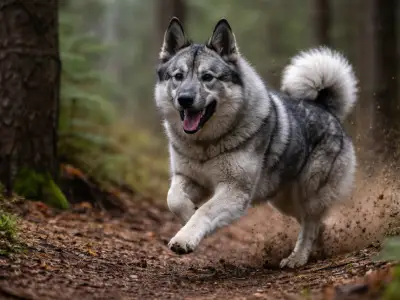
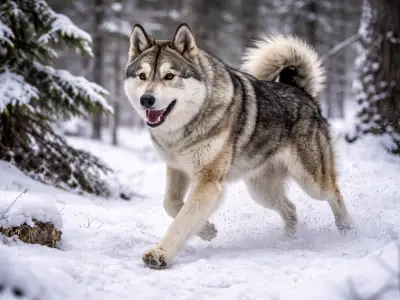
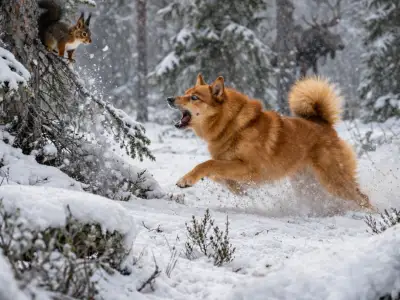
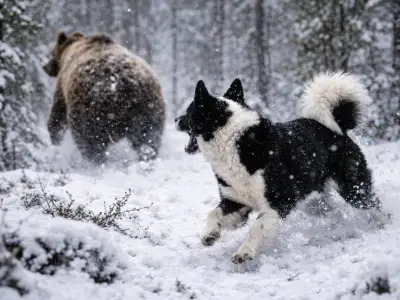
The Swedish Elkhound is a powerful and resilient Nordic hunting dog.
Life expectancy
11 – 14 years
Price
1000 – 1800 €
Monthly budget
75 €
Size
Large
Profile
Swedish Elkhound
Origin
Sweden
Year of origin
1946
Developed by
Swedish hunters
Size
Large
Coat type
Double coat
Owner profile
Experienced owner
Hypoallergenic
No
Litter size
6
Life expectancy
11 – 14 years
Price
1000 – 1800 €
Female
- Height : 58 – 63 cm
- Weight : 25 – 30 kg
Male
- Height : 60 – 65 cm
- Weight : 30 – 35 kg
Temperament & abilities
Affectionate
3/5
Calm
3/5
Independent
4/5
Intelligence
4/5
Obedience
3/5
Hunting instinct
5/5
Energy level
5/5
Good with children
3/5
Dog-friendly
3/5
Friendly with strangers
2/5
Hunting profile
Stamina
5/5
Hunting drive
4/5
Independence
4/5
Trainability
3/5
Beginner-friendly
3/5
Family compatibility
4/5
Feather game
1/5
Fur game
4/5
Underground work
2/5
Water work
0/5
These indicators help compare breeds and choose the right one for your hunting style.
Game & abilities
Estimated ability level by game type.
Budget
Purchase price
1000 – 1800 €
The price may vary depending on the breeder, bloodline, and region.
Average monthly cost
75 €
Estimated average: food, healthcare, accessories, and grooming.
A steady Nordic hunting dog with stamina, independence, and real working demands
Swedish Elkhound hunting ability and daily-life fit
The Swedish Elkhound is generally a capable hunting dog for large game work, especially for hunters who want a hardy spitz-type dog with stamina, a useful nose, and the confidence to work in difficult ground. In the field, its strengths usually lie in searching, locating, and holding game through persistent barking rather than in close, highly handler-dependent work. For the right owner, Swedish Elkhound hunting qualities can be impressive; for the wrong home, its energy level, independence, and need for meaningful activity may feel demanding.
Its working style is typically that of a Nordic hunting dog: methodical enough to cover terrain effectively, tough enough for rough weather, and mentally strong around big game. Many individuals are valued for courage, endurance, and the ability to keep game occupied without becoming chaotic. That said, this is not usually the easiest breed for someone wanting soft, instant obedience at a distance. Handling can be good when the dog is well bred and well trained, but recall and responsiveness often need serious early work, consistent repetition, and realistic expectations once prey drive is engaged.
Trainability is best understood as practical rather than biddable. A Swedish Elkhound often learns clearly and works honestly, but it may also think for itself. That makes it better suited to handlers who enjoy building habits over time than to those expecting retriever-like compliance. Daily life tends to go well when the dog gets regular physical exercise, structured training, and an outlet for its instincts. Without that balance, boredom can show up as vocal behavior, restlessness, or self-directed activity.
- Best use case: hunters focused on moose or similar large game in forested or rugged terrain
- Less ideal for: owners wanting a low-maintenance companion or highly polished off-lead precision
- Energy profile: athletic, durable, and usually happiest with frequent work or demanding outdoor life
- Temperament note: often steady and serious in the field, but independent enough to require patient handling
As a comparison breed, the Swedish Elkhound makes the most sense for people who value grit, stamina, and authentic hunting function over easygoing versatility. It can live well as a family dog in experienced hands, but it is rarely just a casual pet. The most coherent match is an active home, ideally with real hunting opportunities or a lifestyle that respects the breed's working temperament and need for purpose.
Built for moose work
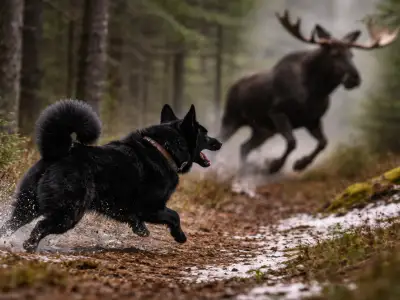
The Swedish Elkhound is best known as a big-game hunting dog developed for elk and moose hunting in Nordic conditions. Its style typically combines search, contact with game, and enough firmness to hold an animal’s attention without rushing in blindly. For hunters focused on moose, that specialization is one of the breed’s clearest practical strengths.
Strong ground coverage
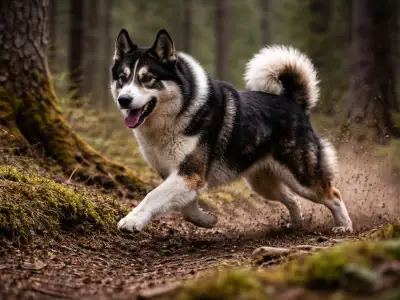
This is a hardy, athletic hunting spitz with the stamina to work for long periods in rough forest terrain. A good Swedish Elkhound can keep moving steadily through cold weather, uneven ground, and dense cover, which matters on long tracking days. That endurance also means it usually suits active handlers better than occasional weekend hunters.
Calm under pressure
One valuable quality in a moose dog is the ability to stay mentally composed when game is close, moving, or unpredictable. The Swedish Elkhound is often appreciated for focused, steady work rather than frantic overexcitement. In practical hunting, that can make the dog easier to read and more dependable when the situation becomes intense.
Nose for cold conditions
In the field, the breed is generally valued for using its nose efficiently in difficult weather and forest scenting conditions. It is not simply about raw drive; the useful trait is combining scenting ability with enough patience to work out a track. That can be especially helpful for handlers who hunt in colder, challenging Nordic-style terrain.
Independent, but workable
Like many Nordic hunting dogs, the Swedish Elkhound is not a soft, automatic obedience breed, but a well-bred and well-trained dog can be very functional with a clear, experienced handler. Its trainability is often best described as practical rather than flashy. Hunters who respect the breed’s independence usually get better results than those expecting constant close control.
Voice that helps locate game
When used in its traditional role, the breed’s barking can be a real hunting asset rather than a nuisance. A dog that gives voice clearly around held game may help the hunter judge distance, direction, and tempo in thick cover. For moose hunting in forest country, that audible contact can be one of the breed’s most useful working features.
Who the Swedish Elkhound suits best
The Swedish Elkhound tends to suit a hunter or outdoor owner who wants a tough, energetic Nordic hunting dog with real stamina and a strong independent streak. It is often a better match for people who enjoy long days in woodland, regular tracking or moose-oriented hunting, and a dog that works with initiative rather than constant handler direction. In daily life, the breed usually fits best with owners who can provide serious exercise, calm structure, and ongoing training instead of expecting effortless obedience.
It is often less suitable for very sedentary households, first-time owners looking for a highly biddable dog, or homes where the dog will spend long hours under-stimulated. Families can do well with the breed if they like outdoor life and understand that prey drive, vocal tendencies, and self-confidence may need thoughtful management. People wanting a quiet, low-maintenance companion or an off-leash dog that stays naturally close in all settings may find the fit more difficult.
- Best for: experienced active owners, hunters, rural or semi-rural homes, people who enjoy training and field work
- Less ideal for: apartment life without serious exercise, inconsistent handling, very hands-off households
How a Scandinavian hunting past shaped the breed seen today
Origin and development of the Swedish Elkhound
The Swedish Elkhound developed in Scandinavia as a specialist for demanding big-game work, especially elk in forested country where endurance, independence, and a steady nerve mattered as much as speed. As with several Nordic hunting breeds, its history is tied more to practical use than to early written records, so some details of its oldest development are not fully documented. What is clear is that the breed was shaped to locate game, work at distance from the handler, and keep enough composure to hold contact with large quarry without collapsing into panic or losing focus.
In Sweden, hunters needed a dog able to cover rough ground, read scent in difficult conditions, and operate in cold weather over long hours. That kind of selection tends to leave a strong mark on temperament. The modern Swedish Elkhound is often described as alert, tough, and self-reliant rather than overtly eager to please in the style of some gundogs. For owners, that historical background helps explain why training usually works best with consistency, repetition, and fair handling instead of heavy pressure. This is a breed that was expected to think for itself when the hunter was not standing a few steps away.
Its development also helps explain daily life with the breed outside hunting season. A Swedish Elkhound is generally not just an ornament for country living; it usually does best with meaningful activity, outdoor time, and a handler who appreciates an active, vocal, environmentally aware dog. The same qualities that make it useful in moose or elk hunting country can make it challenging for people wanting a highly biddable, low-maintenance companion. Energy, persistence, and a tendency to work independently are assets in the woods, but they need channeling at home.
For the right person, that heritage brings real advantages:
- Working stamina: often well suited to long outings in rough terrain and cold climates.
- Mental toughness: many individuals show resilience and steadiness when faced with pressure or difficult conditions.
- Practical hunting style: the breed's traditional role supports a dog that can search, assess scent, and stay engaged with game.
- Honest limitations: early and thoughtful training is usually important, because independence and prey interest can be strong.
Today, the Swedish Elkhound remains closely associated with hunters who value a traditional Nordic elk dog rather than a general-purpose pet. Bloodlines, upbringing, and training make a real difference, but the breed's history still shows through in its character: capable, hardy, and often most convincing in homes that understand why an old Scandinavian hunting dog was bred in the first place.
Nordic big-game roots
The Swedish Elkhound developed in Scandinavia as a spitz-type hunting dog used for moose and other large game in demanding forest conditions. Its build, weather-resistant coat, and alert temperament reflect life in harsh climates where stamina, independence, and sound judgment mattered as much as raw drive.
Bred to track and hold
Rather than working like a close, highly handler-dependent gundog, this breed was selected to search, pick up scent, follow game, and help hold it at bay with controlled barking. That background often produces a dog that can think for itself, work at distance, and stay focused when scent is strong.
Calm at home, serious outside
Many Swedish Elkhounds are steady and composed indoors once properly exercised, but they usually become far more intense outside where scent, movement, and wildlife are present. This contrast can suit owners who want a sensible house companion, provided they also respect the breed’s hunting instincts and need for purposeful activity.
Best with space and structure
This is rarely the easiest choice for a sedentary household or a home with very limited outdoor access. A rural or semi-rural setting often suits the breed better, especially when there are regular chances for long walks, tracking work, and controlled off-leash training where local laws and reliability allow it.
Independent but trainable
Trainability is usually real, but it often comes with a stubborn streak rather than automatic compliance. Swedish Elkhounds tend to respond best to clear routines, calm repetition, and relevant work. Harsh handling can be counterproductive, while inconsistent rules may encourage selective listening, especially in adolescence or around game scent.
Coat, exercise, and daily upkeep
The dense double coat is practical for cold weather but brings seasonal shedding and regular brushing needs. Daily life is generally easiest with owners prepared for physical exercise, mental engagement, and outdoor mess. For hunters, active country families, or experienced spitz owners, that workload can feel rewarding rather than excessive.
Practical answers on hunting ability, trainability, family life, exercise, housing, and owner fit
Swedish Elkhound hunting and ownership FAQ
Is the Swedish Elkhound a good hunting dog for modern hunters?
The Swedish Elkhound is generally valued as a serious working spitz for hunters who want endurance, initiative, and a dog able to operate in difficult terrain. It is most closely associated with big-game hunting traditions, especially moose work in Nordic conditions, where stamina, voice, and composure matter. In modern use, suitability depends a great deal on the individual dog, breeding, and how systematically it is started in the field. For hunters who want a highly handler-dependent dog working close at heel all day, this breed may feel more independent than expected. For hunters who appreciate a hardy dog with natural drive and are willing to shape that drive carefully, it can be a strong match.
How easy is a Swedish Elkhound to train for hunting and everyday obedience?
Training is usually best approached with structure, repetition, and calm consistency rather than force. Many Nordic hunting breeds are intelligent but not mechanically obedient, and the Swedish Elkhound can show that same independent streak, especially once scent and game enter the picture. Early recall work, leash manners, impulse control, and a reliable stop or check-in cue are especially important if the dog will hunt. In daily life, short focused sessions often work better than drilling, and motivation tends to improve when the dog understands the task and sees a clear payoff. A novice owner can succeed, but usually does best with realistic expectations and guidance from people familiar with hunting spitz breeds.
Can a Swedish Elkhound live as a family dog if it is not used for hunting every season?
It can, but only if its physical and mental needs are taken seriously. This is not typically a decorative companion breed that will be satisfied with a brief walk and a garden; it usually needs challenging exercise, purposeful outings, and regular engagement with its owner. In the home, many individuals are steady and manageable when well exercised, but under-stimulation can lead to vocalizing, restlessness, or self-directed habits. Families who enjoy outdoor routines, hiking, tracking games, and structured training often find the breed easier to live with than households looking for a low-maintenance pet. A hunting home is often the most natural fit, though not always the only workable one.
Are Swedish Elkhounds good with children and other dogs?
With sensible socialization and good household management, many can live well with children, especially in active families that understand dog boundaries. They often do best with older children who can interact calmly and predictably rather than treating the dog like a toy. Around other dogs, outcomes vary by temperament, sex, social experience, and day-to-day handling; some are sociable, while others can be more assertive or selective. Because this is a hunting breed with strong instincts, small pets may require extra caution and should never be assumed safe without careful supervision. As with many working dogs, compatibility is usually shaped as much by upbringing and management as by breed reputation alone.
Can a Swedish Elkhound live in an apartment, or does it need a rural home?
A rural setting often suits the breed naturally, but an apartment is not automatically impossible if the owner is exceptionally committed. The real issue is less square footage than daily outlet: this dog usually needs long walks, demanding exercise, scent work, and time outdoors in varied environments. Apartment living can become difficult if the dog is under-exercised, bored, or prone to vocal behavior, which some hunting spitz-type dogs can be. Access to safe training areas, regular off-property activity, and strong household routines matter more than simply having a yard. For most average pet homes, a house with outdoor access and an active lifestyle is the easier path.
How much exercise does a Swedish Elkhound need outside the hunting season?
Outside the hunting season, the breed still usually needs substantial work to stay balanced. A short stroll around the block is rarely enough for an adult dog of this type; most do better with a mix of brisk walks, hill work, free movement in secure areas, tracking-style games, and training that makes the brain work as well as the body. Exercise should not be only about intensity, but also about purpose, because many hunting dogs settle better when they have a task. Owners should also remember that fitness and drive often remain high even on non-hunting days. If you want a dog content with a mostly sedentary routine, this breed is unlikely to be the easiest choice.
Who is the Swedish Elkhound best suited to, and who should think twice?
This breed tends to suit active owners who enjoy the outdoors, value working instincts, and are comfortable living with a dog that may be capable, tough, and somewhat self-directed. It often fits hunters, trackers, and experienced dog people better than households wanting instant obedience or a very easy first dog. People who are away for long hours, dislike weather, or prefer a quiet, low-drive companion may find the breed demanding. It is also worth thinking twice if you cannot provide secure management around wildlife or if you expect reliable off-leash freedom with minimal training. In the right home, the Swedish Elkhound can be deeply rewarding, but it usually rewards involvement rather than convenience.