Cursinu
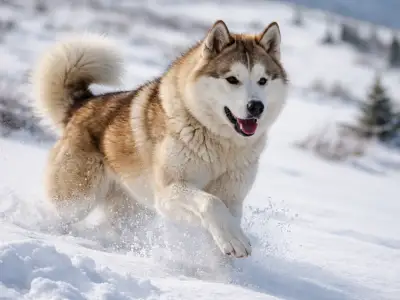
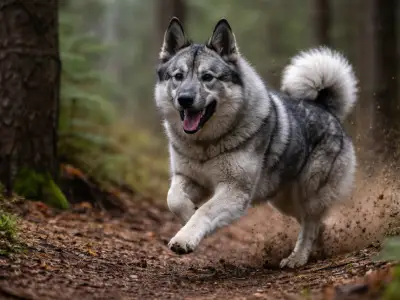
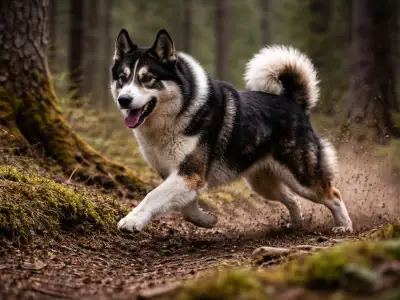
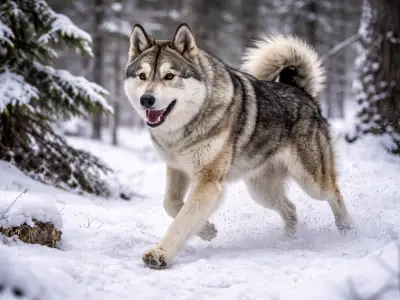
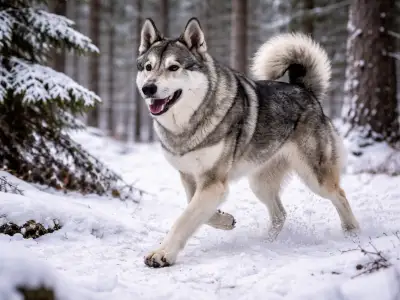
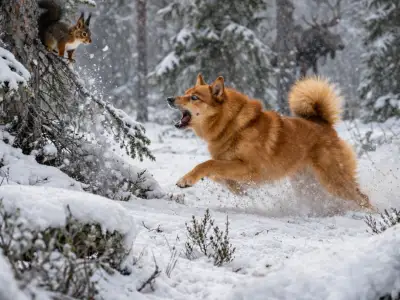
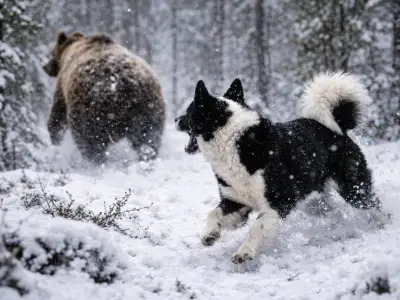
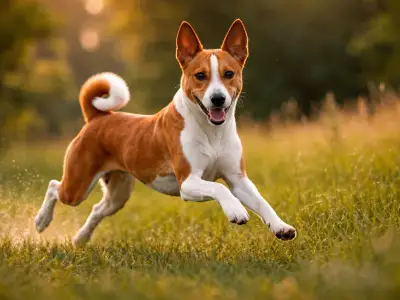
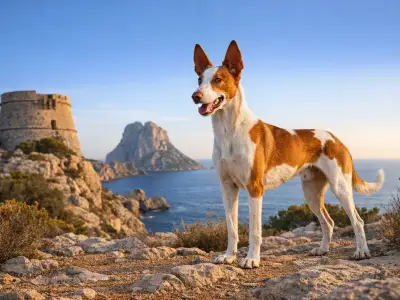
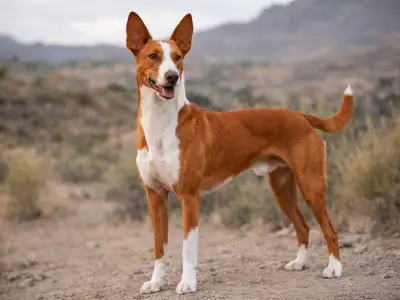
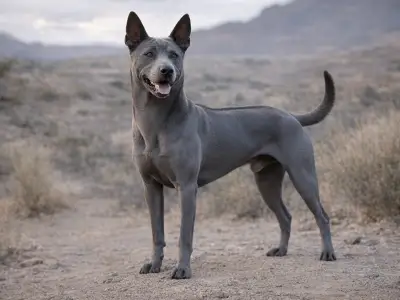
The Cursinu is a rustic and versatile dog originating from Corsica.

Life expectancy
12 – 15 years
Price
800 – 1400 €
Monthly budget
65 €
Size
Medium
Profile
Cursinu
Origin
France
Year of origin
2003
Developed by
Corsican breeders
Size
Medium
Coat type
Short coat
Owner profile
Active owner
Hypoallergenic
No
Litter size
6
Life expectancy
12 – 15 years
Price
800 – 1400 €
Female
- Height : 46 – 52 cm
- Weight : 18 – 25 kg
Male
- Height : 50 – 58 cm
- Weight : 20 – 30 kg
Temperament & abilities
Affectionate
4/5
Calm
3/5
Independent
4/5
Intelligence
4/5
Obedience
3/5
Hunting instinct
4/5
Energy level
4/5
Good with children
4/5
Dog-friendly
3/5
Friendly with strangers
3/5
Hunting profile
Stamina
4/5
Hunting drive
3/5
Independence
4/5
Trainability
3/5
Beginner-friendly
3/5
Family compatibility
4/5
Feather game
1/5
Fur game
4/5
Underground work
2/5
Water work
0/5
These indicators help compare breeds and choose the right one for your hunting style.
Game & abilities
Estimated ability level by game type.
Budget
Purchase price
800 – 1400 €
The price may vary depending on the breeder, bloodline, and region.
Average monthly cost
65 €
Estimated average: food, healthcare, accessories, and grooming.
A versatile, serious working dog best suited to active handlers who value initiative as much as control.
Is the Cursinu a good hunting dog?
The Cursinu can be a good hunting dog for the right person: it is generally valued for versatility, courage, stamina, and an alert, practical working style rather than for highly specialized field performance. In hunting terms, the breed is often associated with rough country, independent searching, and the kind of all-purpose usefulness that appeals to hunters who want one dog capable of adapting to varied terrain and tasks. It is not usually the first choice for someone seeking the polished pattern of a classic pointing dog or the extreme range of a specialist hound, but it can make a very coherent hunting companion when its natural instincts are developed carefully.
Its strengths tend to lie in resilience, agility, and a sensible balance between nose and initiative. A good Cursinu may work with determination in difficult cover, show real courage on challenging game, and keep going over long outings without becoming frantic. The search pattern is often more functional than flashy, with a breed tendency toward practical problem-solving rather than exaggerated style. Handling can vary by line and training, but many Cursinu are not dogs that hunt as mechanical extensions of the handler; they often think for themselves, which can be useful in the field and demanding at the same time.
That independent streak is a major part of the breed’s appeal and one of its main challenges. Trainability is real, but it usually responds best to calm, consistent education, clear recall work, and regular exposure to real-world situations. Heavy-handed training can dull cooperation or create conflict, while overly casual handling can leave the owner with a dog that makes too many decisions alone. For hunters, this means the Cursinu often suits experienced or at least engaged handlers who enjoy building teamwork, not people who want instant precision with minimal repetition.
- Best fit: active hunters needing a hardy, versatile dog for mixed terrain and practical work.
- Less ideal for: owners wanting a very biddable, highly specialized, or low-maintenance hunting breed.
- Daily life: usually needs substantial exercise, structure, and a job-like routine to stay balanced.
In everyday life, the same qualities that can make the Cursinu useful in the field also shape life at home. It is often an energetic, watchful, mentally present dog that needs purpose, not just a quick walk. With enough work, training, and clear boundaries, it may balance hunting ability with stable family life reasonably well, but it is rarely a casual pet for sedentary homes. For someone comparing hunting breeds, the Cursinu makes most sense as a tough, adaptable partner for an active household that genuinely wants to live with a working-minded dog.
Versatile island hunter
The Cursinu is often valued for its all-round usefulness rather than a single narrow specialty. Depending on line and training, it may be used for searching, flushing, tracking, and general rough-country hunting. That versatility appeals to hunters who want one practical dog able to adapt to changing game, terrain, and daily conditions.
Built for rough terrain
Originating from Corsica, the breed is commonly associated with sure-footed movement, physical toughness, and the ability to work in dry, uneven country. In practice, that can mean a dog that handles scrub, slopes, and broken ground with less hesitation than heavier or more delicate breeds, provided its conditioning is solid.
Independent field sense
A good Cursinu often shows useful initiative in the field. Rather than waiting for constant direction, it may range, investigate cover, and make practical decisions when game moves unpredictably. This can be a real strength for experienced handlers, though it usually works best when paired with clear recall training and steady early handling.
Endurance over long outings
The breed is generally appreciated for lasting power more than explosive speed. For hunters covering ground over several hours, that matters: a Cursinu may keep working with consistent intent instead of fading early. Daily exercise and gradual conditioning are important, because this kind of stamina is most useful when the dog is physically and mentally prepared.
Alert nose and game awareness
Many hunting-type Cursinu display strong environmental awareness, using scent and wind well enough to detect movement, old tracks, or hidden game in mixed cover. It is not always described in the same terms as a specialist scent hound, but in practical hunting it can offer valuable nose work combined with quick reactions and close reading of terrain.
Responsive with firm guidance
The Cursinu can be trainable and cooperative, but usually benefits from calm, consistent handling rather than repetitive drilling. Its working value often comes from balancing initiative with control. For hunters who enjoy shaping a thoughtful, athletic dog and maintaining regular engagement outside the season, that can be one of the breed’s most rewarding qualities.
Who the Cursinu suits best
The Cursinu tends to suit a hunter or active owner who wants a hardy, agile dog with strong initiative and the stamina for regular outdoor work. In practical life, this is often a good match for someone who enjoys training, hiking, tracking, and giving the dog a real job rather than expecting easygoing companionship by default. For hunting use, the breed may appeal most to handlers who value versatility, close cooperation, and a dog that can work varied terrain, especially when its education is consistent and thoughtful.
It is usually less suitable for very sedentary homes, first-time owners looking for a highly biddable dog, or households that leave a dog alone for long stretches with little mental outlet. A Cursinu can be rewarding in a rural or active setting, but daily life tends to go best with clear boundaries, regular exercise, and purposeful handling. Families can do well with the breed when they appreciate its energy and strong character, but common mismatches include owners who want a low-maintenance pet, minimal training, or an urban dog that is content with short walks only.
A Corsican working dog shaped by terrain, game, and practical selection
Origins and development of the Cursinu
The Cursinu is a traditional hunting dog from Corsica, where it developed less as a standardized show breed and more as a practical island worker. Historical sources on its earliest beginnings are not always precise, but the broad picture is consistent: local hunters kept and bred dogs that could cope with steep ground, thick cover, heat, scrub, and varied game. That history helps explain the modern Cursinu’s profile as a rustic, agile, adaptable dog with strong initiative and a serious working mindset.
For much of its past, the Cursinu seems to have been selected for usefulness rather than uniform appearance. In Corsican hunting culture, a dog needed stamina, footwork, nerve, and the ability to stay effective in difficult terrain. This type of selection often produces dogs that are alert, independent, and closely tuned to their handler without becoming mechanically obedient. In practical terms, many Cursini today still show that balance: they can be deeply loyal and engaged, but they may also think for themselves, which is valuable in the field and sometimes more demanding in everyday training.
The breed was traditionally associated with versatile hunting use, especially in rugged country where a flashy but fragile dog would struggle. Depending on line and region, Cursini have been used in ways that suggest a broad hunting aptitude rather than a narrow single-purpose role. That heritage is part of why the breed often appeals to hunters who want a hardy, mobile dog capable of working in real conditions, not just ideal ones. It also helps explain the breed’s energy level and need for meaningful activity: many individuals are not best suited to a purely sedentary pet life.
Its near disappearance during periods of social and rural change is also part of the story. As traditional ways of life shifted and outside breeds became more common, the old Corsican type reportedly declined. Breed preservation efforts in the late 20th century helped identify, recover, and stabilize the Cursinu, while trying to retain its functional character. That matters for owners today, because the breed’s identity is still closely tied to usefulness, resilience, and regional heritage rather than cosmetic uniformity.
For a modern owner, this history gives a practical clue about temperament and suitability. The Cursinu can suit an active hunter or experienced rural home looking for a hardy, devoted dog with natural initiative. It may be less straightforward for people expecting a highly biddable, low-maintenance companion. In many cases, the breed’s best qualities emerge with consistent handling, plenty of movement, and a lifestyle that respects what it was shaped to do.
Corsican roots
The Cursinu is closely tied to Corsica, where it developed as a versatile rural dog rather than a highly standardized show breed. It was traditionally valued for usefulness, adaptability, and resilience in demanding terrain. That background still shapes the breed’s image today: practical, athletic, and strongly connected to local hunting and farm life.
Selected for utility
Selection appears to have focused more on working ability than on uniform appearance for much of its history. Hunters and rural owners tended to keep dogs that could move well over rough ground, stay alert, and handle varied tasks. This helps explain why the Cursinu is often described as a rustic primitive hunting dog with functional instincts.
Independent but attached
A well-bred Cursinu is often described as loyal to its people while keeping a noticeable independent streak. This is not usually a dog that thrives on repetitive drilling or constant handling. It often responds better to calm, fair training, clear routines, and a handler who respects its intelligence without letting boundaries become vague.
Built for rough country
As a hunting dog from a rugged island environment, the Cursinu is generally associated with stamina, agility, and sure-footed movement. It tends to make most sense for owners who spend real time outdoors rather than those seeking a purely decorative companion. Secure space, regular exercise, and mentally engaging activity are usually important for balance.
Everyday care is simple
Coat care is usually straightforward, which suits the breed’s rustic profile, but easy grooming does not mean low commitment overall. The bigger needs are daily movement, training consistency, and sensible socialization from a young age. Without enough structure or outlets, an energetic Cursinu may become restless, overvigilant, or difficult to manage in the home.
Best with active handlers
The Cursinu often suits experienced or thoughtful owners who appreciate a primitive-type hunting dog with character, initiative, and working drive. It may be a good match for active country life, hunting households, or people who enjoy training with purpose. For very sedentary homes or owners wanting constant obedience, it can be a more challenging fit.
Practical answers for future owners, hunters, and active households
Cursinu hunting and family life FAQ
Is the Cursinu a good hunting dog for modern hunters?
The Cursinu is generally regarded as a capable hunting dog, especially when bred from working lines and given serious field experience. Traditionally associated with Corsica, it has been used as a versatile dog rather than a narrow specialist, which can appeal to hunters who value initiative, toughness, and adaptability. In practice, suitability depends a great deal on the individual dog, its nose, nerve, prey drive, and the quality of early training. For a modern hunter, the breed often makes the most sense in experienced hands that can shape natural ability without trying to suppress its independent streak.
What kind of game and hunting style does a Cursinu usually suit best?
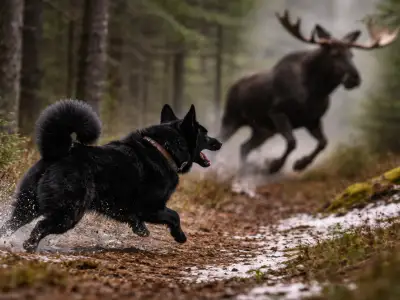
The Cursinu is often described as a multipurpose primitive hunting dog, and many people associate it with wild boar work, rough terrain, and demanding outdoor conditions. Depending on the dog and local hunting tradition, it may also be used more broadly, but it is not usually chosen by people wanting a highly standardized specialist with a very predictable working pattern. Its value often lies in resilience, alertness, and the ability to function in difficult country. Hunters who like a hardy, thoughtful dog with practical field sense may appreciate it more than those seeking a very mechanical, handler-dependent style.
Is the Cursinu easy to train, or is it too independent for most owners?
The breed is often considered intelligent and quite capable of learning, but easy is not always the right word. A Cursinu may respond well to calm, consistent training with clear rules, yet many individuals keep a degree of independence that can frustrate novice handlers expecting instant obedience. Recall, game control, and everyday manners usually need steady work from a young age, especially if prey drive is strong. This is often a better fit for an owner who enjoys building cooperation over time than for someone wanting a naturally compliant dog.
Can a Cursinu live as a family dog if it is not used for hunting?
A Cursinu can live as a companion in the right home, but it usually does best when life includes serious physical activity, mental work, and a sense of purpose. This is not typically the easiest choice for a low-energy household, because an under-stimulated dog may become restless, vocal, destructive, or overly self-directed. With thoughtful socialization and daily structure, many individuals can be loyal and stable with their family. The key question is less whether the dog hunts and more whether the owner can provide enough exercise, training, boundaries, and meaningful outdoor time.
Is the Cursinu good with children, strangers, and other dogs?
Temperament can vary, but the breed is often described as strongly attached to its own people and more reserved with strangers than a broadly social pet breed. With children in a respectful, well-managed home, some Cursinu dogs can do very well, though supervision and clear household rules remain important. Dog-to-dog compatibility may depend heavily on sex, socialization, maturity, and the individual dog's confidence and drive. People wanting an easygoing, instantly friendly dog for busy social environments may find the Cursinu more serious and selective than expected.
Can a Cursinu live in an apartment, or does it need a rural home?
A rural setting often suits this breed naturally, but a Cursinu does not automatically need a farm to live well. What matters more is whether the dog gets enough demanding exercise, off-property activity, training, and decompression time rather than being left to entertain itself. Apartment life can be possible for some individuals, but only if the owner is highly committed to structured daily outings and can manage alertness, frustration, and prey-driven behavior. For many households, a secure outdoor space and regular access to nature make day-to-day life easier.
Who is the Cursinu best suited for, and who should probably choose another breed?
The Cursinu is often best suited to experienced, active owners who appreciate functional dogs, enjoy training, and are comfortable with a breed that may think for itself. It can make sense for hunters, rural owners, and outdoors-oriented people who want a hardy companion with real working heritage. It is usually less suitable for first-time dog owners, highly sedentary homes, or people looking for a universally social, low-maintenance family pet. Anyone considering the breed should be realistic about energy, management, recall training, and the possibility that a rare working breed may be less predictable than a more standardized companion dog.