
Thai Ridgeback
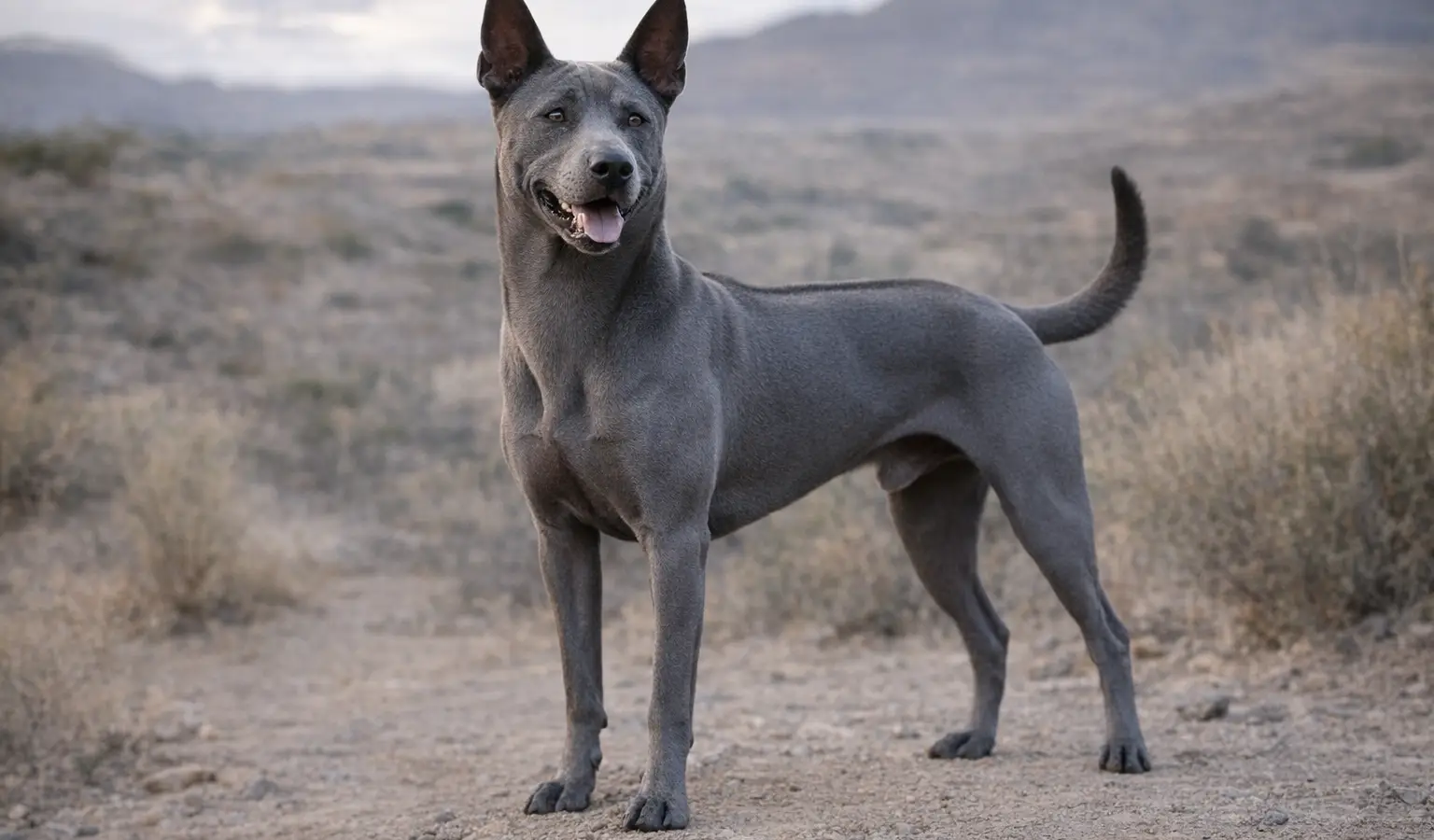
The Thai Ridgeback is a rare primitive breed recognized by the ridge of hair along its back. Athletic, protective and independent, it can be loyal with its family but reserved with strangers. Early socialization and consistent training are essential.
Life expectancy
12 – 15 years
Price
1200 – 2500 €
Monthly budget
70 €
Size
Medium
Profile
Thai Ridgeback
Origin
Thailand
Year of origin
1600
Developed by
Thai villagers
Size
Medium
Coat type
Short coat
Owner profile
Experienced owner
Hypoallergenic
No
Litter size
7
Life expectancy
12 – 15 years
Price
1200 – 2500 €
Female
- Height : 51 – 56 cm
- Weight : 20 – 25 kg
Male
- Height : 56 – 61 cm
- Weight : 23 – 30 kg
Temperament & abilities
Affectionate
3/5
Calm
3/5
Independent
5/5
Intelligence
4/5
Obedience
2/5
Hunting instinct
4/5
Energy level
4/5
Good with children
3/5
Dog-friendly
2/5
Friendly with strangers
2/5
Hunting profile
Stamina
4/5
Hunting drive
3/5
Independence
5/5
Trainability
1/5
Beginner-friendly
1/5
Family compatibility
3/5
Feather game
0/5
Fur game
0/5
Underground work
0/5
Water work
0/5
These indicators help compare breeds and choose the right one for your hunting style.
Game & abilities
Estimated ability level by game type.
Budget
Purchase price
1200 – 2500 €
The price may vary depending on the breeder, bloodline, and region.
Average monthly cost
70 €
Estimated average: food, healthcare, accessories, and grooming.
Primitive ability, real athleticism, and a strong independent streak
Is the Thai Ridgeback a good hunting dog?
The Thai Ridgeback can be a capable hunting dog in the right hands, but it is not the easiest or most versatile choice for most modern hunters. This is an athletic, alert, primitive-type breed with speed, agility, stamina, and notable courage, yet its working style is usually more independent than that of purpose-bred pointing, flushing, or retrieving breeds. For someone asking about Thai Ridgeback hunting ability, the honest answer is that it may suit certain practical hunting roles and rough terrain work, but it generally demands experienced handling, patient training, and realistic expectations about recall, cooperation, and retrieve.
In the field, the Thai Ridgeback tends to bring physical tools rather than polished specialist behavior. It often has quick reactions, good body control, and the toughness to move over difficult ground in hot climates. Depending on the individual dog and line, it may use sight and scent together rather than showing the methodical nose-driven search pattern many dedicated scenthounds or bird dogs offer. That can make it interesting for hunters who value a versatile, watchful dog with initiative, but less predictable for those who want a highly structured search, close handling, or a naturally reliable retrieve.
Temperament is a major part of the equation. The Thai Ridgeback is typically intelligent and trainable, but often in a selective, self-directed way rather than with automatic compliance. That affects handling in obvious ways: recall may need serious work, off-lead reliability cannot be taken for granted, and repetitive drilling may produce resistance instead of enthusiasm. Early socialization, clear boundaries, and regular impulse-control training matter as much as field exposure. This is usually a breed for calm, confident handlers who can channel energy without turning every session into a battle of wills.
- Strengths: athleticism, courage, agility, stamina, alertness, ability to cope with challenging terrain and active outdoor life
- Limitations: independent working style, variable retrieve instinct, potentially difficult recall, less natural team orientation than many classic hunting breeds
- Best fit: experienced owners wanting a primitive hunting dog or multipurpose outdoor companion, not a plug-and-play gundog
In everyday life, that balance matters just as much as field performance. A Thai Ridgeback usually needs substantial exercise, mental engagement, and thoughtful management to stay settled at home. It can live well as a family dog with the right structure, but it is rarely a low-effort companion. For readers comparing breeds, this dog makes most sense if you want a hardy, active, strong-minded partner with some hunting usefulness and a very distinctive temperament. If your priority is easy trainability, polished handling, or standardized hunting performance, there are usually more straightforward choices.
Fast, agile pursuit
The Thai Ridgeback is typically built for quick reactions, clean acceleration, and nimble movement over uneven ground. That athleticism can be useful in hunting situations that demand short bursts of speed, sharp turns, and confident footwork rather than heavy, plodding endurance. In practical terms, it often suits active handlers who value a light, responsive dog with real physical ability.
Bold but not careless
This breed is often described as brave and self-possessed, which can be an asset in difficult terrain or when facing pressure in the field. The best examples show nerve and determination without becoming reckless. That said, courage in a Thai Ridgeback usually needs experienced guidance, because a strong-minded dog can make its own decisions if handling is inconsistent.
Good heat tolerance
Coming from a hot climate, many Thai Ridgebacks appear more comfortable than heavier-coated breeds in warm conditions. For hunters working in heat, that can be a practical advantage, especially during active tracking or patrol-style outings. It does not make the breed tireless, but it may help it stay functional and willing when temperatures would slow down some denser, northern hunting dogs.
Independent field sense
One of the breed’s most distinctive qualities is its independence. In hunting terms, that can translate into a dog that notices movement quickly, scans its surroundings well, and does not rely on constant direction. The trade-off is obvious: this is rarely the easiest breed for novice trainers. It generally suits people who can shape initiative without losing control.
Alert sight and focus
The Thai Ridgeback often works more through alertness, visual awareness, and environmental sensitivity than through the classic image of a highly specialized scent hound. Many individuals are quick to pick up motion and changes around them, which can support watchful hunting work or multipurpose farm-dog roles. It is better seen as a versatile primitive hunter than a precision specialist retriever.
Best with skilled handlers
Its real hunting strength may be the combination of athletic ability, toughness, and strong instincts in the hands of an experienced owner. With thoughtful training, some Thai Ridgebacks can become effective practical hunting companions. Without structure, their independence can limit reliability. This is a breed for confident handlers who want character and working ability, not automatic obedience.
Who the Thai Ridgeback suits best
The Thai Ridgeback tends to suit an experienced owner who values an athletic, independent primitive-type dog rather than a highly biddable hunting companion. In practice, this breed often fits best with someone who enjoys structured daily exercise, calm but consistent training, and careful management of prey drive, recall, and social exposure. For active rural or semi-rural homes, the breed can make sense when the owner appreciates alertness, self-possession, and a dog that may think for itself instead of constantly looking for direction.
It is usually less suitable for first-time dog owners, low-activity households, or hunters wanting a soft, naturally cooperative dog that works closely and predictably under pressure. A Thai Ridgeback may also be a difficult fit in busy homes with little time for training, apartments without enough physical outlet, or multi-pet households where strong chasing instinct could create friction. The best match is often a confident, fair handler who wants a capable, watchful dog and accepts that compatibility depends heavily on individual temperament, early education, and day-to-day handling.
How an old landrace from Thailand shaped the breed’s instincts, independence, and modern role
Origins and development of the Thai Ridgeback
The Thai Ridgeback is generally understood to be an old native dog from eastern Thailand, especially areas that were historically more isolated from large-scale foreign breeding. Precise documentation is limited, so some parts of its early history remain uncertain, but most breed historians describe it as a practical landrace that developed through function rather than fashion. In that setting, dogs were valued for guarding property, traveling with people, and helping with local hunting, which helps explain why the modern Thai Ridgeback often combines athleticism, alertness, and a notably independent mind.
Its most distinctive physical trait, the ridge of hair growing in the opposite direction along the back, is shared with only a few other breeds worldwide. That feature makes the breed memorable, but the more important historical point is that this dog was shaped in a hot climate, on varied terrain, and under relatively hard conditions. Selection likely favored agility, self-preservation, quick reactions, and the ability to work without constant human guidance. In daily life today, that background can show up as a dog that is intelligent and capable, but not always eager to obey in the repetitive, highly biddable way seen in many modern gundogs.
As a hunting-type primitive breed, the Thai Ridgeback was not refined for the same style of cooperative field work as pointer, retriever, or scenthound breeds. Instead, it tends to suit people who appreciate a more self-directed dog with strong environmental awareness and a natural watchdog streak. For some experienced handlers, that can be a real strength: these dogs are often agile, fast, and mentally sharp. The trade-off is that training usually requires patience, consistency, and fair boundaries from an early age. Heavy-handed handling can easily damage trust, while under-training can leave the dog too self-employed for comfortable family life.
That history also helps explain why the breed can be rewarding but is not the easiest fit for every home. A well-bred, well-socialized Thai Ridgeback may be clean in the house, loyal to its people, and highly capable outdoors, yet it often does best with owners who understand primitive dogs, provide structured exercise, and respect the breed’s need for space and thoughtful handling. For hunting use, it is better seen as a regional working survivor with old instincts than as a universal specialist. For family life, the same heritage can produce a fascinating, devoted companion, provided the household is prepared for independence, energy, and a dog that usually prefers meaningful engagement over constant compliance.
Ancient Thai roots
The Thai Ridgeback is widely associated with eastern Thailand, where dogs of this type likely developed with relatively little outside influence for a long time. That background helps explain the breed’s primitive traits: self-reliance, sharp awareness of its surroundings, and a natural tendency to assess situations rather than automatically defer to people.
A natural hunting helper
This breed is often described as a multipurpose village dog that could guard property, alert to danger, and assist with hunting small to medium game depending on local needs. It is not a classic specialist gun dog. Instead, its working style tends to be agile, observant, and independent, which can appeal to hunters who value initiative but may challenge handlers expecting constant obedience.
Primitive mind, modern training
The Thai Ridgeback is intelligent, but intelligence here often comes with a strong will and a selective attitude toward repetition. Training usually goes best with calm structure, short sessions, and fair consistency rather than heavy-handed methods. Many individuals bond closely with their household, yet they may remain reserved with strangers and slower to mature than more biddable breeds.
Not a low-maintenance athlete
Its short coat is easy to keep clean, but daily life with this breed is not effortless. Most Thai Ridgebacks need meaningful exercise, space to move, and regular mental engagement to stay balanced. A quick walk rarely feels sufficient. Many do best with an owner who enjoys training, secure outdoor time, and close supervision around wildlife because prey drive can be quite strong.
Best for experienced homes
This is usually not the easiest choice for a first-time dog owner. The breed often suits people who appreciate independent dogs, understand boundaries, and can manage a watchful, physically capable companion without turning daily life into a power struggle. In family settings, success often depends on early socialization, respectful handling, and realistic expectations about sensitivity and territorial instincts.
Distinctive ridge, distinctive character
The ridge along the back makes the Thai Ridgeback instantly recognizable, but the breed’s identity is about more than appearance. Its real signature is the combination of athleticism, alertness, and emotional independence. For the right owner, that can feel deeply rewarding. For the wrong one, it can feel demanding, especially if they expect an easygoing dog that lives to please.
Practical answers for people considering the Thai Ridgeback as a hunting companion or household dog.
Thai Ridgeback FAQ: hunting, training, and everyday life
Is the Thai Ridgeback a good hunting dog?
The Thai Ridgeback comes from a primitive working background, and many individuals retain strong prey drive, sharp awareness, and a naturally watchful temperament. That can make the breed interesting for certain hunting-related tasks, especially where independence, agility, and stamina matter, but it is not usually the first choice for people wanting a highly cooperative, specialized gundog. A lot depends on bloodline, early socialization, and training, because some dogs will show strong hunting interest while others are more useful as alert, versatile companions. In practice, this breed tends to suit experienced handlers who understand how to manage instinct rather than rely on automatic obedience.
Can a Thai Ridgeback be trained for hunting work or tracking?
A Thai Ridgeback can often learn tracking games, scent work, and practical field skills, but training usually needs patience and realistic expectations. This is an intelligent breed, yet it often thinks independently and may not respond with the eager, repetitive compliance seen in more handler-focused hunting breeds. Short, consistent sessions with clear rewards usually work better than heavy correction or drilling. For hunting use, recall, impulse control, and steady exposure to different terrain and distractions are especially important, because instinct can easily outrun training if the basics are not solid.
Are Thai Ridgebacks easy to train for first-time owners?
For most first-time owners, the Thai Ridgeback is not the easiest training project. The breed is typically clever and observant, but it may also be reserved, stubborn, and quick to notice inconsistency, which can frustrate people who expect a naturally compliant dog. Success usually comes from calm structure, early boundaries, and regular mental work rather than force. A confident beginner with good support might do well, but many households find this breed better suited to owners who already understand independent dogs and can train without turning every session into a confrontation.
What is daily life like with a Thai Ridgeback at home?
Daily life with a Thai Ridgeback is often rewarding, but it rarely feels effortless. Many are clean, athletic dogs that enjoy being close to their people while still keeping a certain independence, so owners often describe them as affectionate on their own terms rather than clingy. They usually need structured exercise, chances to run safely, and regular training or enrichment to stay balanced. Without enough activity and clear routines, some individuals may become restless, vocal, destructive, or more reactive to movement around the home and garden.
Is the Thai Ridgeback good with children and other pets?
With children, the Thai Ridgeback can be a loyal family dog when raised and managed well, but it is usually best with respectful handling and predictable household routines. Many do better with older children who understand boundaries than with chaotic, rough interaction. Around other pets, caution is sensible because prey drive can be significant, especially with small animals that run. Early socialization helps, but it does not erase instinct, so introductions, supervision, and secure management remain important even in dogs that seem calm indoors.
Can a Thai Ridgeback live in an apartment, or does it need a house with land?
A Thai Ridgeback can live in an apartment if its exercise, training, and management needs are met, but this is not a low-effort apartment breed. The key issue is less square footage and more whether the dog gets enough physical outlet, mental stimulation, and calm structure every day. Because the breed is athletic, fast, and often alert to its surroundings, a securely fenced area is very helpful for safe movement, though not a substitute for real walks and engagement. In dense urban settings, owners also need to think carefully about reactivity, leash skills, and reliable containment.
Who is the Thai Ridgeback best suited for?
The Thai Ridgeback usually fits active, observant owners who want a capable, distinctive dog and are comfortable with a breed that keeps some independence. It can suit people interested in outdoor life, advanced training, scent work, or controlled hunting-related activities, provided they accept that progress may be less straightforward than with more biddable breeds. It is often a poor match for owners wanting an easygoing, highly social dog that welcomes everyone and learns by simple repetition. The best home is typically one that values structure, secure handling, and daily involvement rather than occasional exercise and casual training.