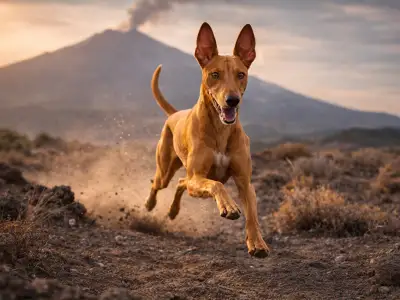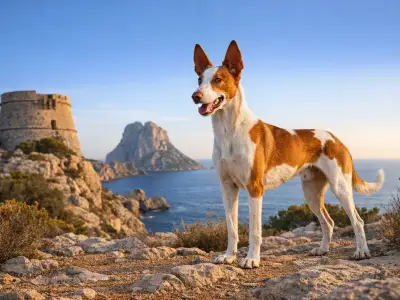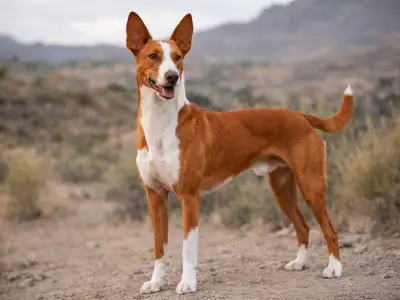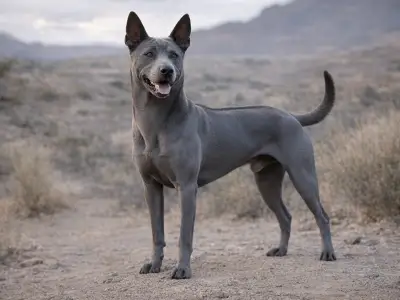
Pharaoh Hound
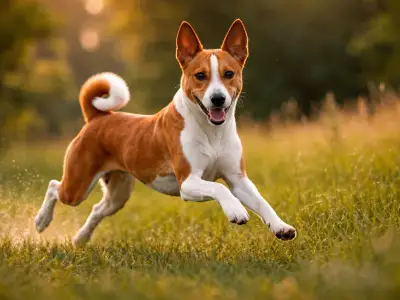
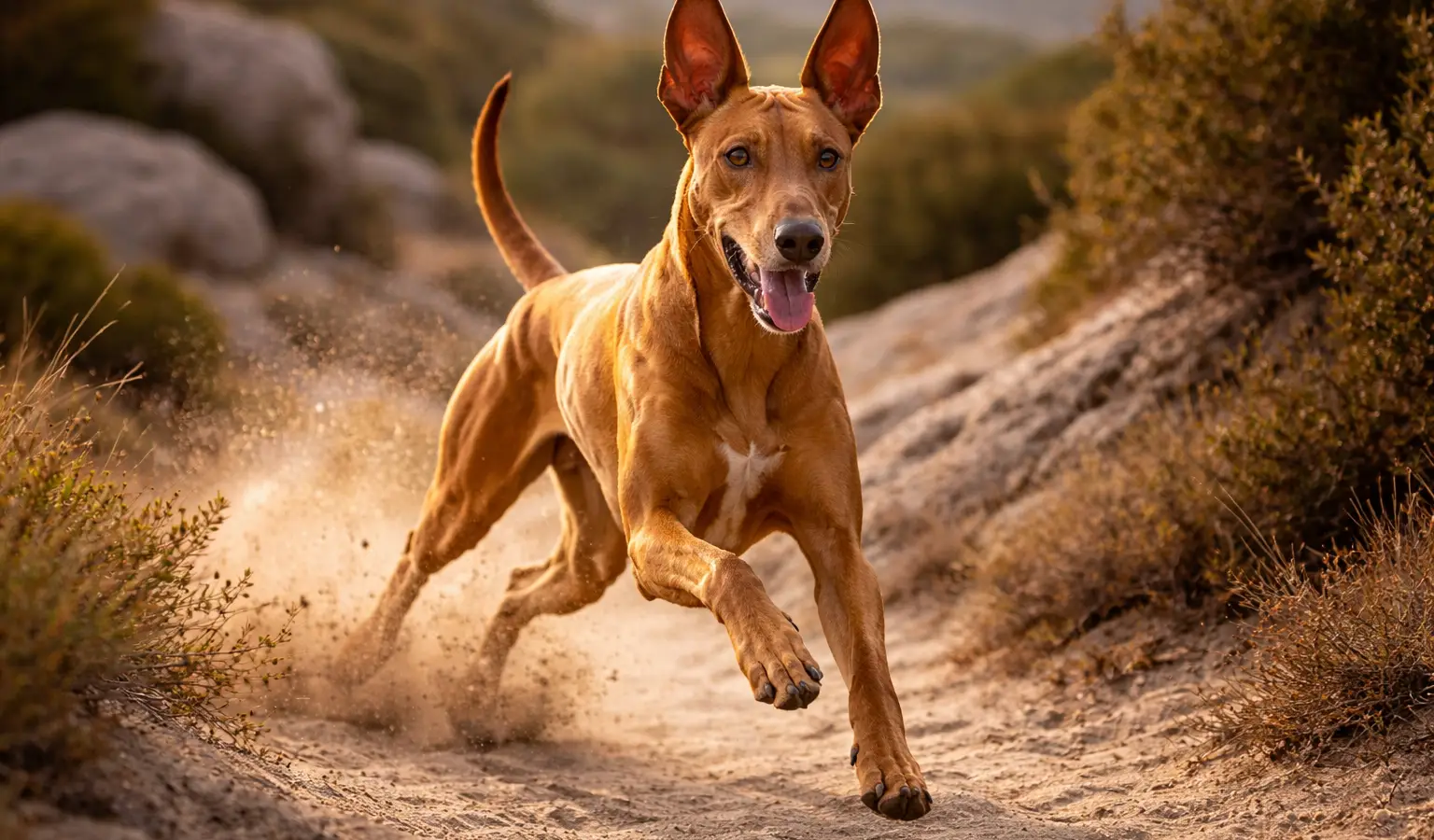
The Pharaoh Hound is an elegant, athletic and fast sighthound traditionally used for hunting small game. Highly sensitive and intelligent, it bonds closely with its family while keeping a touch of independence. It thrives with daily exercise, positive training and opportunities to run in a secure area.
Life expectancy
12 – 14 years
Price
1200 – 2200 €
Monthly budget
65 €
Size
Medium
Profile
Pharaoh Hound
Origin
Malta
Year of origin
1000
Developed by
Mediterranean hunters
Size
Medium
Coat type
Short coat
Owner profile
Active owner
Hypoallergenic
No
Litter size
6
Life expectancy
12 – 14 years
Price
1200 – 2200 €
Female
- Height : 53 – 61 cm
- Weight : 18 – 22 kg
Male
- Height : 56 – 63 cm
- Weight : 20 – 25 kg
Temperament & abilities
Affectionate
4/5
Calm
3/5
Independent
4/5
Intelligence
4/5
Obedience
3/5
Hunting instinct
5/5
Energy level
4/5
Good with children
4/5
Dog-friendly
4/5
Friendly with strangers
3/5
Hunting profile
Stamina
4/5
Hunting drive
3/5
Independence
4/5
Trainability
2/5
Beginner-friendly
3/5
Family compatibility
4/5
Feather game
0/5
Fur game
3/5
Underground work
0/5
Water work
0/5
These indicators help compare breeds and choose the right one for your hunting style.
Game & abilities
Estimated ability level by game type.
Budget
Purchase price
1200 – 2200 €
The price may vary depending on the breeder, bloodline, and region.
Average monthly cost
65 €
Estimated average: food, healthcare, accessories, and grooming.
A fast, visual hunter best suited to open ground, active handlers, and homes that can match its intensity.
Is the Pharaoh Hound a good hunting dog?
The Pharaoh Hound can be a very capable hunting dog, but it is not a universal fit for every hunter. Its main strengths are speed, agility, alertness, and the ability to spot and pursue game with a classic sighthound style. In practical terms, Pharaoh Hound hunting ability tends to shine most on small game in open or lightly covered terrain, where the dog can use its eyes, quick reactions, and athleticism. For someone expecting the nose-led, highly cooperative pattern of a continental pointing dog or a close-working flushing dog, the breed may feel too independent.
In the field, the Pharaoh Hound usually works with a light, efficient gait and a lot of natural animation. It can cover ground quickly and often shows good stamina, especially in dry, mild conditions. Its nose is useful, but this is generally not a breed chosen primarily for deep scent work. The working style is better described as opportunistic, visual, and fast rather than methodical and highly structured. Courage is often sufficient for the work it was historically associated with, but individual confidence, prey drive, and persistence can vary noticeably between lines and dogs.
Handling is one of the key points to understand before choosing this breed for hunting. Trainability is real, but it usually comes with a primitive, sensitive, and self-directed temperament. Recall can require serious work, especially around moving game, and off-lead reliability should never be assumed. Heavy-handed methods tend to backfire. Pharaoh Hounds usually respond better to calm repetition, clear rules, and motivation-based training, but they are not typically the easiest choice for a novice wanting immediate compliance in the field.
- Best use cases: small-game hunting, fast pursuit, open country, experienced handlers who appreciate an independent working style.
- Less coherent use cases: dense cover work, close-control hunting, consistent retrieving duties, or situations demanding constant handler focus.
- Daily life balance: athletic, lively, and often affectionate at home, but usually too energetic and prey-driven for a sedentary household.
As a companion, the Pharaoh Hound can be elegant, clean, and pleasant to live with, but daily life still reflects its hunting heritage. It generally needs real exercise, safe running opportunities, and thoughtful management around wildlife and smaller pets. For the right owner, it offers a distinctive blend of field ability and refined home life. For a buyer comparing hunting breeds, the clearest summary is this: the Pharaoh Hound is a credible hunting dog for specific work, especially if you value speed and natural chase instinct more than close handling, heavy scent work, or all-purpose versatility.
Fast visual hunter
The Pharaoh Hound is built to spot movement quickly and cover ground at speed, which makes it especially suited to open country where a dog can work with its eyes. This is not a slow, methodical tracker by default. Its hunting style tends to favor quick detection, rapid pursuit, and sharp reactions to fleeing game.
Agile over rough terrain
Light on its feet and naturally athletic, this breed often handles broken ground, stone, scrub, and uneven terrain with impressive balance. That agility can be a real advantage in rabbit hunting or similar work where game twists suddenly and the dog must turn, accelerate, and recover without losing momentum.
Good stamina in active hunts
While not a heavy, grinding worker, the Pharaoh Hound usually brings useful endurance for active outings, especially in dry, open landscapes. It can stay engaged through repeated bursts of effort when properly conditioned. In practice, this suits hunters who like a mobile, energetic dog rather than a slower dog that works close at a steady pace.
Alert and field-aware
One of the breed’s practical strengths is its awareness of movement and surroundings. Many Pharaoh Hounds are quick to notice subtle changes ahead, which helps in fast-paced sight hunting. That said, this alertness can also make them easily drawn toward sudden motion, so reliable recall and thoughtful handling matter just as much as raw instinct.
Responsive with tactful training
The Pharaoh Hound can be very workable for handlers who use clear, calm, consistent training. It often responds better to cooperation than pressure. For hunting, that means early work on recall, steadiness, and focus is especially valuable. In capable hands, the breed can be enjoyable to direct, but it is rarely at its best under harsh correction.
Specialist rather than all-round gundog
This breed’s strongest hunting qualities usually center on sight, speed, and chase rather than classic gundog tasks such as close quartering or reliable retrieving. For the right owner, that specialization is a strength, not a flaw. It tends to suit people looking for an athletic primitive hunting dog with strong coursing instinct and lively day-to-day energy.
Who the Pharaoh Hound suits best
The Pharaoh Hound tends to suit an experienced or observant owner who wants a light, athletic hunting dog with primitive-dog traits rather than a highly compliant, handler-dependent worker. It can be a rewarding match for people who enjoy lure coursing, fast open-ground work, scent-and-sight hunting traditions where legal, and daily life built around exercise, secure space, and calm, consistent training. In a family setting, many do well in active homes that appreciate a gentle, affectionate dog indoors but understand that prey drive, sensitivity, and sudden bursts of speed are part of the package.
- Best for: active owners, runners, countryside households, and hunters who value speed, agility, and a more independent mind.
- Less suitable for: people wanting an easy off-lead dog, a hard-driving all-purpose gundog, or a breed that tolerates repetitive, heavy-handed training.
- Common mismatch: quiet but sedentary homes, unsecured properties, or households with small pets if introductions and management are not handled carefully.
Origins of the Pharaoh Hound and How History Shaped the Breed
The Pharaoh Hound is often presented as an ancient hunting dog linked to images of hounds from the Mediterranean world, but its exact historical path is more nuanced than legend suggests. Most modern breed historians connect its development above all with Malta, where dogs of this type were used for practical hunting, especially on rabbit. That matters for understanding the breed today: this is not simply a decorative “ancient dog,” but a functional sighthound shaped by generations of work requiring speed, alertness, agility, and independent problem-solving.
In Malta, the breed became known for hunting over rough, stony ground where a dog had to locate moving game quickly, react fast, and keep working with enthusiasm. Selection appears to have favored a lean, athletic build, sharp senses, and a lively but sensitive temperament. Those traits still show clearly in the modern Pharaoh Hound. It tends to be energetic without being heavy or plodding, highly responsive to movement, and capable of explosive acceleration. In the field, that translates into a hunting style better suited to sight-chasing and active searching than to slow, methodical work under close handler control.
Its historical use also helps explain the breed’s personality at home. A dog bred to notice subtle changes in terrain, game movement, and handler cues often becomes a keen observer in daily life as well. Many Pharaoh Hounds are affectionate and bright, but they can also be somewhat independent, easily bored by repetitive drilling, and sensitive to harsh handling. Training usually goes best with calm consistency, short sessions, and a clear outlet for running and chasing instincts. For the right owner, that combination can feel elegant and enjoyable; for someone expecting a highly biddable, always-close-working gun dog, it may be a mismatch.
Seen in context, the Pharaoh Hound’s past points to a fairly specific kind of modern dog:
- A visual hunter first: strongly drawn to movement and fast pursuit.
- An athletic primitive-type hound: agile, light-footed, and generally happiest with real exercise.
- A sensitive learner: usually better managed through tact and repetition with variety than through pressure.
- A breed for engaged owners: often best suited to people who appreciate hunting heritage, outdoor activity, and a dog with both charm and opinions.
So while the romantic story around the Pharaoh Hound is part of its appeal, its more useful history is that of a Mediterranean hunting specialist refined for function. That background remains the best guide to its present-day temperament, working style, and daily needs.
Ancient look, modern Malta roots
The Pharaoh Hound is famous for its ancient, statuesque appearance, but the breed as we know it is most closely tied to Malta, where it is known as the Kelb tal-Fenek. It was developed as a practical hunting dog rather than a museum relic, which helps explain its athletic build, sharp senses, and efficient movement in open country.
A hunter built for sight and speed
This breed belongs to the primitive and sighthound type, and its working style reflects that heritage. Pharaoh Hounds are typically valued for spotting movement quickly, covering ground with ease, and reacting fast when game breaks. Compared with more methodical scent hounds, they often work in a lighter, more visually driven way, which suits fast hunting over rough terrain.
Sensitive, bright, and independent
In daily life, the Pharaoh Hound is often affectionate and playful, but not usually heavy-handed or easy to push. Many are intelligent, observant dogs that respond best to calm, fair handling rather than repetitive pressure. That independent streak can be appealing to experienced owners, yet it may feel challenging for people expecting constant obedience from a primitive hunting breed.
Needs room to run safely
This is not a sedentary breed. A Pharaoh Hound generally needs regular opportunities to sprint, explore, and use its senses, along with steady everyday structure. Because prey drive can be strong in some lines and individuals, reliable off-leash freedom is not always realistic outside secure areas. A well-fenced space and active routine usually make daily life much easier.
Lean coat, simple upkeep
Grooming is one of the easier parts of living with this breed. The short, fine coat needs only modest maintenance, and many Pharaoh Hounds stay naturally clean if kept in good condition. The trade-off is that the light coat offers limited protection from cold weather and rough cover, so comfort, recovery, and suitable exercise conditions matter more than with heavier-coated hunting dogs.
Best for active, thoughtful owners
The Pharaoh Hound tends to suit people who like elegant, lively dogs and understand that sensitivity and hunting instinct often come together. It can fit family life well when exercise, supervision, and training are taken seriously, but it is rarely the easiest choice for a very busy or inconsistent household. Owners usually do best when they enjoy both movement and patient handling.
Practical answers about hunting ability, trainability, exercise, home life, and owner suitability
Pharaoh Hound hunting and daily life FAQ
Is the Pharaoh Hound a good hunting dog today?
The Pharaoh Hound can still be a capable hunting companion, especially for owners who value speed, agility, keen sight, and an independent working style. It belongs to the primitive hunting dog group, and many individuals retain a strong chase instinct, particularly for fast-moving game. That said, modern lines and individual dogs vary, so hunting ability should not be assumed equally across the breed. It tends to suit hunters who appreciate a responsive but not overly mechanical dog, and who are willing to invest time in conditioning, recall work, and careful exposure to real field situations.
What kind of prey drive does a Pharaoh Hound usually have?
Most Pharaoh Hounds show notable prey drive, often triggered by movement, open ground, and visually stimulating environments. In everyday life, this can mean a strong urge to chase rabbits, squirrels, cats, or other small animals if training and management are not solid. Their prey drive is often more sight-led than handler-led, which is important for owners expecting close control off leash. A secure area, good recall foundations, and realistic expectations are essential, because instinct can override obedience when something bolts in front of them.
Are Pharaoh Hounds easy to train for hunting and recall?
They are intelligent and often quick to understand patterns, but they are not usually the kind of dog that works with constant eagerness to please in every situation. Many Pharaoh Hounds respond best to calm, consistent training with clear rewards, short sessions, and minimal drilling. Recall can become reliable in controlled settings, yet off-leash reliability around game may remain limited for some individuals because instinct is strong. For hunting use, early foundation work, impulse control, and regular field exposure matter more than harsh correction or repetitive obedience.
Can a Pharaoh Hound live happily as a family dog if it is not used for hunting?
In the right home, yes. Many Pharaoh Hounds are affectionate, clean in the house, and pleasant to live with when their exercise, mental stimulation, and need to run are properly met. They often do well with families who enjoy an active routine and understand that this is a sensitive, athletic breed rather than a heavy, rough-and-tumble dog. Homes with very small pets may need extra caution, and children should be taught respectful handling, especially because some individuals are gentle but not endlessly tolerant of chaos.
Is the Pharaoh Hound suitable for apartment living?
A Pharaoh Hound can adapt to apartment life better than some people expect, but only if daily exercise is substantial and consistent. Indoors, many are relatively calm once they have had a proper outlet, yet they are still fast, energetic dogs that need space to stretch out and opportunities to run safely. The bigger issue is not square footage alone but access to secure exercise areas, routine, and management of boredom. An owner who lives in an apartment but can provide structured activity may do better than a suburban owner who assumes the yard will do all the work.
How much exercise does a Pharaoh Hound really need every day?
Most need more than a short walk around the block. A good routine usually includes brisk walking, free running in a secure area, and some mental work such as recall games, scent play, lure-style chasing, or structured training. Young adults and active working lines may need a particularly thoughtful outlet to stay settled and easy to live with. Without enough physical and mental activity, some Pharaoh Hounds can become restless, opportunistic, or harder to manage outdoors, even if they remain elegant and quiet inside the home.
Who is the Pharaoh Hound best suited for, and who may struggle with this breed?
This breed often suits owners who like athletic, sensitive, independent dogs and who can manage prey drive without taking it personally. It can be a strong match for active households, experienced sighthound or primitive-breed enthusiasts, and hunters who enjoy a fast, visual hunter rather than a dog that constantly checks in for direction. First-time owners may find the combination of speed, selective responsiveness, and off-leash limitations more challenging than expected. People wanting a highly biddable, always-close companion or a dog that can safely roam unfenced areas will often find another breed easier to live with.