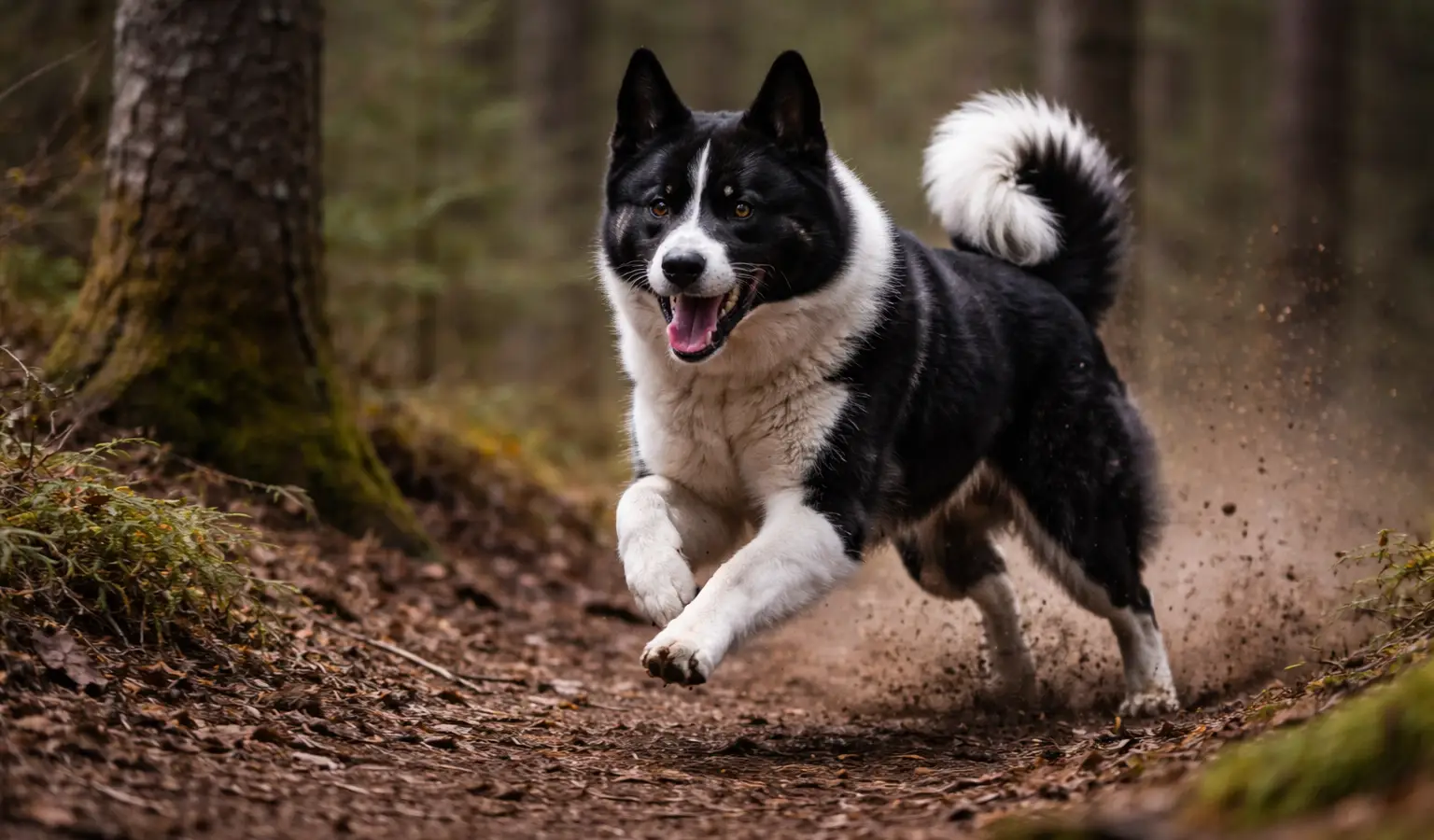
Russian-European Laika
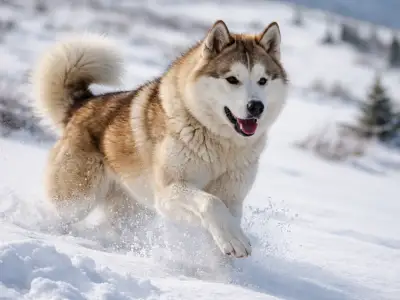
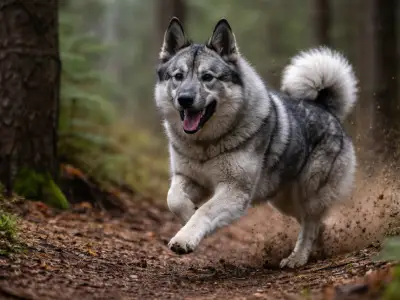
The Russian-European Laika is a versatile and resilient Nordic hunting dog.
Life expectancy
11 – 14 years
Price
900 – 1600 €
Monthly budget
70 €
Size
Medium
Profile
Russian-European Laika
Origin
Russia
Year of origin
1947
Developed by
Russian hunters
Size
Medium
Coat type
Double coat
Owner profile
Experienced owner
Hypoallergenic
No
Litter size
6
Life expectancy
11 – 14 years
Price
900 – 1600 €
Female
- Height : 48 – 54 cm
- Weight : 18 – 22 kg
Male
- Height : 52 – 58 cm
- Weight : 20 – 25 kg
Temperament & abilities
Affectionate
3/5
Calm
3/5
Independent
5/5
Intelligence
4/5
Obedience
2/5
Hunting instinct
5/5
Energy level
5/5
Good with children
3/5
Dog-friendly
2/5
Friendly with strangers
2/5
Hunting profile
Stamina
5/5
Hunting drive
5/5
Independence
5/5
Trainability
2/5
Beginner-friendly
1/5
Family compatibility
3/5
Feather game
1/5
Fur game
4/5
Underground work
2/5
Water work
0/5
These indicators help compare breeds and choose the right one for your hunting style.
Game & abilities
Estimated ability level by game type.
Budget
Purchase price
900 – 1600 €
The price may vary depending on the breeder, bloodline, and region.
Average monthly cost
70 €
Estimated average: food, healthcare, accessories, and grooming.
A bold, versatile hunting spitz with real stamina, but not the easiest fit for every handler or household.
Is the Russian-European Laika a good hunting dog?
The Russian-European Laika is widely regarded as a capable hunting dog for hunters who want an independent, energetic worker with courage, stamina, and a strong natural drive. In the field, it is typically valued for finding game actively, using both nose and sight, and giving voice when it has located or held quarry. As a hunting breed, it often makes the most sense for woods and rough country rather than for highly controlled, close-working gundog tasks. For the right owner, Russian-European Laika hunting ability can be impressive; for the wrong one, its independence and intensity can be difficult to manage.
Its working style is usually that of a dog that hunts out with purpose rather than waiting constantly for direction. Many lines are appreciated for a broad search pattern, good endurance over long outings, and the nerve to engage challenging game. That said, handling can be more demanding than with breeds selected for tight cooperation. Recall, steadiness, and off-switch behavior often require patient, consistent training from an early age. This is not usually the first recommendation for someone who wants a very soft, highly biddable dog that checks in every few seconds.
In practical terms, the breed tends to suit hunters who appreciate a primitive, self-reliant temperament and who hunt in terrain where initiative matters. It can be coherent for woodland hunting, searching for game over varied ground, and situations where a dog must keep working despite weather, cover, and distance. It is generally less coherent for owners whose main priority is polished retrieve work, precision obedience, or a low-conflict urban companion. Individual dogs vary, and bloodline matters, but trainability is often best understood as intelligent and willing in its own way rather than naturally submissive.
- Strengths: stamina, courage, active search, weather resistance, determination, strong hunting motivation
- Demands: high energy level, regular work, serious recall training, clear boundaries, enough space and mental outlet
- Best match: experienced hunters or active owners who respect an independent working style and can give the dog meaningful exercise
In everyday life, the balance between field performance and family life depends heavily on management. A well-bred, well-exercised Russian-European Laika can be deeply bonded and pleasant at home, but it is rarely a naturally effortless pet. Without enough activity and structure, vocalization, roaming, frustration, and self-directed behavior may become issues. For someone comparing hunting breeds, this Laika is often most attractive when the goal is a hardy, authentic hunting companion first and a convenient family dog second.
Bold stand-and-bark work
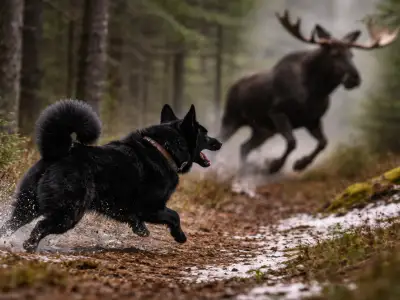
One of the breed’s most valued hunting qualities is its willingness to locate game and hold pressure with a clear, persistent bark. In the right lines, this makes the Russian-European Laika especially useful on game that must be found, stopped, and indicated rather than silently pushed through cover. That courage can be a major asset, but it also calls for sensible handling and steady control.
Excellent forest stamina
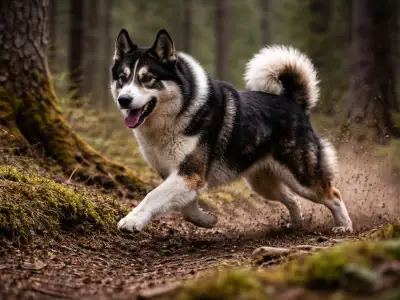
This is typically a durable, energetic hunting dog built for long hours in woodland terrain. A good Russian-European Laika can keep working through rough ground, cold weather, and changing cover without fading too quickly. For hunters who spend full days walking and checking large areas, that endurance is often one of the breed’s most practical advantages.
Versatile game finder
The breed is often appreciated for versatility rather than a single narrow specialty. Depending on bloodline, country, and training, a Russian-European Laika may be used on squirrel, capercaillie, furred game, and in some cases larger quarry. That flexibility appeals to hunters who want one hardy dog for varied outings, though real aptitude still depends heavily on the individual dog.
Independent problem solver
In the field, many Russian-European Laikas show the self-reliance expected from northern hunting spitz breeds. They can work ahead, sort out scent, and make decisions without constant instruction. For experienced handlers, this independence is useful in big country. For beginners, it can feel challenging, because the breed is not always naturally eager to hunt in close, handler-focused patterns.
Sharp game detection
Rather than relying on one exaggerated trait, the Russian-European Laika often works through a practical mix of nose, hearing, alertness, and visual awareness. This helps it pick up movement and game presence quickly in dense forest. In real hunting conditions, that lively detection ability can shorten unproductive searching and make the dog feel switched on throughout the day.
Best with active, consistent handlers
Its hunting strengths come through best with owners who give regular work, clear rules, and meaningful field exposure. This is usually not the easiest choice for someone wanting a low-drive weekend dog. In the right hands, however, the breed’s intensity, concentration, and natural initiative can make it a very rewarding partner for practical forest hunting and active daily life.
Who the Russian-European Laika suits best
The Russian-European Laika tends to suit a hands-on hunter or very active owner who values a hardy, independent hunting dog rather than a highly biddable companion. It often makes the most sense for people who enjoy regular field work, woodland outings, tracking, and a dog that uses its nose, voice, and initiative. In daily life, this usually means an owner who can provide structured exercise, clear rules, and purposeful activity, not just a short walk and a garden.
For the right person, this breed can be rewarding: alert, tough, energetic, and deeply engaged when it has a job. It is generally less suitable for first-time dog owners, very sedentary households, or homes expecting an easy off-switch at all times. Some lines may be more intense, vocal, prey-driven, or independent than many pet owners anticipate, which can make recall, small-pet compatibility, and urban living more demanding. Families can do well with a well-raised individual, but the best match is usually a household that understands working breeds, enjoys outdoor life in all weather, and accepts that this is a serious hunting-type dog first and a casual family pet second.
How a northern hunting dog became a distinct modern breed
Origin and development of the Russian-European Laika
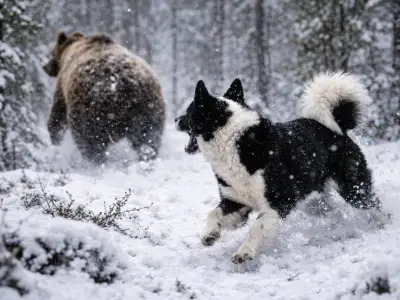
The Russian-European Laika developed in the forested regions of northern and central Russia from traditional laika-type hunting dogs kept by local hunters for practical work rather than uniform appearance. These dogs were valued for versatility: they could locate game, bark to hold an animal at bay, and work independently in difficult woodland conditions. The modern breed took shape in the Soviet period, when breeders began selecting black-and-white dogs from several regional spitz-type hunting populations to create a more consistent type. Exact historical lines can be hard to trace with certainty, but the breed is generally understood as a purposeful consolidation of working laikas rather than a recently invented companion dog.
That background helps explain the Russian-European Laika’s present-day temperament. It was shaped to hunt with initiative, stamina, sharp senses, and a strong voice, often at some distance from the handler. In practice, this usually means a dog that is alert, energetic, and capable of making decisions on its own. For hunters, that independence can be a real strength in the field, especially in dense cover or on varied game. For family life, it also means training needs to be clear, consistent, and meaningful: this is not typically a breed that thrives on passive routines or repetitive drilling without purpose.
Selection focused on function first, especially for forest hunting of furred game and birds, though individual dogs and bloodlines may differ in prey drive, range, and game preference. Even today, many enthusiasts value the breed for its natural hunting instinct, endurance in cold climates, and ability to adapt to demanding outdoor work. At the same time, those same traits can make daily life more challenging for novice owners. A Russian-European Laika often needs substantial exercise, mental engagement, and careful management around wildlife and smaller animals.
As a result, the breed tends to suit active owners who appreciate a primitive, quick-thinking hunting dog rather than a highly biddable, handler-dependent gun dog. In the right home, with enough work, structure, and outdoor time, the Russian-European Laika can be deeply rewarding. Its history is not just a background detail: it still shows in the breed’s intensity, resilience, vocal hunting style, and preference for a life with real purpose.
Forest hunting roots
The Russian-European Laika was developed in the forest regions of Russia from northern spitz-type hunting dogs. Breeding appears to have focused on creating a versatile, hardy dog able to track, locate, and hold game with voice. That background still shapes the breed today: alert, weather-resistant, independent, and strongly driven by scent, movement, and the wider environment.
Selected for function
This is not a purely ornamental Nordic breed. Historically, selection favored practical field ability over softness or easy urban adaptability. A good Russian-European Laika is often valued for initiative, stamina, and the capacity to work at some distance from the handler while remaining mentally connected. That combination can be impressive for hunting and demanding in casual pet homes.
Lively but self-directed
In daily life, the breed is often bright, loyal, and highly aware of its surroundings, but not necessarily eager to obey every cue simply to please. Many individuals show a confident, independent temperament and can be reserved with strangers. Early socialization, calm structure, and fair training matter more here than repetitive drilling or harsh handling, which may reduce cooperation rather than improve it.
Built for active owners
The Russian-European Laika usually suits people who genuinely enjoy outdoor life, training, and regular purposeful exercise. A short walk around the block is rarely enough for a dog from working hunting stock. Most do better with space, varied routes, scent-based activities, and time off lead only where recall and safety are realistic. Apartment life can be challenging if stimulation is limited.
Practical coat, real upkeep
The dense double coat is designed for harsh weather and rough country, which makes it functional rather than high-maintenance in a cosmetic sense. Even so, seasonal shedding can be heavy, and routine brushing helps control loose hair and keep the skin and coat in good condition. Owners should also expect muddy paws, woodland debris, and regular checks after walks or hunting outings.
Best for experienced handling
For the right owner, this breed offers endurance, character, and authentic hunting-dog instinct. For the wrong home, its intensity can become difficult to channel. It often fits best with experienced dog people, active hunters, or rural households that appreciate a primitive hunting breed with strong natural behaviors. Families can do well with one, but usually only when exercise, boundaries, and supervision are taken seriously.
Practical answers on hunting ability, training, exercise, housing, and everyday compatibility
Russian-European Laika hunting and family life FAQ
Is the Russian-European Laika a good hunting dog for a beginner?
The Russian-European Laika can be an impressive hunting partner, but it is not usually the easiest first hunting breed. It tends to be independent, energetic, and strongly driven by scent, movement, and game, which can challenge a novice handler. A beginner with access to a skilled mentor, structured training, and regular field time may do well, especially if expectations are realistic. Without consistent education and enough real work, the dog may become difficult to manage or start making its own decisions in the field. This breed generally suits active owners who want a serious working dog rather than a casual weekend companion.
What kind of hunting is the Russian-European Laika best suited for?
The breed is traditionally associated with versatile hunting, often valued for locating game, using voice, and working with initiative in challenging terrain. Depending on line, country, and training, some dogs may be used for squirrel, fur game, wild boar, or certain larger quarry, but actual suitability varies a lot between individuals. It is better to evaluate a dog by proven working background than by breed name alone. Hunters often appreciate the Russian-European Laika for stamina, alertness, and willingness to range out, though that same independence requires thoughtful handling. It tends to fit hunters who enjoy an active dog that participates intensely rather than passively follows.
Is the Russian-European Laika easy to train and reliable off leash?
Training a Russian-European Laika is usually more about cooperation than simple obedience. Many individuals are intelligent and learn quickly, but they may question repetition, lose interest in drilling, or prioritize game over handler input once aroused. Off-leash reliability can be decent in some dogs, yet it should never be assumed, especially in areas rich in wildlife. Early recall work, long-line practice, steady exposure to different environments, and fair, consistent rules matter more than harsh correction. Owners who enjoy training and can channel drive into clear routines often get better results than those expecting automatic compliance.
Can a Russian-European Laika live happily as a family dog if it also hunts?
It can, but daily life tends to be easiest when the dog has both physical activity and a sense of purpose. Many Russian-European Laikas are loyal and engaged with their household, yet they are not typically low-maintenance pets content with brief walks and long indoor boredom. In a well-run home, a hunting dog from this breed may settle nicely, but under-stimulation can lead to noise, destructiveness, roaming, or persistent restlessness. Families usually do best when everyone understands that this is a working Nordic hunting dog with real energy and instincts. Calm structure, regular exercise, and clear boundaries are often more important than trying to make the dog fit a purely sedentary lifestyle.
Is the Russian-European Laika good with children and other pets?
With children, the breed can be affectionate and playful, especially when raised with them and supervised properly. That said, its energy level and intensity may be too much for very young kids unless the household is organized and dog-savvy. With other pets, caution is more important, because prey drive can be significant and tolerance for small animals varies widely. Some individuals live well with other dogs, while others may be more assertive, especially if socialization was limited. Careful introductions, ongoing management, and realistic expectations are wiser than assuming universal friendliness.
Does a Russian-European Laika need a big yard, or can it live in an apartment?
A large yard is helpful, but space alone does not meet this breed's needs. A Russian-European Laika may live in a smaller home if it receives substantial daily exercise, training, and mental engagement, though apartment life can be challenging because some dogs are vocal and highly reactive to outdoor stimuli. A fenced area is useful for management, but it should not replace walks, tracking-style activities, hunting work, or structured outings. Owners in urban settings need to be especially honest about time, noise tolerance, and access to suitable exercise areas. In practical terms, the breed usually fits rural or semi-rural life more naturally than dense city living.
Who is the Russian-European Laika really best for?
This breed generally suits active owners who appreciate primitive-type hunting dogs and can accept a certain level of independence. It is often a better match for people who enjoy training, outdoor life, field work, and breed-specific behavior than for those wanting a highly biddable, easygoing pet. Experienced hunters, serious hobby handlers, and rural households may find it rewarding if the dog's drive and voice are not seen as problems. It may be a poor fit for owners away all day, first-time dog keepers with little support, or families wanting a calm dog with minimal exercise needs. The best matches usually respect the breed for what it is, rather than trying to soften every natural instinct out of it.