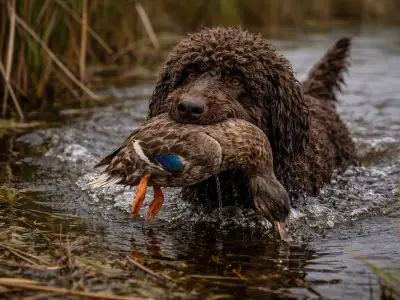
German Spaniel
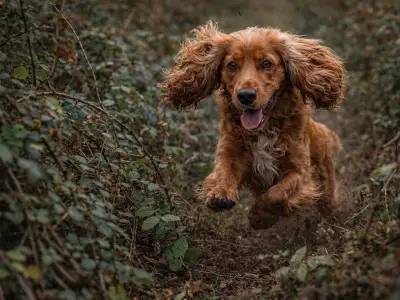
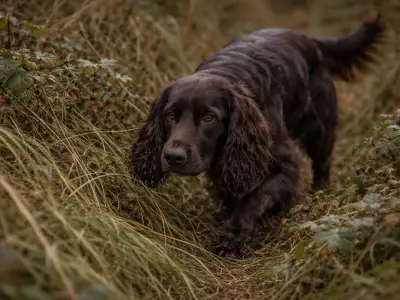
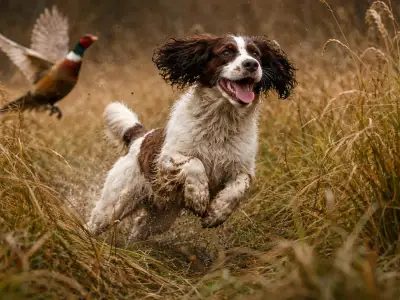
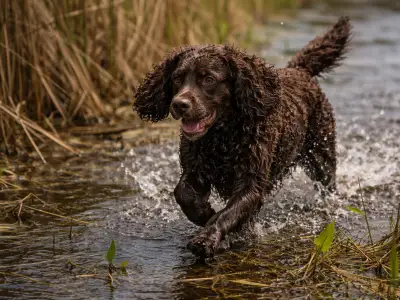
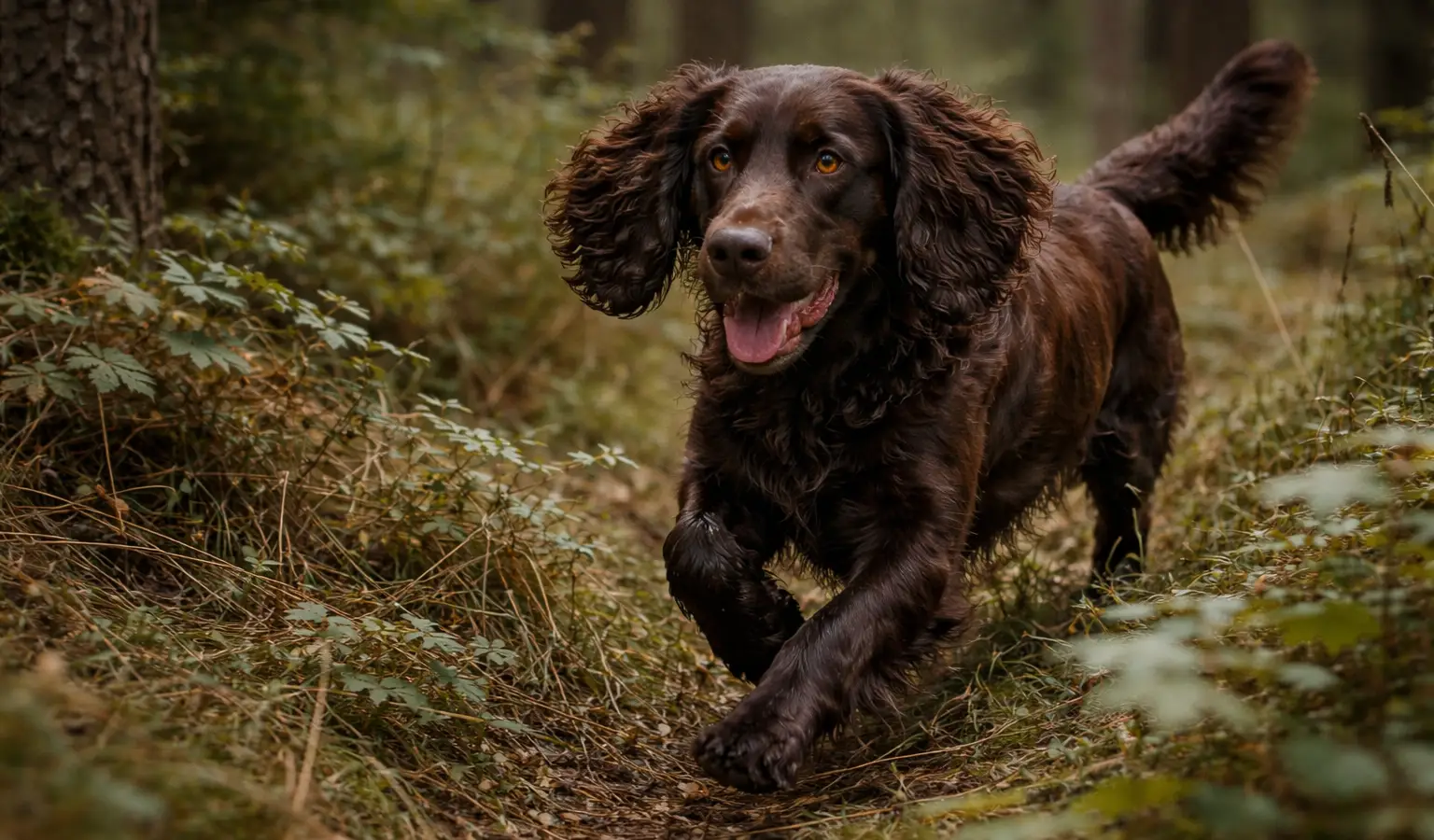
The German Spaniel is a versatile hunting dog, specialised in tracking, flushing and retrieving game. Known for its excellent nose, endurance and strong working drive, it is particularly valued for forest and dense terrain hunting. Loyal, courageous and closely bonded to its handler, it requires firm, consistent training and plenty of physical activity.
Life expectancy
12 – 14 years
Price
900 – 1700 €
Monthly budget
75 €
Size
Medium
Profile
German Spaniel
Origin
Germany
Year of origin
1900
Developed by
German hunters
Size
Medium
Coat type
Long coat
Owner profile
Experienced owner
Hypoallergenic
No
Litter size
7
Life expectancy
12 – 14 years
Price
900 – 1700 €
Female
- Height : 45 – 50 cm
- Weight : 18 – 22 kg
Male
- Height : 48 – 54 cm
- Weight : 22 – 30 kg
Temperament & abilities
Affectionate
4/5
Calm
3/5
Independent
3/5
Intelligence
4/5
Obedience
3/5
Hunting instinct
5/5
Energy level
4/5
Good with children
4/5
Dog-friendly
4/5
Friendly with strangers
3/5
Hunting profile
Stamina
5/5
Hunting drive
5/5
Independence
4/5
Trainability
3/5
Beginner-friendly
2/5
Family compatibility
4/5
Feather game
4/5
Fur game
3/5
Underground work
4/5
Water work
4/5
These indicators help compare breeds and choose the right one for your hunting style.
Game & abilities
Estimated ability level by game type.
Budget
Purchase price
900 – 1700 €
The price may vary depending on the breeder, bloodline, and region.
Average monthly cost
75 €
Estimated average: food, healthcare, accessories, and grooming.
A versatile hunting dog with drive, nose, and stamina, but best matched with active handlers who want a serious working partner.
German Spaniel hunting ability and real-world suitability
The German Spaniel is widely regarded as a very capable hunting dog, especially for hunters who want a determined, versatile worker for dense cover, woodland, and rough ground. In practical terms, German Spaniel hunting strengths usually center on energetic flushing, persistent game finding, reliable use of nose, and a willingness to work difficult terrain. It can be an excellent choice for tracking wounded game, searching thick cover, and producing birds or small game, but it is not the easiest option for every owner because its energy, independence, and working drive are substantial.
In the field, the Deutscher Wachtelhund tends to work with purpose rather than decorative precision. Many dogs show a broad, active search pattern, good courage in cover, and the stamina to keep going over long outings. That makes the breed especially coherent for mixed hunting where conditions change and the dog may need to flush, track, and retrieve in the same day. Compared with some more handler-soft gundogs, the German Spaniel can feel stronger-minded and more self-driven, which is often an advantage in demanding hunting situations but may require steadier handling and clearer training.
Trainability is usually good when the dog has regular work, structure, and a handler who values consistency. Recall, stop cues, steadiness around game, and practical retrieve work should not be left to chance. A German Spaniel hunting dog often matures into a highly useful partner, but it normally needs meaningful education and enough outlet for its instincts. Without that, enthusiasm can turn into noise, pushing too hard, or generally restless behavior. This is not typically the breed for someone wanting a low-maintenance weekend hunter with modest exercise needs.
- Best use cases: rough shooting, woodland hunting, dense cover, tracking wounded game, versatile mixed hunting
- Main strengths: nose, courage, stamina, determination, useful retrieve potential, willingness in difficult terrain
- Main demands: high energy level, regular training, consistent handling, enough work outside the hunting season
For everyday life, the balance depends heavily on management. With training, exercise, and a genuine job, many German Spaniels can be steady family dogs, but they are usually better suited to rural or very active homes than to sedentary living. For a hunter comparing breeds, this is often a more serious working proposition than a casual companion that also hunts occasionally. In the right hands, the German Spaniel offers real field performance and honest versatility; in the wrong setting, its drive can simply be too much dog.
Strong nose and tracking drive
The German Spaniel is widely valued for its nose and its willingness to stay engaged with scent. In practical hunting, that often shows up as determined work on fresh game scent and useful persistence on wounded game tracks. For handlers who want a dog that hunts with purpose rather than just speed, this can be one of the breed’s most convincing strengths.
Confident in thick cover
This is a dog that is often appreciated for pushing into bramble, young woodland, reed beds, and other awkward ground where lighter-pressure dogs may hesitate. That courage is especially useful for flushing work and for finding game hidden in dense cover. It also means the breed generally suits hunters who genuinely need a working dog, not a decorative weekend companion.
Endurance for long hunting days
A well-bred, well-conditioned German Spaniel usually has the stamina for demanding outings over rough terrain. The breed was developed for practical work, and many individuals can keep hunting effectively for extended periods without losing focus too quickly. That said, this level of endurance comes with a clear daily-life implication: most need regular serious exercise and structured outlets between hunting days.
Versatile game-finding worker
Rather than being limited to one narrow task, the German Spaniel is often described as a versatile hunting dog. Depending on training, line, and local hunting style, it may contribute in flushing, tracking, and retrieving roles. That flexibility can make the breed attractive to mixed-use hunters who want one capable dog for woodland game, practical recovery work, and active field days.
Useful retriever after the shot
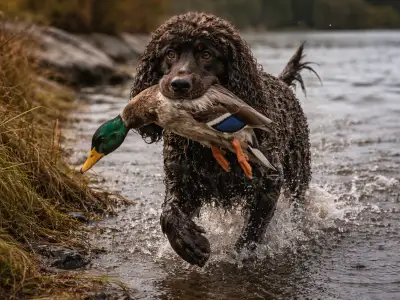
Although the breed is not always chosen purely as a classic retriever, many German Spaniels are very handy once game is down. Their willingness to search, pick up, and bring back birds or small game adds real value in day-to-day hunting. Reliable retrieving still depends on training and steadiness, but the natural working attitude is often there to build on.
Best with active, engaged handling
The German Spaniel often works best for handlers who appreciate drive, initiative, and a dog that wants meaningful jobs. It can be trainable and cooperative, but it is not usually at its best with casual handling or too little field exposure. For committed hunters who enjoy developing a serious working partner, that intensity can be a major advantage rather than a drawback.
Who the German Spaniel suits best
The German Spaniel tends to suit the hunter who wants a serious working companion rather than a decorative pet. It is often a strong fit for people involved in driven hunts, woodland work, tracking wounded game, and versatile rough shooting where stamina, nose, and determination matter. In everyday life, this usually means an owner who enjoys training, can provide regular off-lead work where appropriate, and does not mind living with a dog that is energetic, busy-minded, and often highly motivated by scent.
It can also work in an active family home, but usually best when the household understands that this is a hunting breed first. A German Spaniel may be less suitable for very sedentary owners, people wanting a low-maintenance house dog, or first-time handlers who are not ready for recall work, impulse control, and consistent structure. Common mismatches include small urban homes with limited exercise options, owners absent for long hours, and buyers expecting the calmer style of a companion spaniel rather than a hard-working flushing and tracking dog.
How a forest hunting dog from Germany became the modern Deutscher Wachtelhund
Origin and development of the German Spaniel
The German Spaniel, or Deutscher Wachtelhund, was developed in Germany as a practical all-round hunting dog for dense cover, woodland work, and versatile game finding. The breed took shape in the late nineteenth and early twentieth centuries, when German hunters sought a robust flushing and tracking dog that could work independently in thick terrain yet remain useful across different types of game. While some early ancestry is discussed with a degree of uncertainty, the modern breed is generally linked to old German spaniel-type dogs and a deliberate effort to preserve a capable working gundog rather than create a show-focused companion.
That origin still explains a great deal about the German Spaniel’s temperament today. This is typically a dog bred for initiative, persistence, and nose, not for passive obedience at all times. In the field, many Wachtelhunds are expected to search energetically, push game from cover, and, depending on line and training, follow wounded game with determination. At home, that often translates into a lively, engaged dog that does best with structure, regular activity, and handlers who appreciate a strong working mind. It can be affectionate and steady with its people, but it is rarely the kind of breed that thrives on a very sedentary routine.
Historically, the breed became especially valued among foresters and hunters who needed one dog capable of several tasks rather than a narrow specialist. Selection emphasized working ability, weather resistance, and usefulness in rough country. That practical breeding history helps explain why the German Spaniel is often described as hardy, driven, and highly game-aware. It also helps explain some limitations for modern owners: many individuals have substantial prey drive, a real need for scent-based work, and a level of stamina that can overwhelm owners looking for an easygoing pet.
For today’s buyer, the history matters because it points clearly to the type of home this breed usually suits best. The German Spaniel tends to fit experienced, active handlers, especially hunters or people who can offer meaningful training, tracking games, and regular outdoor work. In the right hands, its historical selection can produce a deeply useful hunting companion and an enjoyable family dog. In the wrong setting, the same inherited qualities may show up as frustration, overexcitement, or difficult self-employment in the environment.
Forest hunting roots
The German Spaniel, or Deutscher Wachtelhund, was developed in Germany as a versatile hunting dog for rough cover, woodland game, and practical field work. Rather than being bred mainly for show, it was shaped by usefulness: finding game, pushing it from cover, and working with stamina in difficult terrain.
Selected for function
This breed’s history is closely tied to performance-based selection. Breeders traditionally valued nose, perseverance, biddability, and a reliable hunting mind more than cosmetic uniformity. That background still matters today, because many German Spaniels retain strong working instincts and generally suit owners who appreciate a true hunting-bred flushing dog.
Driven but cooperative
In temperament, the German Spaniel is often energetic, keen, and deeply engaged with scent. Well-bred individuals tend to be willing partners rather than independent wanderers, but they are not usually low-effort dogs. Early training, steady handling, and regular outlets for search work can make a major difference in how manageable that drive feels at home.
Best with an active life
This is rarely the right breed for a quiet, sedentary household. Most Deutscher Wachtelhunds do better with space, outdoor access, and owners who enjoy long walks, structured exercise, and skill-based activities. Apartment life is not impossible in every case, but it is usually a harder fit unless the dog’s physical and mental needs are met consistently.
Practical coat, regular upkeep
The coat is designed for working conditions, not high glamour, but it still needs routine care. Brushing helps manage dirt, loose hair, and tangles around feathering, especially after time in brush or wet ground. Owners should also expect regular ear checks and basic paw care, particularly if the dog is active in woodland, marsh, or dense cover.
A hunter’s companion first
For the right person, the German Spaniel can be an excellent companion: affectionate, capable, and satisfying to train. Even so, its strongest appeal is often to active hunters or experienced dog owners who want purpose in daily life, not just a pet. Families usually do best when they genuinely enjoy living with a high-energy, work-minded dog.
Practical answers for hunters, active homes, and first-time researchers
German Spaniel hunting and daily life FAQ
Is the German Spaniel a good hunting dog for beginners?
The German Spaniel can be an excellent hunting dog, but it is not always the easiest first hunting breed for a novice handler. It was developed as a serious working gundog with drive, persistence, and a strong interest in scent, cover, and game. In the right hands, that makes it versatile and highly useful for flushing, tracking, and recovering game, but it also means the dog usually needs structure, field exposure, and steady training. A beginner who hunts regularly, works with experienced mentors, and wants an active, practical dog may do very well. A casual owner looking for an easy weekend companion may find the breed too intense.
What kind of hunting is the Deutscher Wachtelhund best suited for?
The Deutscher Wachtelhund is generally valued as a versatile hunting dog, especially in rough cover, woodland, and varied terrain where game must be found and pushed out. Many hunters appreciate the breed for flushing game, following scent, and helping with tracking wounded game, though exact strengths can vary by line and training. It is often better suited to active, practical hunting than to highly stylized field work. This is a dog that tends to shine when it has a real job and a handler who uses its nose and determination. If you want a specialist for one very narrow task, another breed may fit better.
How much exercise does a German Spaniel need when it is not hunting?
This breed usually needs far more than a short walk around the block. A German Spaniel often does best with a mix of brisk physical exercise, off-lead movement where safe and legal, scent work, retrieving games, and regular training that gives the mind something to do. On non-hunting weeks, many owners find the dog stays happier with a job-like routine rather than random activity. Without enough outlet, some individuals may become noisy, restless, or overly focused on following scents. For most homes, daily engagement is more realistic than trying to tire the dog out once or twice a week.
Are German Spaniels easy to train, or are they strong-willed?
Many German Spaniels are intelligent, willing, and capable learners, but they are not usually push-button dogs. Their hunting instincts can be strong, so recall, steadiness, impulse control, and cooperation should be built early and practiced consistently. Harsh handling often works against the breed, while clear rules, repetition, and meaningful work tend to produce better results. Some dogs are more biddable than others, especially depending on breeding and experience in the field. Owners usually get the best results when they train with purpose instead of treating obedience as a separate, abstract exercise.
Can a German Spaniel live as a family dog, or is it only for hunters?
A German Spaniel can live successfully as a family dog, but it is usually happiest in a home that genuinely enjoys an active working-type dog. With enough exercise, training, and supervision, many individuals are affectionate, engaged, and pleasant to live with. That said, this breed is not typically a low-maintenance pet, and its energy, prey drive, and need for occupation can be a lot for a quiet household. Families who hike, train, spend time outdoors, and appreciate a capable dog often suit it best. Homes wanting a calm, undemanding companion may prefer a less intense breed.
Is the German Spaniel suitable for apartment living?
Apartment living is possible for some German Spaniels, but it is rarely the most natural setup for the breed. The bigger issue is not square footage alone but whether the dog gets enough daily movement, structured training, scent-based work, and calm guidance indoors. A well-managed dog in a smaller home can cope better than an underworked dog in a large house with a yard. However, noise, frustration, and pent-up energy can become problems if the routine is too limited. Most individuals are easier to manage in a home that allows regular outdoor access and an active lifestyle.
Who is the German Spaniel best for, and who should probably choose another breed?
The German Spaniel tends to suit hunters, tracking enthusiasts, and very active owners who want a functional dog with real working ability. It often fits people who enjoy training, can provide consistent rules, and like spending time in woods, fields, and rough country rather than only in urban routines. It may be less suitable for first-time dog owners who want an easy pet, for homes with very limited time, or for people who are uncomfortable with strong prey interest and muddy outdoor life. As with many working breeds, the match matters as much as the dog itself. The right owner usually sees a capable, deeply rewarding partner; the wrong owner may feel overwhelmed.