Barbet
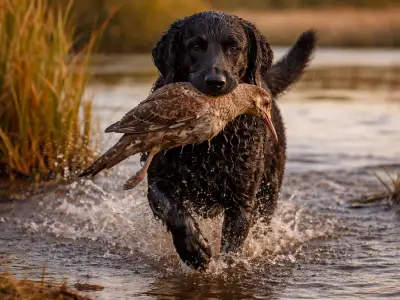
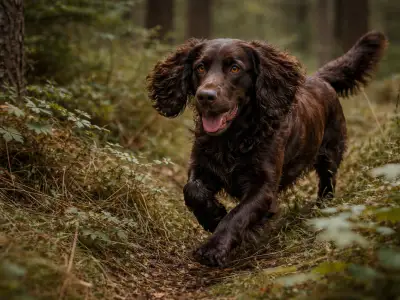
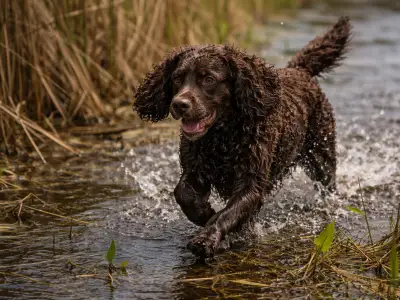
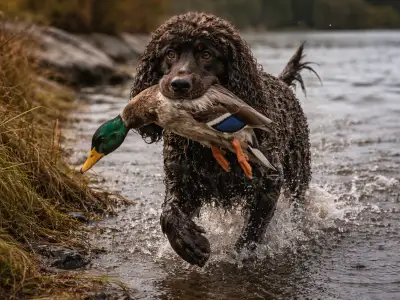
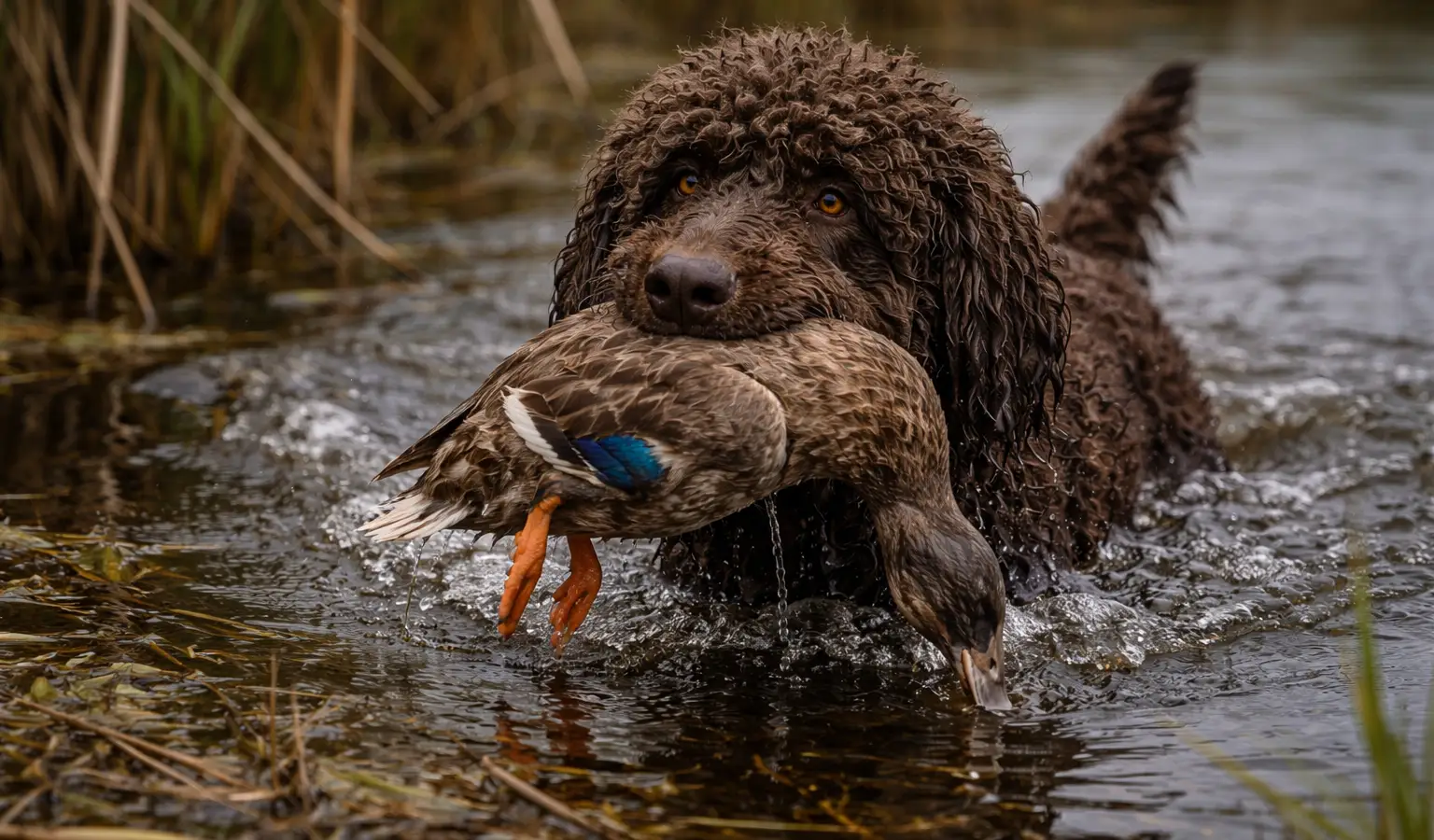
The Barbet is an ancient French water dog, easily recognised by its long, woolly and curly coat that provides excellent protection against cold and moisture. Historically used for retrieving waterfowl, it is known for its strong swimming ability, excellent nose and endurance. Cheerful, intelligent and deeply bonded to its family, the Barbet thrives both as a hunting dog and as an active companion when given regular exercise and consistent training.
Life expectancy
12 – 15 years
Price
1400 – 2600 €
Monthly budget
85 €
Size
Medium
Profile
Barbet
Origin
France
Year of origin
1600
Developed by
French water-dog breeders
Size
Medium
Coat type
Curly coat
Owner profile
Active owner
Hypoallergenic
Yes
Litter size
6
Life expectancy
12 – 15 years
Price
1400 – 2600 €
Female
- Height : 53 – 61 cm
- Weight : 17 – 25 kg
Male
- Height : 58 – 65 cm
- Weight : 20 – 28 kg
Temperament & abilities
Affectionate
5/5
Calm
4/5
Independent
2/5
Intelligence
5/5
Obedience
4/5
Hunting instinct
4/5
Energy level
4/5
Good with children
5/5
Dog-friendly
5/5
Friendly with strangers
5/5
Hunting profile
Stamina
4/5
Hunting drive
4/5
Independence
3/5
Trainability
4/5
Beginner-friendly
4/5
Family compatibility
5/5
Feather game
4/5
Fur game
0/5
Underground work
0/5
Water work
5/5
These indicators help compare breeds and choose the right one for your hunting style.
Game & abilities
Estimated ability level by game type.
Budget
Purchase price
1400 – 2600 €
The price may vary depending on the breeder, bloodline, and region.
Average monthly cost
85 €
Estimated average: food, healthcare, accessories, and grooming.
A capable water-oriented gundog with a cooperative nature, but best suited to hunters who value versatility and trainability over extreme pace.
Is the Barbet a Good Hunting Dog?
The Barbet can be a good hunting dog, especially for hunters looking for a versatile, biddable retriever and flushing companion rather than a hard-driving specialist. In practical terms, Barbet hunting ability tends to show best in water work, marshy ground, rough cover, and mixed shooting days where a steady dog with a useful nose and a willing retrieve matters more than raw speed. Many Barbets have the temperament and working style to make pleasant, effective gun dogs, but their field performance can vary with breeding, training, and how much genuine working instinct has been preserved in the line.
In the field, the Barbet is generally valued for a balanced style: close to medium range handling, a cooperative attitude, and enough stamina for real work without the frantic edge seen in some more intense gundog breeds. The coat and build can suit cold, wet conditions, and the breed is often associated with waterfowl work, retrieving, and practical flushing in heavy cover. A good Barbet may use its nose thoughtfully, hunt with purpose, and stay connected to the handler, which makes recall and direction changes easier for many owners. Courage is often adequate for rough terrain and dense vegetation, though individuals differ, and this is not usually the breed chosen by hunters seeking maximum pressure or the widest search pattern.
Training matters a great deal. The Barbet is often described as trainable and people-oriented, but that should not be mistaken for effortless. Consistent obedience, delivery to hand, steadiness around birds, and clear recall work are still essential if you want a reliable hunting dog rather than a pleasant companion who happens to like the outdoors. Harsh handling is rarely the best fit for the breed; many dogs respond better to calm repetition, structure, and regular exposure to game, water, gunfire, and varied terrain. Without enough work and direction, energy can spill into excitability, messy retrieves, or a dog that is enthusiastic but not polished.
For comparison shoppers, the Barbet often makes the most sense for someone who wants one dog to share family life and occasional to regular hunting, especially where retrieving, light flushing, and cooperative handling are priorities. It may be less convincing for hunters who want a very fast field trial style dog, a highly specialized pointer, or a relentlessly driven retriever for big-volume shooting. In everyday life, though, the same traits that can limit top-end specialization often make the Barbet easier to live with: sociable, engaged, active, and usually happiest when it has both physical exercise and structured mental work. For the right owner, that balance between field usefulness and family compatibility is the breed's strongest argument.
Confident water retriever
The Barbet is best known for comfortable, efficient work in wet ground, marsh edges, and cold water. Its dense curly coat and traditional water-dog background often make it a willing retriever in difficult conditions. For hunters who spend time around ponds, flooded cover, or ducks, that ease in water is one of the breed’s most practical assets.
Soft, useful retrieving style
Many Barbets are valued for a cooperative retrieve rather than a frantic, hard-mouthed approach. With sound training, they can be pleasant to handle on downed game and easier to live with off the hunt as well. This breed generally suits people who want a retrieving dog that works with the handler instead of constantly trying to self-direct.
Good nose in close cover
The Barbet can be effective when scenting in damp vegetation, rough edges, and mixed cover where fallen birds are not easy to locate. It is not usually described as a wide-ranging field specialist, but its nose can be very useful on marked retrieves, short searches, and wounded-bird recovery when the dog is calm, methodical, and properly developed.
Versatile over pure speed
One of the Barbet’s strengths is balance. Rather than excelling only in one narrow task, it can suit hunters who want a capable all-round gundog for light waterfowl work, casual upland days, and family life at home. That versatility is appealing for owners who need a practical hunting companion without the intensity of some harder-driving working lines.
Responsive to gentle handling
Barbets often learn well with patient, consistent training and usually do not need heavy-handed correction to understand their job. That matters in hunting, because steadiness, delivery, and recall improve most when the dog stays confident and engaged. For first-time gundog owners, this more cooperative temperament can be a real advantage, provided training remains regular and purposeful.
Steady worker with decent stamina
The Barbet is generally better described as enduring than explosive. It can keep working through a long outing if conditioning, motivation, and weather tolerance are built gradually. That makes it well suited to hunters who value steady effort, repeated retrieves, and a dog that can switch from field work to relaxed home life, rather than nonstop high-octane pressure.
Who the Barbet suits best
The Barbet tends to suit an active owner who wants one dog to live closely with the family and still enjoy purposeful work outdoors. For the right person, it can be a rewarding match as a versatile gundog with a notable attraction to water, a cooperative nature, and enough biddability for steady training. It often fits hunters who value a manageable, people-oriented dog for rough shooting, duck work, or mixed countryside days rather than a hard-driving specialist built only for extreme pace or pressure.
It is usually best for handlers who can offer regular exercise, structured training, and coat care without treating grooming as an afterthought. It may be less suitable for very sedentary homes, owners who want a low-maintenance dog, or hunters expecting a highly independent, all-business working style. The common mismatch is not temperament but lifestyle: a Barbet often does best where there is time for training, outdoor activity, and close daily contact, and can be a frustrating fit if left underworked, under-stimulated, or largely kept apart from family life.
A French water dog shaped by practical hunting work
Barbet history: origins, development, and what it means today
The Barbet is generally understood to be an old French water dog, developed for work in marshes, wetlands, and rough country where a dog needed to find game, flush it, and recover birds from cold water. Historical references to shaggy water dogs in France go back several centuries, although the exact line from those early dogs to the modern Barbet is not perfectly documented. What is clearer is the type of dog people kept selecting: capable in water, willing with people, sturdy rather than extreme, and useful across a long day in the field.
That background helps explain the Barbet’s present-day style. Unlike some modern specialist gundogs bred for very narrow tasks or high-pressure competitive work, the Barbet has traditionally been valued as a versatile hunting companion. Its curly, dense coat offered protection in wet cover, while its nose, biddability, and natural retrieving instinct made it practical for waterfowl and mixed shooting. In temperament, many Barbets still reflect that history: they often combine steadiness and sociability with enough drive to work, rather than showing the hard edge or relentless intensity seen in some more purpose-bred field lines.
The breed’s history also includes periods of decline, and like many old European working breeds, it appears to have been rebuilt through careful preservation as much as continuous large-scale use. That matters for buyers today. Some Barbets come from lines with stronger working emphasis, while others are bred mainly for companionship or show. As a result, hunting ability, game drive, trainability, and overall energy can vary more than the romantic image of an "ancient hunting breed" might suggest. Anyone interested in a Barbet for shooting should look closely at the breeder’s priorities, the parents’ character, and whether the dogs are actually used in the kind of work they are meant to do.
For the right owner, the Barbet’s history points to a very appealing balance. This is a breed that often suits hunters and active families who want a cooperative, people-oriented dog with genuine field heritage, especially where water work and an adaptable all-rounder are valued. At the same time, that same heritage usually brings a need for regular exercise, thoughtful training, and coat care that should not be underestimated. In daily life, the Barbet often makes most sense for people who want one dog to share both outdoor activity and home life, rather than a kennel-style specialist or a very low-maintenance pet.
French water-dog roots
The Barbet is widely regarded as an old French water dog, historically associated with marshes, ponds, and wet ground where a sturdy retriever was useful. Sources vary on exact timelines, but the breed is closely linked with traditional bird hunting and the practical need for a dog that could work confidently in cold water and dense cover.
Selected for versatility
Rather than being shaped for speed alone, the Barbet appears to have been valued for all-round usefulness: finding game, flushing when needed, retrieving from water, and staying manageable around people. That history helps explain a dog that often combines biddability, nose, and persistence without the sharper edge seen in some highly specialized field lines.
Soft, willing character
Many Barbets are described as affectionate, sociable, and fairly handler-focused, which can make training pleasant when the approach is calm and consistent. They often respond better to patient repetition than to heavy pressure. For hunters and active families, this usually means a dog that wants partnership, but may lose confidence if handling is unnecessarily harsh or chaotic.
Best for wet, active days
The Barbet generally suits owners who enjoy regular outdoor time and can give the dog both exercise and purposeful tasks. It is not usually the easiest choice for a very sedentary home. Access to walks, field outings, retrieving games, and ideally water work tends to bring out the breed’s strengths far better than a routine built around brief leash breaks alone.
Coat means commitment
The breed’s dense, curly coat is part of its identity, offering protection in rough weather and wet conditions, but it also asks for real maintenance. A Barbet owner should expect routine brushing, debris checks after cover work, and regular grooming to limit matting. For a hunting dog, coat care is not cosmetic; it is part of keeping the dog comfortable and functional.
A steady hunting partner
In the field, the Barbet is often appreciated more for methodical, cooperative work than for flashy extremes. It can suit the hunter who wants a versatile gundog with water ability, a practical retrieve, and a temperament that also fits family life. It may be especially appealing to people who value balance, trainability, and closeness with the handler over pure competitive intensity.
Practical answers on hunting ability, training, family life, exercise, and owner fit
Barbet Hunting and Daily Life FAQ
Is a Barbet a good hunting dog, or mainly a family companion?
The Barbet can be both, but it tends to suit owners who value a versatile, biddable dog rather than a hard-driving specialist. Historically it is associated with water work and bird hunting, and many individuals show good retrieving instinct, a useful nose, and enthusiasm in wet ground. In practice, hunting quality varies with breeding, early exposure, and training, so not every Barbet will have the same drive or field sharpness. For a hunter who wants a cooperative dog that can also live calmly in the home, the breed can make sense. For someone seeking maximum intensity, speed, or highly competitive field performance, other gundog breeds may be a more predictable fit.
Can a Barbet be trained for duck hunting and water retrieving?
Many Barbets are naturally comfortable around water, which is one reason the breed attracts people interested in duck hunting and water retrieves. That said, success depends on patient training, confident introduction to cold water, reliable recall, steadiness, and a clean delivery to hand. A young Barbet often responds best to positive, structured sessions rather than heavy pressure, especially if the dog is sensitive. Build gradually from play retrieves and obedience into marked retrieves, blind work, and real hunting situations. If the breeding emphasizes companion traits more than working traits, progress may be slower and expectations should stay realistic.
Are Barbets easy to train for hunting and obedience?
Barbets are usually considered intelligent and willing, but easy is not quite the same as automatic. Many learn quickly when training is consistent, fair, and varied, yet they can lose enthusiasm if drills become repetitive or confusing. Their softer, people-oriented nature often means they respond better to clear handling and motivation than to harsh corrections. For hunting work, that can be a strength because cooperation matters, but it also means the handler should pay attention to confidence and impulse control. In inexperienced hands they may become a bit distracted, overexcited, or inconsistent rather than stubborn in a classic hard-headed sense.
How much exercise does a Barbet need when it is not hunting?
A Barbet usually needs more than a couple of short leash walks, especially if it comes from active lines. Most do well with a mix of brisk daily exercise, retrieving games, training sessions, scent work, and regular chances to move freely in safe areas. Mental work matters almost as much as physical output, because this breed often enjoys problem-solving and close interaction with its owner. Without enough activity, some Barbets may become noisy, restless, or creatively mischievous around the house. They do not always need extreme mileage, but they tend to thrive with a genuinely engaged lifestyle.
Is the Barbet a good family dog for homes with children and other pets?
The Barbet is often described as affectionate and social, which can make it a pleasant family dog in the right home. Many individuals are gentle with children and live well with other dogs, especially when socialized early and given clear routines. As with any gundog, excitement, jumping, mouthing, and chasing should be managed through training rather than assumed away. In homes with cats or small pets, results depend on the individual dog's prey interest and early introductions. Families usually do best with a Barbet when they want an involved, active dog and are ready to include it in daily life instead of expecting it to entertain itself.
Can a Barbet live in an apartment, or does it need a rural home?
A Barbet can live in an apartment if its exercise, training, and grooming needs are taken seriously, but the breed is rarely a low-effort urban dog. What matters most is not the square footage alone but whether the dog gets enough outdoor time, off-leash opportunities where safe, and regular mental stimulation. Because the coat can bring in mud and moisture, and because some individuals are lively indoors when under-exercised, daily management matters. A rural or suburban setting may be more convenient for hunting owners, especially if there is easy access to fields or water. Still, a well-managed Barbet can adapt to smaller housing better than some more intense hunting breeds.
Who is the Barbet best suited for as a hunting and companion breed?
The Barbet often suits someone who wants one dog to share family life, outdoor activity, and occasional or moderate hunting work. It can be a smart choice for owners who enjoy training, like a close-working dog, and appreciate a softer, cooperative temperament. The breed may be less ideal for people wanting a very high-drive trial dog, a highly independent worker, or a dog that needs little coat care and little daily interaction. First-time owners can do well with a Barbet if they are committed, active, and realistic about grooming, training, and consistency. In the best match, the breed offers a pleasant balance of companionship, versatility, and useful hunting instinct.