American Cocker Spaniel
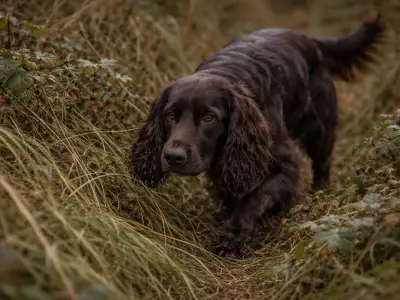
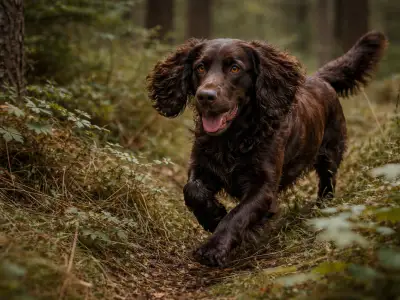
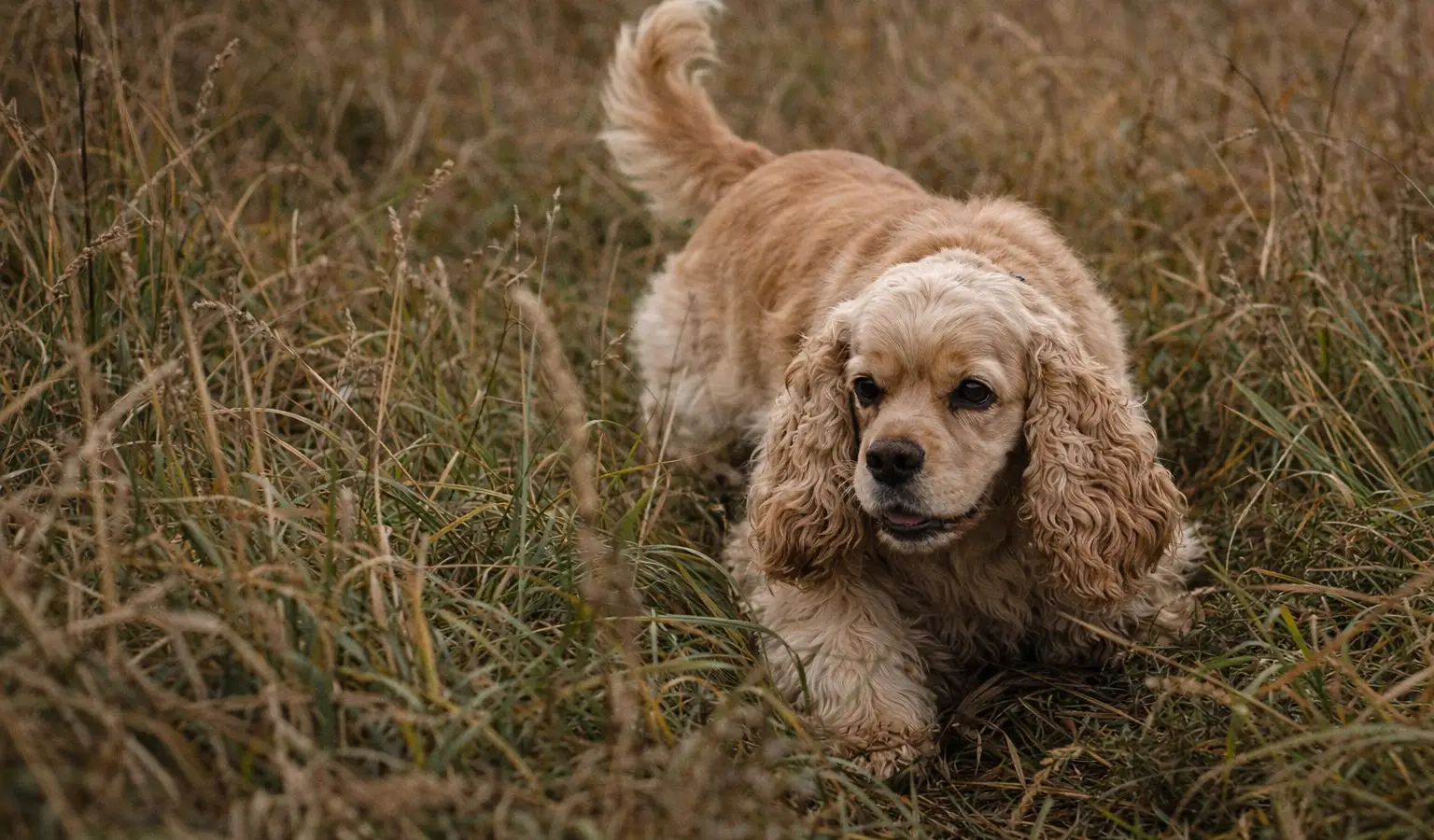
The American Cocker Spaniel is a former hunting dog that has become primarily a companion breed, appreciated for its elegant appearance and affectionate temperament. Smaller and rounder than the English Cocker, it is distinguished by its abundant coat and long ears. Cheerful, sociable and deeply attached to its family, it requires regular grooming, gentle training and moderate exercise to stay balanced.
Life expectancy
12 – 14 years
Price
1000 – 2000 €
Monthly budget
70 €
Size
Small
Profile
American Cocker Spaniel
Origin
United States
Year of origin
1900
Developed by
American breeders
Size
Small
Coat type
Long coat
Owner profile
Calm owner
Hypoallergenic
No
Litter size
5
Life expectancy
12 – 14 years
Price
1000 – 2000 €
Female
- Height : 34 – 36 cm
- Weight : 9 – 11 kg
Male
- Height : 36 – 39 cm
- Weight : 11 – 14 kg
Temperament & abilities
Affectionate
5/5
Calm
4/5
Independent
2/5
Intelligence
4/5
Obedience
4/5
Hunting instinct
3/5
Energy level
3/5
Good with children
4/5
Dog-friendly
4/5
Friendly with strangers
4/5
Hunting profile
Stamina
3/5
Hunting drive
3/5
Independence
3/5
Trainability
3/5
Beginner-friendly
3/5
Family compatibility
4/5
Feather game
4/5
Fur game
2/5
Underground work
2/5
Water work
0/5
These indicators help compare breeds and choose the right one for your hunting style.
Game & abilities
Estimated ability level by game type.
Budget
Purchase price
1000 – 2000 €
The price may vary depending on the breeder, bloodline, and region.
Average monthly cost
70 €
Estimated average: food, healthcare, accessories, and grooming.
What this small flushing spaniel does well, where it is limited, and who it suits best
Is the American Cocker Spaniel a Good Hunting Dog?
The American Cocker Spaniel can be a capable hunting dog, but it is usually best viewed as a light-duty flushing and close-working gun dog rather than a hard-driving all-day field specialist. In the right hands, with the right bloodline and training, it can show a useful nose, pleasant handling, a willing retrieve, and the kind of compact search pattern that suits tighter cover and shorter hunts. For hunters comparing breeds, the key point is that this is generally a smaller, softer, more companion-oriented spaniel than many purpose-bred field dogs.
Its strengths tend to be close range work, responsiveness, and an adaptable temperament. Many American Cocker Spaniels are easy to live with and naturally people-focused, which can make recall, cooperation, and everyday handling more straightforward than with more independent hunting breeds. In practical hunting terms, that often makes them most coherent for flushing game in moderate cover, informal shooting days, or mixed family-and-field homes where the dog must switch between companionship and occasional work. Their size can also help in dense cover, but it usually comes with less raw power and less stamina than larger spaniels or retrievers.
The limitations matter. If your priority is frequent, demanding hunting over rough terrain, cold wet conditions, or long days requiring relentless drive, an American Cocker Spaniel may not be the most logical first choice. Coat care can also be a real consideration in the field, especially where burrs, mud, and heavy vegetation are common. Working ability varies noticeably between lines, so anyone interested in American Cocker Spaniel hunting should look carefully at proven working temperament, trainability, and structure rather than assume every well-bred pet-type dog will have the same field instinct.
- Best fit: close flushing work, lighter hunting, and owners wanting a manageable companion with some hunting ability
- Key assets: cooperative handling, compact search pattern, useful nose, and often a cheerful, trainable temperament
- Main limits: less stamina, less ruggedness, and less specialist field consistency than stronger working-bred hunting dogs
For daily life, this balance is exactly why some people choose the breed. The American Cocker Spaniel often suits households that want a smaller sporting dog with moderate to moderately high energy, regular training needs, and a pleasant off-switch indoors when well exercised. It is a better match for someone who wants a family dog that can hunt than for someone seeking maximum field performance above all else.
Close-working flusher
The American Cocker Spaniel is generally at its best as a close-range flushing dog, working cover in front of the hunter rather than ranging far out. That style can be very practical in thick brush, hedgerows, and small fields where birds hold tight and the handler wants a dog that stays easy to monitor.
Quick nose in dense cover
A good American Cocker often shows a lively, efficient nose on upland scent, especially in tangled cover where birds may be hidden under bramble, grass, or woodland edges. It is not a substitute for every specialist gun dog, but in the right conditions its scenting work can be surprisingly useful and enjoyable to watch.
Compact, handy retrieve
Many American Cocker Spaniels can be taught to retrieve game neatly at short to moderate distances, making them practical for hunters who value a small, manageable dog. Their compact size helps them move through tight spaces and ride easily in the car, though retrieving consistency still depends heavily on training and individual drive.
Responsive to handling
One of the breed’s more attractive field qualities is often its willingness to work with people. With calm, consistent training, many American Cockers respond well to whistle, voice, and direction changes, which can make them pleasant for hunters who want a cooperative partner rather than a highly independent ranging dog.
Useful for lighter hunting days
This breed often suits hunters who prefer shorter outings, mixed family life, and modest-scale upland work rather than all-day, high-mileage field demands. In practical terms, the American Cocker Spaniel can fit well with owners who want a bird dog for occasional shoots, training sessions, and active weekends without managing a larger, harder-driving breed.
Bold in brambles
Despite its polished pet-dog image, a well-bred and motivated American Cocker may show real determination when asked to push into thorny or cluttered cover. That courage is especially valuable on pheasant or similar game that refuses to break cleanly, although coat care and field maintenance become more important after rough ground work.
Who the American Cocker Spaniel suits best
The American Cocker Spaniel tends to suit an owner who wants a compact, people-oriented dog with a cheerful temperament and enough drive for active days outdoors, but not the intensity of a hard-charging field specialist. For the right hunter, it can fit as a close-working flushing companion on shorter outings, especially where handling, cooperation, and a manageable size matter more than covering big ground. In family life, this breed often works best in a home that enjoys regular walks, play, training, and close daily contact rather than a mostly hands-off routine.
It is usually less suitable for hunters seeking a rugged all-day dog for heavy cover, harsh conditions, or consistently demanding field work, since the American Cocker is more often kept as a companion-bred spaniel than a serious working-line gun dog. It can also be a mismatch for households that want a highly independent dog, leave their dog alone for long stretches, or are not prepared for grooming and coat care. The best fit is often an active owner who values trainability, sociability, and a smaller flushing dog, while accepting that hunting ability can vary quite a bit by individual dog, breeding, and training.
How the American Cocker Spaniel developed, and why that history still shapes its temperament and working style
From English field spaniel to compact American companion hunter
The American Cocker Spaniel descends from the old cocker-type spaniels brought from Britain to North America, where breeders gradually selected for a somewhat smaller, more rounded dog than the English Cocker Spaniel. Early cockers were valued as flushing dogs, especially for woodcock and other close-working upland birds, and the name itself points to that traditional role. Over time, American breeders emphasized a distinct outline, abundant coat, and a softer expression, while still keeping the breed’s merry temperament, keen nose, and instinct to work within gun range.
By the early 20th century, the American type had become clearly different from its English relative, and the two breeds were eventually recognized separately. That split matters for anyone researching American Cocker Spaniel history, because it helps explain the breed seen today: generally more compact, often more companion-oriented in mainstream lines, and not always bred with the same field emphasis as the English Cocker. Even so, the breed’s spaniel heritage remains visible in many individuals through birdiness, enthusiasm in cover, and a natural tendency to quarter and flush at moderate distance.
This background also helps explain the American Cocker Spaniel’s present-day personality. Good representatives are often cheerful, people-focused, responsive, and easier to live with than many larger sporting breeds, but their development as both a show and companion dog means working ability can vary quite a bit by line. A field-bred or actively hunted American Cocker may show more drive, stamina, and confidence in brush, while dogs from primarily pet or show backgrounds may be less intense and may need more careful introduction to gunfire, game, and rough terrain.
For modern owners, that history points to a breed that can suit two overlapping worlds when chosen carefully:
- A pleasant small sporting dog for hunters who want a close-working flusher with manageable size and a cooperative attitude
- A lively family companion for people who enjoy training, walks, scent games, and regular interaction rather than a purely decorative pet
In daily life, the American Cocker Spaniel often carries traces of its original job in practical ways: curiosity in hedgerows, interest in scent, quick responses to movement, and a preference for doing things with its person. That makes the breed appealing for homes wanting an affectionate dog with some sporting character, but it also means coat care, gentle consistent training, and realistic expectations about working talent are important. If hunting use is a priority, choosing from proven field-minded stock is usually the safest approach.
From field spaniel to companion
The American Cocker Spaniel developed from older cocker-type spaniels brought from Britain, then gradually diverged in the United States. Over time, breeding placed more emphasis on compact size, abundant coat, and a polished outline, creating a dog that kept spaniel charm and sensitivity while becoming more distinct from the English Cocker Spaniel.
A flushing dog at heart
Historically, cocker spaniels were valued for flushing woodcock and other close-cover birds within gun range. The American Cocker Spaniel can still show that instinct, though modern lines vary widely. When hunting ability is present, the breed usually suits lighter flushing work, shorter outings, and handlers who want a small, responsive dog rather than a hard-driving field specialist.
Soft, merry, people-focused
A good American Cocker Spaniel is often described as cheerful, affectionate, and eager to stay close to its people. This breed tends to respond best to calm, consistent training rather than heavy pressure. That softer temperament can be a real advantage in family life, but it also means rough handling or chaotic routines may unsettle some individuals.
Best for moderate daily activity
This is not usually the right choice for someone wanting an all-day, high-endurance hunting dog, yet it is rarely a true couch breed either. Most American Cockers do well with regular walks, play, short training sessions, scent games, and occasional field exposure if they enjoy it. They often fit active households better than intensely driven sporting homes.
Coat care is part of ownership
The breed’s beautiful coat is one of its defining features, but it changes daily life in a practical way. Regular brushing, ear attention, and consistent grooming are usually part of responsible care. For owners who want a neat hunting-capable pet, coat management matters: a heavily furnished dog can collect burrs, dirt, and moisture more easily in thick cover.
Who this breed suits best
The American Cocker Spaniel often suits owners who want a smaller sporting breed with a friendly house temperament, manageable exercise needs, and strong attachment to family life. It may be a good match for casual hunters, first-time spaniel owners, or active families prepared for grooming. It is usually less suited to people seeking rugged, repetitive work in harsh conditions.
Practical answers about hunting ability, training, family life, exercise, and everyday suitability.
American Cocker Spaniel Hunting FAQ
Is the American Cocker Spaniel still a good hunting dog?
The American Cocker Spaniel comes from flushing spaniel stock, and some individuals still show useful bird sense, close working range, and enthusiasm in cover. In practice, it is more often kept as a companion than as a serious field dog, so hunting ability depends heavily on line, early exposure, and training. For upland hunting at short range, a well-bred and well-conditioned dog may be enjoyable, especially for hunters who like a compact spaniel that stays relatively close. For demanding, frequent field work, many hunters look first at stronger working-bred spaniels, but the American Cocker can still suit light hunting in the right hands.
What kind of hunting is an American Cocker Spaniel best suited for?
This breed is generally best matched to flushing work on smaller properties, lighter cover, and hunts where a close-working dog is an advantage. It may suit woodcock, quail, or similar upland bird hunting better than long, punishing days in rough terrain. Its smaller size can help in thick cover and around the house, but it also means less reach and often less stamina than larger sporting breeds. If you want a dog for occasional bird hunting and regular family life, the breed can make sense; if you need a hard-driving all-day field specialist, it may not be the easiest fit.
Are American Cocker Spaniels easy to train for hunting and obedience?
Many American Cockers are bright, people-oriented, and responsive when training is calm, consistent, and reward-based. They often learn household manners and basic obedience fairly well, but hunting training can vary more because drive, confidence, and steadiness are not equally strong in every dog. Sensitive handling usually works better than harsh correction, especially with a breed that can shut down under pressure. Short, frequent sessions, early recall work, bird introduction, and careful exposure to gunfire tend to give better results than rushing the process.
Can an American Cocker Spaniel be both a family dog and a hunting dog?
For some owners, that dual role is exactly where the breed makes the most sense. The American Cocker Spaniel is often affectionate, adaptable indoors, and easier to live with in the home than many higher-intensity sporting breeds, while still keeping enough spaniel character for casual field use. The balance works best when the dog gets regular exercise, clear rules, grooming, and some outlet for scenting and retrieving instincts. Families wanting a polished hunting partner first and a pet second may prefer a more field-focused breed, but families wanting a pleasant companion with some hunting potential may find this breed appealing.
How much exercise and daily work does an American Cocker Spaniel need?
Most American Cocker Spaniels need more than a brief walk, but usually less relentless exercise than many larger hunting breeds. A good routine often includes a brisk walk, play, recall practice, scent games, and a few short training sessions during the week. Dogs with stronger working drive may need more structured activity, while softer companion lines may be satisfied with moderate daily exercise if they are mentally engaged. Without enough activity and guidance, some individuals can become noisy, clingy, or difficult to manage indoors.
Is the American Cocker Spaniel a good choice for apartment living or first-time owners?
It can be a reasonable choice for an apartment or smaller home if the owner is committed to daily exercise, regular grooming, and basic training. Size is an advantage, but coat care, emotional sensitivity, and the need for consistent routines should not be underestimated. First-time owners often do well when they want an affectionate dog and are willing to learn about spaniel behavior, recall, handling, and maintenance. It is less suitable for someone who wants a very low-maintenance dog or expects hunting ability to appear without deliberate training and exposure.
Who is the American Cocker Spaniel really best for?
This breed tends to suit people who want a friendly, compact sporting companion with manageable size and a generally sociable nature. It often fits best with owners who value closeness, enjoy training in a patient way, and like the idea of a dog that can join family life, walks, light outdoor sport, and possibly occasional hunting. It may be less ideal for very serious upland hunters, highly hands-off owners, or people unwilling to keep up with coat care and routine maintenance. Choosing the right breeder and being honest about your hunting goals matter at least as much as liking the breed's appearance.