Flat-Coated Retriever
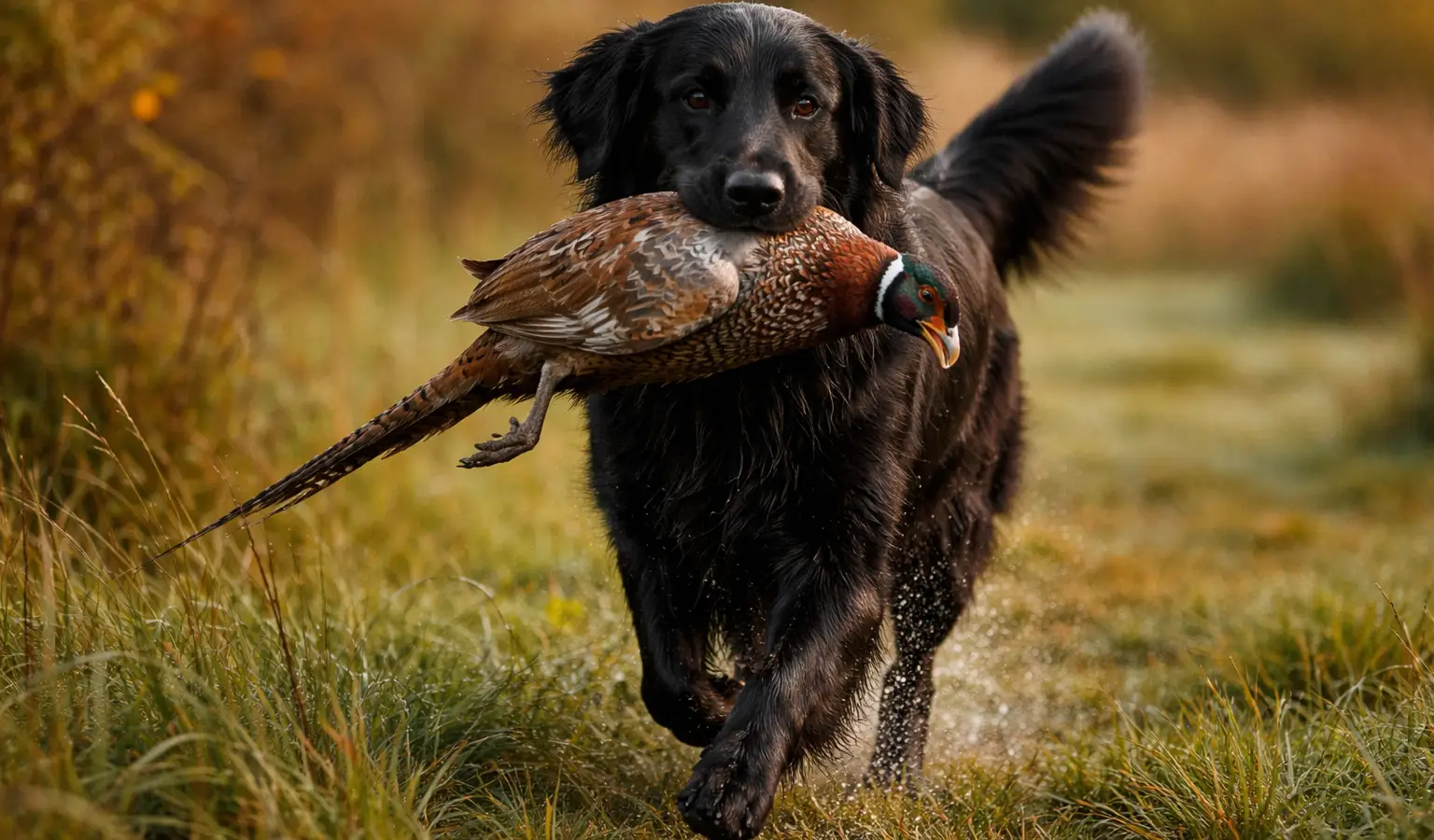
The Flat-Coated Retriever is an elegant and energetic retrieving dog, easily recognised by its long, flat coat and cheerful expression. Bred for game retrieving both on land and in water, it stands out for its endurance, enthusiasm and excellent nose. Extremely sociable, playful and optimistic, it matures slowly and requires patient training along with regular physical activity.
Life expectancy
10 – 12 years
Price
1000 – 2000 €
Monthly budget
85 €
Size
Large
Profile
Flat-Coated Retriever
Origin
United Kingdom
Year of origin
1850
Developed by
British breeders
Size
Large
Coat type
Long coat
Owner profile
Active owner
Hypoallergenic
No
Litter size
7
Life expectancy
10 – 12 years
Price
1000 – 2000 €
Female
- Height : 56 – 59 cm
- Weight : 25 – 32 kg
Male
- Height : 59 – 62 cm
- Weight : 27 – 36 kg
Temperament & abilities
Affectionate
5/5
Calm
2/5
Independent
2/5
Intelligence
4/5
Obedience
4/5
Hunting instinct
4/5
Energy level
5/5
Good with children
5/5
Dog-friendly
5/5
Friendly with strangers
5/5
Hunting profile
Stamina
5/5
Hunting drive
4/5
Independence
3/5
Trainability
4/5
Beginner-friendly
4/5
Family compatibility
5/5
Feather game
4/5
Fur game
2/5
Underground work
0/5
Water work
4/5
These indicators help compare breeds and choose the right one for your hunting style.
Game & abilities
Estimated ability level by game type.
Budget
Purchase price
1000 – 2000 €
The price may vary depending on the breeder, bloodline, and region.
Average monthly cost
85 €
Estimated average: food, healthcare, accessories, and grooming.
A lively retriever with real field ability, but best suited to handlers who want enthusiasm, trainability, and an active dog at home.
Is the Flat-Coated Retriever a good hunting dog?
The Flat-Coated Retriever can be a very good hunting dog for the right person, especially for game retrieval and versatile shooting-day work. In the field, this breed is typically valued for its eagerness to retrieve, soft mouth, willingness to work with people, and upbeat temperament. A good Flat-Coat often combines drive, stamina, and a cheerful biddability, which can make it effective on feathered game in varied cover. It is usually less about extreme specialist intensity and more about useful, cooperative all-round work.
Its hunting style tends to suit handlers who appreciate an energetic retriever with a natural desire to carry game back and stay engaged. Many Flat-Coated Retrievers work with an animated attitude, covering ground willingly and using nose and eyes together in a practical search pattern. They can handle rough cover, wet ground, and typical retriever terrain well, provided conditioning and training are there. The breed often shows good courage and persistence, but individuals vary, and some lines may be more field-oriented than others.
Training matters with this breed. The Flat-Coated Retriever is generally trainable and responsive, but its enthusiasm can spill over into overexcitement if basics are rushed. Recall, steadiness, delivery to hand, and impulse control usually need careful, consistent work from an early stage. Heavy-handed handling is rarely the best route; this breed often responds better to clear structure, repetition, and a positive but demanding approach. For hunters who want a stylish, cooperative dog and who enjoy training as part of the hobby, that can be a real advantage. For someone wanting a naturally calm, low-maintenance field dog, it may feel like more dog to manage.
As a practical choice, the Flat-Coat makes most sense for people who want one dog that can retrieve game, live closely with the family, and stay active outside the season. It is often a coherent option for walked-up shooting, rough shooting, and general retrieving duties rather than highly specialized competition work alone.
- Strengths: willing retrieve, sociable temperament, stamina, trainability, and useful versatility
- Demands: high energy level, need for regular training, and a handler who can channel enthusiasm into control
- Best fit: active hunters or outdoorsy families wanting a genuine working retriever that is also a lively companion at home
In everyday life, that balance is important. A Flat-Coated Retriever is usually not happiest as a purely decorative pet with occasional exercise. It tends to do best where there is meaningful activity, regular handling, and enough space and time to use its brain and body. For the right owner, that combination of hunting ability and affectionate temperament is exactly the appeal.
Soft, reliable retrieve
The Flat-Coated Retriever is valued for carrying game gently and willingly, which is a core advantage for hunters who want a practical gundog rather than a hard-mouthed dog. In the field, many individuals show a natural desire to pick up and deliver to hand, especially when training is calm, consistent, and started early.
Strong marking ability
A good Flat-Coat often excels at watching the fall and remembering where birds land, making it useful on walked-up days and mixed shooting situations. This marking skill can reduce unnecessary handling and help the dog work efficiently, although precision still depends heavily on the individual dog, steadiness, and regular field practice.
All-day field stamina
This is typically an energetic retriever with the engine for long hunting days, repeated retrieves, and active ground coverage. That stamina suits handlers who want a dog that stays enthusiastic deep into the day, but it also means the breed usually needs serious exercise, structured training, and enough mental work to remain settled at home.
Versatile land-and-water worker
The Flat-Coated Retriever is generally most at home as a versatile shooting companion, able to work on rough ground, in cover, and in water. For hunters who divide time between upland birds, rough shooting, and retrieves from ponds or marsh edges, that adaptability can be one of the breed’s most practical strengths.
Responsive to gentle handling
Flat-Coats are often at their best with positive, clear handling rather than overly hard correction. Many are keen to work with their person and can become polished, enjoyable hunting dogs when training balances enthusiasm with steadiness. This makes the breed appealing to handlers who want cooperation, style, and a dog that remains cheerful under instruction.
Enthusiastic hunting drive
One of the breed’s standout qualities is its evident joy in the job. That animation can be a real asset in cold weather, thick cover, or long sessions when some dogs begin to fade. The trade-off is that excitement management matters: without patient training, eagerness can spill into noise, creeping, or untidy steadiness around the line.
Who the Flat-Coated Retriever suits best
The Flat-Coated Retriever tends to suit an owner who wants a genuine gundog first and a lively family companion second, not a low-maintenance pet with occasional exercise. This breed often fits hunters who enjoy walked-up shooting, rough shooting, picking-up, or mixed shooting days where a dog must mark falls, carry game gently, and stay enthusiastic in the field. Many do best with people who like training, regular outdoor life, and a dog that stays mentally engaged. In daily life, that usually means a home ready for steady exercise, retrieving games, and close involvement rather than a dog left to entertain itself.
Less suitable profiles include very sedentary households, owners who want a naturally calm and reserved dog, or handlers who dislike youthful exuberance. Flat-Coats are often affectionate, playful, and eager, but that same spark can become difficult if training is inconsistent or if the dog gets too little work. They may be a weaker match for someone wanting a highly independent hunter or a quiet apartment companion. The best fit is usually an active, patient owner who appreciates a cheerful retriever with working ability, trainability, and a need to be included in everyday life.
How a versatile British gundog became the energetic, optimistic retriever people know today
Origin and development of the Flat-Coated Retriever
The Flat-Coated Retriever was developed in Britain during the nineteenth century as a practical shooting companion, bred to mark fallen game, retrieve efficiently on land and from water, and work with initiative without becoming difficult to handle. Most historians trace the breed to a mix of retriever-type dogs, likely including the now-extinct St. John’s water dog and various setters, spaniels, and collie-influenced working dogs, though the exact recipe is not fully documented. What is clear is the goal: a stylish, biddable, athletic retriever for the growing world of organized shooting and wildfowling.
Early breeders selected for a dog that could cover ground freely, carry game softly, and remain keen through a full day in the field. The flat-lying coat was part of that package, offering weather protection without the dense curl seen in some other retrievers. Compared with heavier, more settled retriever breeds that became popular later, the Flat-Coated Retriever kept a somewhat lighter, racier outline and an especially animated working attitude. That history helps explain the modern breed’s hallmark traits: enthusiasm, sociability, sensitivity to handling, and a tendency to stay mentally youthful for longer than some owners expect.
In practical terms, the breed’s background still shows in daily life. Many Flat-Coats are highly people-oriented and eager to learn, but they are rarely a low-maintenance choice. They often do best with regular training, active outdoor routines, and owners who enjoy channeling energy rather than merely containing it. For hunting, they can suit the person who wants a cheerful, responsive retriever for walked-up shooting, rough work, mixed terrain, and general gundog companionship, especially where partnership and style matter as much as pure steadiness. Individual dogs, bloodlines, and training make a real difference, so not every Flat-Coated Retriever will mature or work at the same pace.
The breed’s popularity declined when Labradors and Golden Retrievers rose to dominance, but dedicated fanciers preserved it as both a working gundog and a distinctive family dog. That continuity matters for today’s buyer: the Flat-Coated Retriever is not just a pretty black or liver retriever with a happy expression. At its best, it is a purpose-bred sporting dog with real retrieving instinct, strong social drive, and a need for meaningful activity. For the right owner or hunter, that heritage can be a major strength; for someone wanting a very calm, early-maturing, undemanding dog, it may be a poor fit.
British game-retrieving roots
The Flat-Coated Retriever developed in Britain during the nineteenth century as a versatile shooting companion. Breeders appear to have combined retriever-type dogs with setters and water dogs to produce a stylish, efficient gundog able to mark, carry, and return game over varied ground. That background still helps explain the breed’s athletic outline, soft mouth, and enthusiasm for field work.
Bred for drive and biddability
This breed was shaped to work closely with people rather than independently at long distance. A good Flat-Coated Retriever often shows strong retrieving instinct, willingness to range out and come back in, and a cheerful response to training. For hunters, that usually means a dog that can be enjoyable to handle, though maturity and steadiness may take time compared with some more serious-tempered gundogs.
The famously upbeat temperament
Flat-Coated Retrievers are often described as lively, outgoing, and slow to lose their puppyish spirit. That sunny temperament can make them very appealing in family life, but it also means they are rarely a low-key breed. They tend to do best with owners who enjoy interaction, training, and outdoor activity, and who can channel excitement into reliable manners rather than expecting calm to appear on its own.
A retriever that needs real exercise
Daily life with a Flat-Coated Retriever usually works best when exercise goes beyond a brief walk. Most individuals need room to move, regular retrieving games or training, and meaningful mental engagement. Without enough outlets, some can become overexcited, boisterous, or difficult to settle indoors. This is often a better fit for active homes, country living, or owners committed to structured activity every day.
Feathered coat, practical upkeep
The coat is elegant but not purely decorative. It was developed to protect a working retriever in rough cover and wet conditions, though coat volume and texture can vary by line. Regular brushing is usually needed to manage feathering on the ears, legs, chest, and tail, and active dogs may bring in mud and debris after field days. Care is manageable, but it is not a wash-and-wear breed.
Best for engaged owners and hunters
This breed often suits people who want one dog for both active companionship and retriever work. In the field, the Flat-Coated Retriever can appeal to handlers who value style, enthusiasm, and a cooperative nature. At home, the same dog usually needs time, training, and inclusion in daily life. It may be less suitable for owners wanting a highly independent hunting dog or a naturally quiet household companion.
Practical answers on hunting ability, training, family life, exercise, housing, and owner fit
Flat-Coated Retriever hunting FAQ
Is the Flat-Coated Retriever a good hunting dog for beginners?
The Flat-Coated Retriever can be a good choice for a beginner who wants a cheerful, biddable gundog and is ready to train consistently. The breed is generally known for enthusiasm, willingness to retrieve, and a softer, more cooperative style than some harder-driving hunting dogs. That said, many Flat-Coats mature slowly in behavior, so a young dog may feel playful and distractible before becoming fully reliable in the field. A beginner usually does best with clear structure, regular exposure to birds, water, and gunfire done properly, and ideally guidance from an experienced retriever trainer or hunting club.
What kind of hunting is a Flat-Coated Retriever best suited for?
Flat-Coated Retrievers are most closely associated with retrieving work on upland game and waterfowl, especially where marking ability, persistence, and a happy attitude matter. Many do well in mixed hunting homes that want one dog for both family life and practical bird work rather than a highly specialized trial-type retriever. They often shine when asked to find and bring back downed birds from land or light cover, and many enjoy water naturally. Individual dogs vary, so suitability for cold, heavy water conditions, dense marsh work, or very demanding all-day hunting depends on conditioning, coat, training, and breeding.
Are Flat-Coated Retrievers easy to train for retrieving and obedience?
They are often quite trainable, but they usually respond best to upbeat, fair handling rather than overly harsh pressure. Many Flat-Coats learn quickly because they enjoy interaction and repetition when it stays engaging, but their playful temperament can make steadiness and impulse control a real part of the job. Early work on recall, delivery to hand, place training, and calm waiting pays off later in both hunting and home life. Short, frequent sessions tend to work better than drilling, especially during adolescence when enthusiasm can exceed self-control.
Can a Flat-Coated Retriever live as both a family dog and a hunting dog?
For many households, that dual role is exactly where the breed makes sense. A well-bred, well-exercised Flat-Coated Retriever is often affectionate, social, and engaged with family life, while still keeping enough drive and desire to be useful in the field. The main challenge is not whether the breed can do both, but whether the owner can provide enough structure, exercise, and training so the dog does not become unruly or under-stimulated. Homes that enjoy active weekends, outdoor time, and regular practice usually manage the balance much better than very sedentary households.
How much exercise does a Flat-Coated Retriever need if it is not hunted every week?
This is usually an active, athletic breed that needs more than a brief walk around the block. On non-hunting weeks, most Flat-Coats benefit from a mix of physical exercise and mentally engaging work such as retrieves, scent games, obedience, swimming, or structured off-lead running where safe and legal. Many adults do best with substantial daily activity, not just occasional bursts on weekends. Without enough outlet, some dogs may become noisy, overly excitable, or inventive in ways owners do not appreciate, so regular routine matters.
Is a Flat-Coated Retriever suitable for apartment living or a small home?
A Flat-Coated Retriever can live in a smaller home if the owner is genuinely committed to daily exercise, training, and calm indoor habits, but the breed is usually easier to manage with more space and easy outdoor access. The key issue is not square footage alone; it is whether the dog has enough chances to move, retrieve, and settle afterward. Young Flat-Coats in particular can be exuberant and physically expressive, which may feel like a lot in tight living quarters. Apartment life is usually more realistic for experienced, organized owners than for people wanting a naturally low-maintenance dog.
Who is the Flat-Coated Retriever best for, and who may find the breed difficult?
This breed often suits active owners who want one dog that can join family life, training sessions, hikes, and at least some real hunting or gundog-style work. It tends to appeal to people who enjoy a lively, social temperament and do not mind investing time in manners, steadiness, and continued engagement well past puppyhood. It may be less suitable for owners wanting an easy first dog with low exercise needs, very sharp off-switches, or minimal training demands. Hunters seeking a practical, versatile companion often appreciate the Flat-Coat, while those wanting a highly intense specialist may prefer a more purpose-bred field line in another retriever breed.