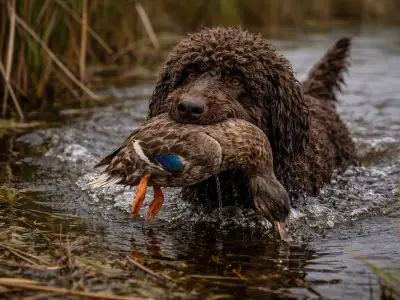
American Water Spaniel
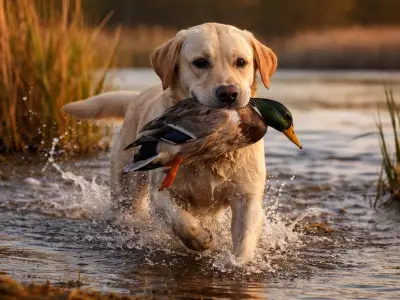
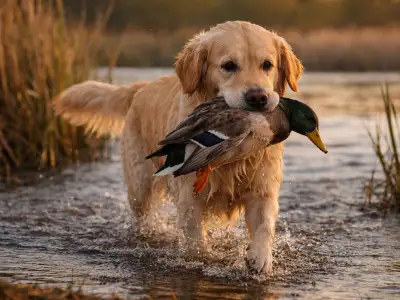
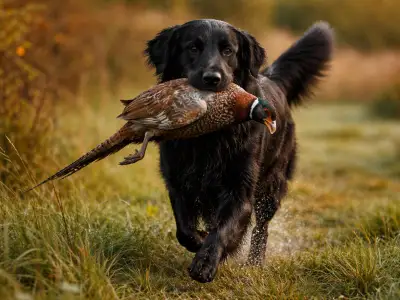
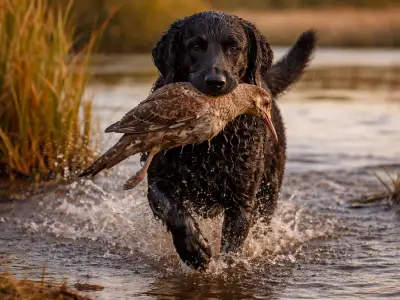
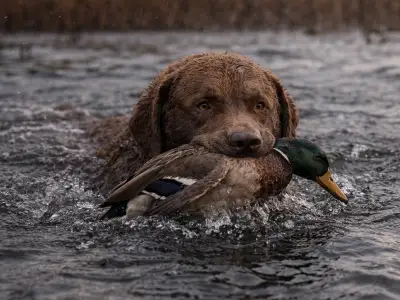
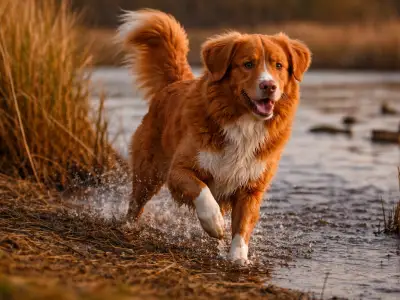
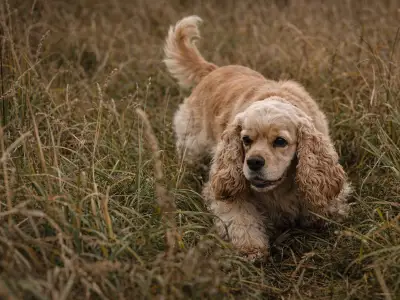
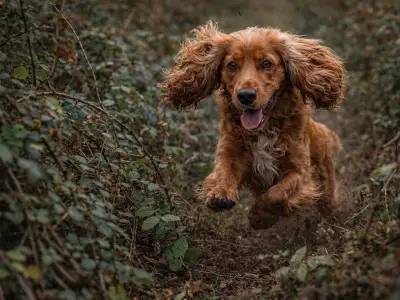
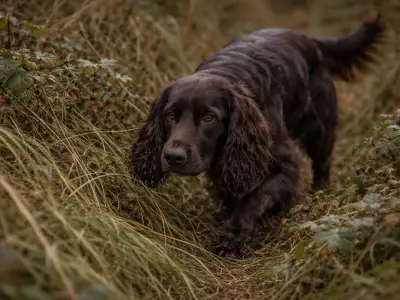
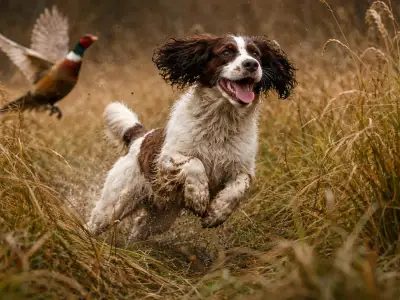
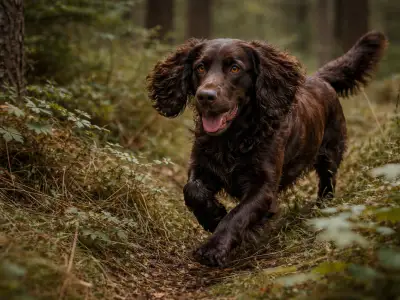
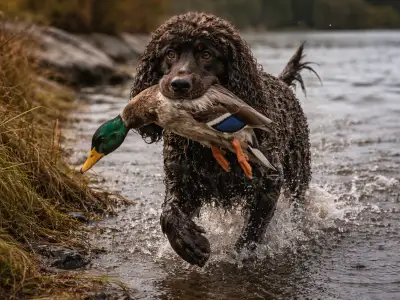
The American Water Spaniel is a versatile and hardy hunting dog developed in the United States for waterfowl retrieving and work in wetlands. Medium-sized with a curly, water-resistant coat, it stands out for its excellent nose, strong swimming ability and adaptability. Intelligent, energetic and closely bonded to its owner, it requires regular exercise and consistent training.
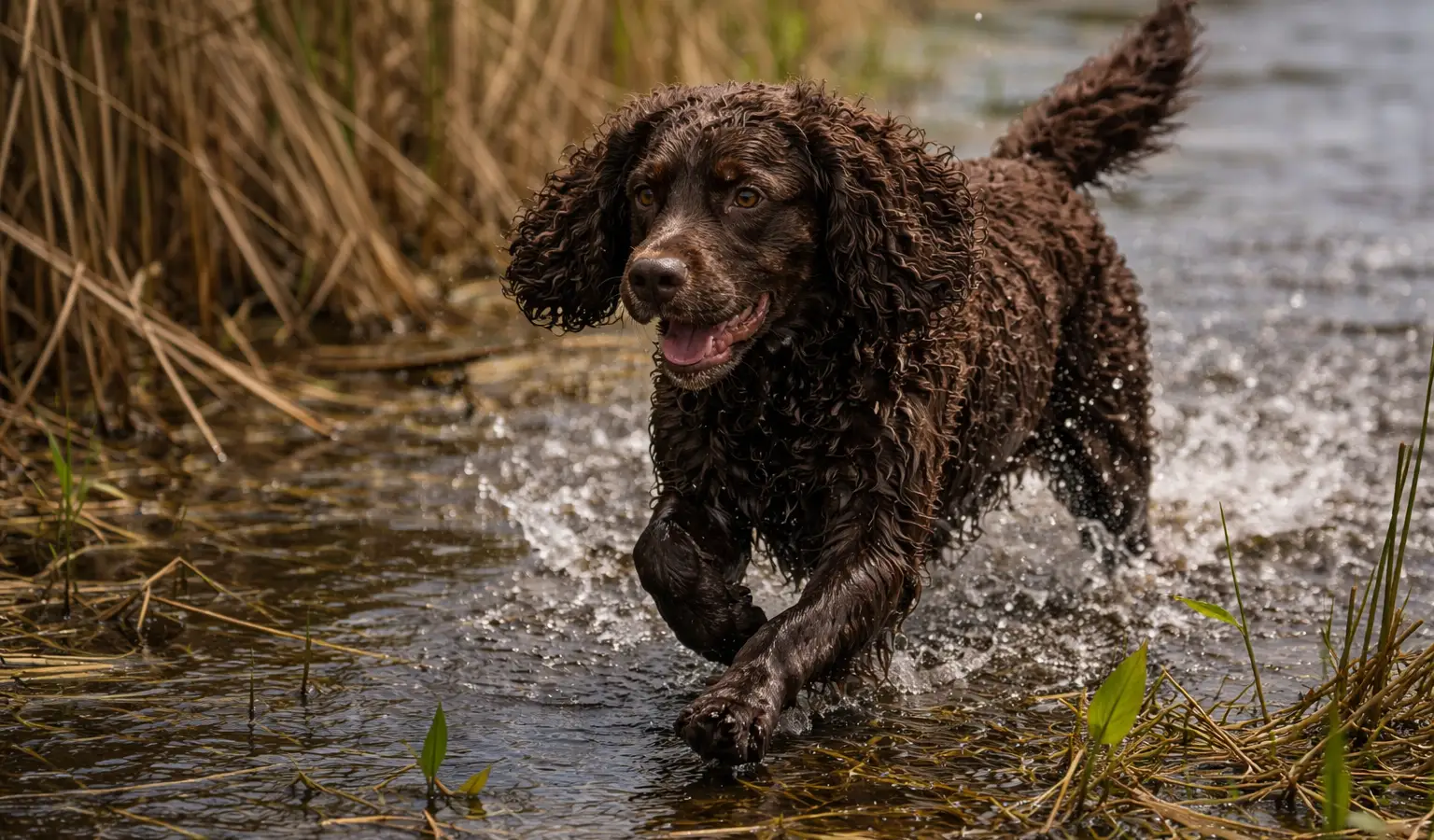
Life expectancy
12 – 14 years
Price
1200 – 2200 €
Monthly budget
70 €
Size
Medium
Profile
American Water Spaniel
Origin
United States
Year of origin
1800
Developed by
American hunters (Wisconsin region)
Size
Medium
Coat type
Curly coat
Owner profile
Active owner
Hypoallergenic
No
Litter size
6
Life expectancy
12 – 14 years
Price
1200 – 2200 €
Female
- Height : 36 – 43 cm
- Weight : 11 – 16 kg
Male
- Height : 38 – 46 cm
- Weight : 14 – 20 kg
Temperament & abilities
Affectionate
4/5
Calm
3/5
Independent
3/5
Intelligence
4/5
Obedience
4/5
Hunting instinct
5/5
Energy level
4/5
Good with children
4/5
Dog-friendly
3/5
Friendly with strangers
3/5
Hunting profile
Stamina
4/5
Hunting drive
4/5
Independence
3/5
Trainability
3/5
Beginner-friendly
3/5
Family compatibility
4/5
Feather game
4/5
Fur game
0/5
Underground work
0/5
Water work
5/5
These indicators help compare breeds and choose the right one for your hunting style.
Game & abilities
Estimated ability level by game type.
Budget
Purchase price
1200 – 2200 €
The price may vary depending on the breeder, bloodline, and region.
Average monthly cost
70 €
Estimated average: food, healthcare, accessories, and grooming.
A compact, versatile gun dog best suited to practical hunters who want field ability and a manageable home companion
American Water Spaniel as a Hunting Dog
The American Water Spaniel can be a very good hunting dog for the right person, especially if you want one compact dog that can flush, retrieve, and work both upland cover and water. It was developed as a practical hunting companion, and many individuals show a useful mix of nose, willingness to retrieve, courage in cover, and enough stamina for a real day afield. Rather than a hard-driving specialist built for extreme scale or speed, the breed usually makes the most sense for hunters who value versatility, close-to-medium range work, and a dog that can also live comfortably as part of everyday family life.
In the field, the American Water Spaniel often works with an energetic but fairly handler-aware style. Many have a good natural search pattern in moderate cover, will push into brush with determination, and are willing to enter cold or rough water when properly conditioned and trained. Their size can be an advantage in small boats, tight cover, and mixed hunting situations where a large retriever may feel like more dog than you need. At the same time, this is not always the breed for someone seeking the biggest water blind retrieves, the widest ranging upland pattern, or the relentless intensity seen in some highly specialized field-bred dogs.
Training matters with this breed. American Water Spaniels are often intelligent and trainable, but they can also be sensitive, a little independent, or quick to notice inconsistent handling. They usually respond best to calm repetition, clear standards, strong recall work, and regular exposure to birds, water, boats, gunfire, and varied terrain. Heavy-handed training can dull initiative or create friction, while too little structure may leave you with a dog that is enthusiastic but not especially polished. For many owners, the sweet spot is steady, thoughtful training that builds cooperation without taking away drive.
- Best use cases: mixed upland and waterfowl hunting, smaller-scale hunting days, and hunters who want one adaptable gun dog rather than multiple specialists
- Key strengths: versatility, retrieve instinct, manageable size, useful stamina, and a practical working temperament
- Main demands: regular exercise, ongoing training, consistent handling, and enough field work to keep the dog mentally engaged
- Potential limitations: variation between lines, less specialization for extreme retrieves or very high-volume competitive work, and a need for careful socialization and handling
As a daily companion, the American Water Spaniel often offers an appealing balance: active and ready to work outdoors, but generally easier to fit into normal home life than some larger or more intense hunting breeds. That does not make it a low-effort dog. Without enough activity, training, and purpose, it may become noisy, restless, or self-directed. For the hunter who wants a genuine American Water Spaniel hunting partner with real field ability and a family-compatible temperament, it can be a coherent and rewarding choice.
Strong water retrieves
The American Water Spaniel is best known for practical work around water. Its dense, protective coat and natural comfort in wet, chilly conditions often make it a capable duck dog for small boats, marsh edges, and river cover. Many individuals show a willing retrieve and a determined attitude on fallen birds, especially when that drive is developed early and kept consistent.
Useful close-range flusher
Unlike wider-ranging gun dogs, this breed often suits hunters who want a dog working within comfortable shotgun distance. That closer pattern can be a real advantage in thick cover, wooded edges, and tight upland situations where staying connected to the handler matters as much as finding birds. For hunters who prefer control over big casts, that is a very practical strength.
Versatile mixed-bag worker
One of the breed’s biggest hunting strengths is versatility. An American Water Spaniel may handle flushing duties, mark downed game, and retrieve from both land and water in the same outing. That all-around usefulness appeals to hunters who pursue different species through the season and want one adaptable dog rather than a more narrowly specialized field companion.
Compact dog for tough cover
Its moderate size is more than a lifestyle benefit; it can also help in the field. A compact American Water Spaniel often moves efficiently through brush, cattails, creek banks, and tangled shoreline cover without the bulk of a larger retriever. That build can make the breed easier to handle in a blind, small craft, or vehicle while still giving solid working ability.
Steady stamina over flash
This is generally a breed valued for sustained effort rather than extreme speed or dramatic range. Many American Water Spaniels work with a persistent, businesslike style that suits long mornings of walking cover or repeated retrieves during a practical hunt. For owners who value consistency, recoverability, and day-to-day usefulness, that kind of stamina can be more valuable than showy field theatrics.
Responsive with patient handling
The breed often responds best to calm, consistent training and a handler who stays engaged. When the relationship is good, that cooperation can translate into tidy close work, honest retrieves, and a dog that checks in naturally. It is usually a better fit for someone who wants a trainable hunting partner with sensitivity and brains, not a hard, highly pressured style of field dog.
Who the American Water Spaniel suits best
The American Water Spaniel tends to suit the hunter or active owner who wants one versatile, close-working dog for real life rather than a highly specialized field competitor. It often fits people who enjoy upland hunting and waterfowl in modest cover, smaller boats, marsh edges, or mixed Midwestern-style terrain, and who also want a companion that can settle in the house after exercise. This breed usually does best with owners who like hands-on training, regular retrieving games, and a dog that works within reasonable range instead of disappearing over the horizon.
It is usually less suitable for households wanting a very low-maintenance dog, a purely ornamental pet, or an owner who expects instant polish without steady practice. Some American Water Spaniels can be sensitive, vocal, or a little reserved, so they often respond better to calm consistency than hard handling. Common mismatches include sedentary homes, very long days alone, and hunters who want extreme speed, wide range, or the intense drive often seen in more field-bred retrievers or pointing breeds. For the right person, though, the appeal is clear: manageable size, useful hunting ability, and a companionable dog that can share both the blind and the sofa.
How a practical Midwestern hunting dog became the breed seen today
Origins of the American Water Spaniel
The American Water Spaniel is generally understood to have been developed in the upper Midwest, especially Wisconsin, during the 19th century as a compact, versatile gun dog for hunters working rivers, marshes, and small boats. Precise records from its earliest development are limited, so some details of its ancestry remain uncertain, but the breed was likely shaped from several spaniel- and retriever-type dogs selected for one practical purpose: a dog small enough to travel easily, tough enough for cold water, and skilled enough to flush and retrieve game birds in difficult cover.
That origin helps explain much of the breed’s modern character. The American Water Spaniel was not bred as a highly specialized field-trial dog or a purely ornamental companion. It was valued as an all-around hunting partner that could work close to the gun, handle rough weather, and adapt to different types of upland and waterfowl hunting. Today, many individuals still show that combination of stamina, willingness, and sensible working range, along with an alert, busy temperament that usually benefits from regular activity and clear structure at home.
Its development as a regional hunter’s dog also helps explain both its strengths and its limits. In the field, the breed is often appreciated for determination, nose, and a practical style that suits hunters who want a manageable dog rather than an extreme, hard-driving specialist. In daily life, that can translate into a companion that is engaged and trainable, but not always effortless for a low-activity household. Early socialization and steady training often matter, because a breed shaped to work closely with its person may also be sensitive, vocal, or somewhat reserved depending on the individual dog and bloodline.
For modern owners, the history of the American Water Spaniel is more than background information; it is a useful guide to fit. This breed tends to make the most sense for people who value a smaller sporting dog with real hunting roots, especially those who enjoy retrieving, flushing work, or active outdoor routines. Families can do well with one, but usually best when they understand that this is a purpose-bred working spaniel at heart, not simply a curly-coated pet. Its past still shows in the way it moves, learns, and wants to be involved.
Midwestern hunting roots
The American Water Spaniel is generally linked to the upper Midwest, especially Wisconsin, where hunters wanted one compact dog that could work from small boats, flush game, and retrieve from cold water. Its development appears to have favored versatility over specialization, which still shapes the breed’s practical, adaptable character today.
Bred to do several jobs
Unlike highly specialized gundogs, this breed was selected to cover a lot of ground in one package. An American Water Spaniel may quarter for birds, push game from cover, and retrieve cleanly on land or water. That all-around design makes it attractive to hunters who value a handy, cooperative dog more than extreme speed or range.
Soft but serious temperament
In daily life, the breed often combines affectionate family manners with a focused working side outdoors. Many American Water Spaniels bond closely with their people and respond best to steady, fair handling rather than heavy pressure. They can be sensitive, alert, and a little reserved with strangers, so early social exposure usually matters.
Best for active households
This is not usually a low-maintenance companion for sedentary homes. Most individuals need regular exercise, training, and some kind of job-like outlet to stay settled. A home that offers field work, retrieving games, hiking, or structured activity tends to suit the breed better than one expecting the dog to relax all day with little engagement.
Coat and upkeep
The curly to wavy coat helps the breed in rough weather and water, but it also means grooming should not be ignored. Routine brushing helps control dead hair and keeps the coat from becoming untidy, especially around active hunting periods. Owners should also pay attention to ears, drying after wet outings, and general field-condition cleanliness.
A close-working gun dog
For many hunters, the appeal lies in the breed’s manageable size and relatively close working style. The American Water Spaniel often suits people who want a dog that stays in touch, hunts within gun range, and transitions easily from marsh or river work to life at home. It may be less ideal for owners seeking a very hard-driving, wide-ranging field dog.
Practical answers on hunting ability, trainability, exercise, housing, and everyday life
American Water Spaniel hunting and family FAQ
Is the American Water Spaniel a good hunting dog for beginners?
The American Water Spaniel can be a good hunting dog for a beginner who wants one versatile companion rather than a highly specialized field competitor. It was developed as a compact flushing and retrieving dog, so many individuals show useful instincts for upland birds and waterfowl. That said, beginners usually do best when they choose carefully, work with a breeder who understands hunting homes, and follow a structured training plan. The breed often responds best to calm, consistent handling rather than heavy pressure, so patient first-time handlers tend to do better than people who expect instant polish.
What kind of hunting is an American Water Spaniel best suited for?
This breed is generally best suited to close-to-medium range work where a handy, manageable dog is an advantage. Many American Water Spaniels are appreciated for flushing upland birds, retrieving downed game, and working around marshes, small boats, and tighter cover where a larger retriever may be less convenient. In practical hunting terms, they often fit the hunter who values adaptability and cooperation over extreme speed or wide-ranging patterns. For someone wanting one dog for mixed hunting days, the breed can be a very sensible choice.
Are American Water Spaniels easy to train for hunting and obedience?
They are usually trainable, but not in a one-size-fits-all way. Many learn well with short, clear sessions, repetition, and fair corrections, while overly harsh handling may make some dogs shut down or become resistant. Early work on recall, steadiness, delivery, and comfort around birds and water matters more than trying to rush advanced drills. Owners who enjoy building a working partnership often get better results than those looking for a dog that trains itself.
Can an American Water Spaniel live as both a family dog and a hunting dog?
For many homes, that dual role is one of the breed's biggest strengths. A well-bred, well-exercised American Water Spaniel can often switch from active field work to being an affectionate house companion, provided it gets enough structure and mental engagement. Many are closely bonded to their people and prefer being included in daily life rather than kenneled with little interaction. As with any sporting breed, family success depends on training, routine, and meeting the dog's exercise needs instead of assuming hunting season alone will be enough.
How much exercise does an American Water Spaniel need when it is not hunting?
This is not usually a breed that stays content with a short walk around the block. Most need daily physical exercise plus some form of training, retrieving game, scent work, or problem-solving to stay settled at home. A good routine might include brisk walks, off-lead running in safe areas, retrieves, and regular obedience or field practice through the week. If those needs are ignored, some dogs may become noisy, restless, or invent their own entertainment indoors.
Is the American Water Spaniel good for apartment living or a small home?
It can work in a smaller home, but usually only if the owner is committed to giving the dog substantial daily activity outside the home. The breed's medium size helps, yet its energy, working instincts, and need for engagement make it a poor match for a sedentary household. A house with a yard is convenient, but a yard by itself does not replace training, walks, and purposeful exercise. In apartments, success typically depends less on square footage and more on whether the owner truly lives an active, hands-on lifestyle.
Who is the American Water Spaniel the best fit for, and who should think twice?
This breed often suits hunters who want a compact, versatile gundog and families who like an active dog involved in everyday routines. It can also fit owners who enjoy training and want a responsive sporting breed without the size of a larger retriever. People should think twice if they want a very low-maintenance pet, have little time for exercise, or prefer a highly independent dog that asks for less interaction. In the right home, the American Water Spaniel can be a rewarding partner, but it tends to do best with owners who value both its working ability and its need for close human connection.